
NASA's Orbiter Unveils Rare Lunar Crater in Stunning Detail
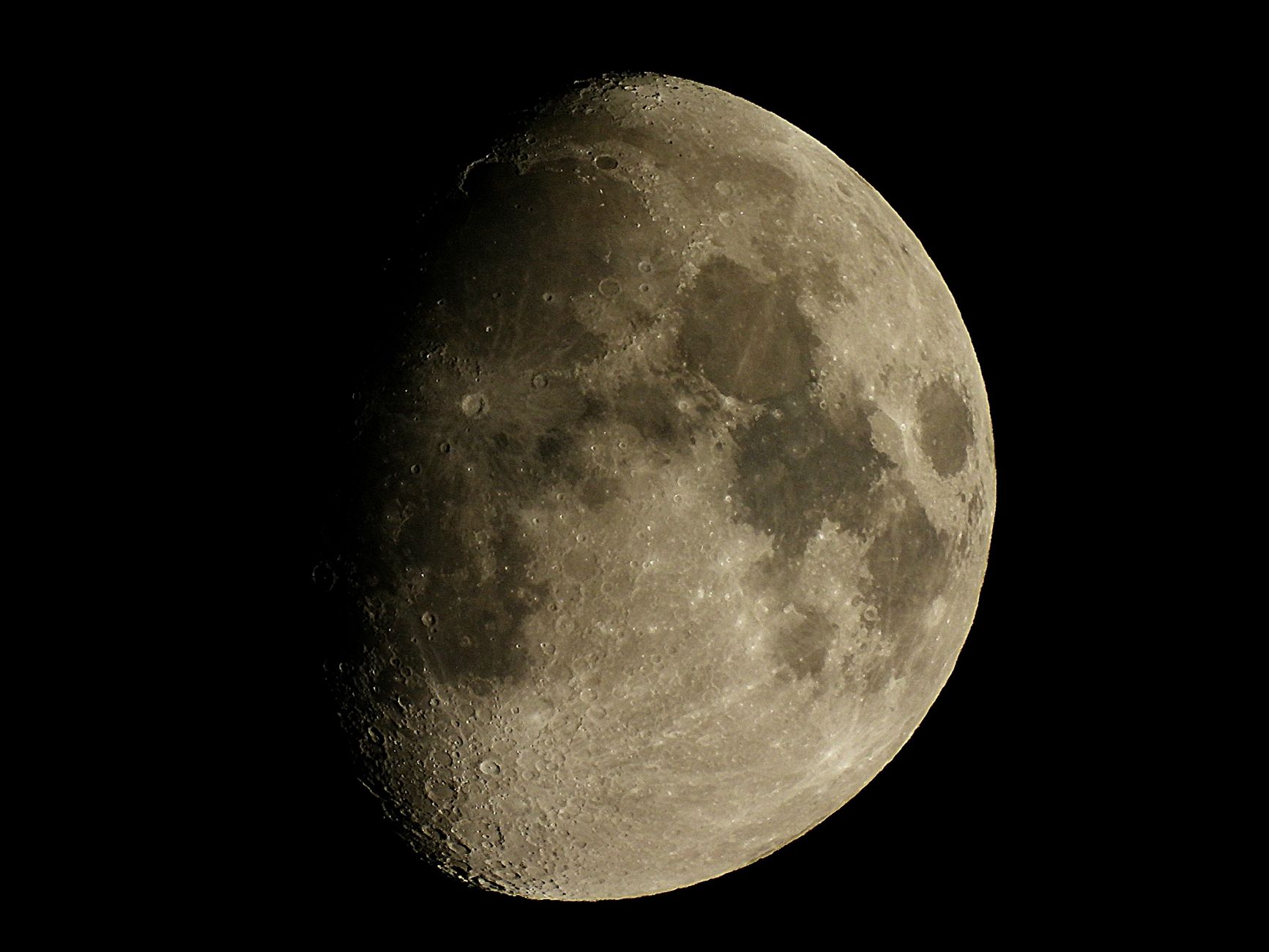
It began as an unremarkable morning in NASA's control room, but for Robert Wagner, it quickly turned extraordinary. As he examined the sprawling digital map of the Moon, his trained eye caught something unusual: a bright blotch encircled by a darker ring on the lunar surface.
What Wagner had stumbled upon was no ordinary lunar feature. It was a newly-formed crater, its creation harkening back to cosmic events that, scientists say, occur perhaps once in a century. The crater, discovered by NASA's Lunar Reconnaissance Orbiter (LRO), is estimated to have formed between 11 April and 22 May 2024, the result of a comet or asteroid impact. The celestial projectile, roughly the size of a three- to six-storey building, left its indelible mark on the Moon's eastern edge.
A Rare Cosmic Event
While the Moon's surface is pockmarked with craters from past collisions, the formation of a new, sizeable crater is a rarity. The last known event of similar magnitude occurred decades ago, highlighting the significance of this latest discovery. Such impacts are crucial for scientists, offering a rare glimpse into the processes shaping our celestial neighbour.
"It's a reminder of the dynamic nature of our solar system," remarked Dr Sarah Collins, an astronomer at the University of Cambridge. "Each crater tells a story, not just of the Moon's past, but of the broader cosmic environment in which Earth and its satellite exist."
Implications for Future Exploration
This discovery not only satisfies scientific curiosity but also has practical implications. Understanding the frequency and impact of such events aids in the planning of future lunar missions. As nations eye the Moon for potential bases, knowing where and how these impacts occur becomes increasingly vital.
The Lunar Reconnaissance Orbiter, launched in 2009, continues to be an invaluable tool for scientists. Its high-resolution images enable researchers to monitor changes on the Moon's surface, providing data that could be pivotal in future exploration efforts.
As Wagner reflects on his discovery, the excitement in his voice is palpable. "It's moments like these that remind us why we look to the stars," he says. "Every new finding is another piece of the puzzle, bringing us closer to understanding our place in the cosmos."


