NASA's Roman Craft Achieves Crucial Trajectory Adjustment
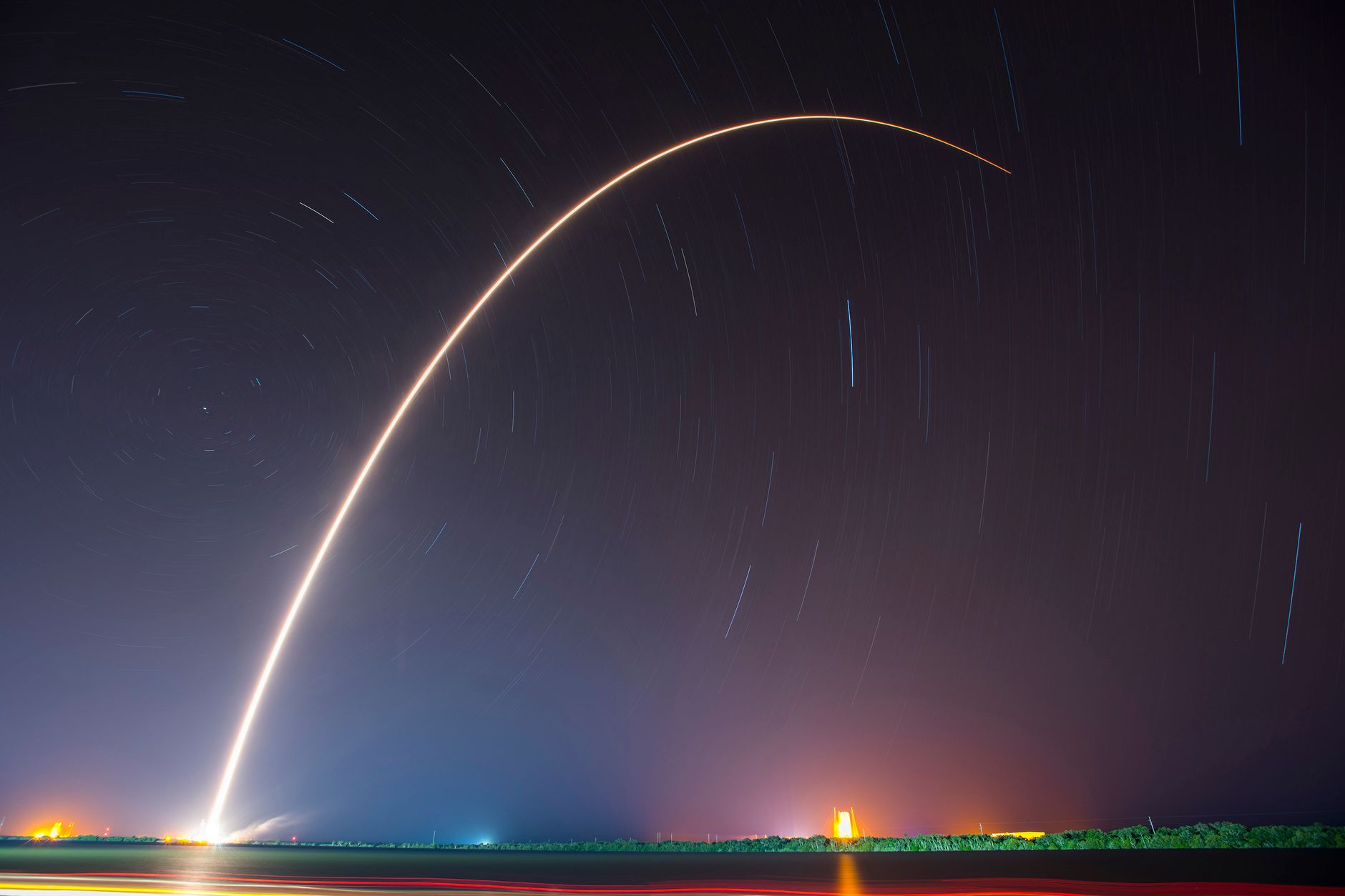
Amidst the vast emptiness of space, NASA's Roman Space Telescope has successfully completed a pivotal mid-course correction burn. This manoeuvre, executed with precision at 12:02 p.m. EDT, lasted approximately three minutes, subtly adjusting Roman's trajectory to ensure it reaches its intended orbit around the second Lagrange point, a million miles away from our blue planet.
In the world of space exploration, such adjustments are not merely routine but are crucial lifelines. Without them, spacecraft risk drifting off course, losing precious time, and possibly compromising scientific objectives. The Roman Space Telescope, named in honour of Nancy Grace Roman, NASA's first Chief of Astronomy, is slated to begin its mission of cosmic exploration, promising to unearth secrets of the universe.
Unlike its predecessor, the James Webb Telescope, which required a lengthy 65-minute burn, Roman's brief adjustment marks a triumph in efficiency. The swift, yet precise correction ensures that Roman remains on course to reach the L2 point, a gravitational sweet spot that allows the telescope to maintain a stable orbit with minimal fuel consumption.
Expected to deliver its first images by 2027, Roman's mission aims to explore dark energy, exoplanets, and infrared astronomy. These insights will potentially revolutionise our understanding of the cosmos, contributing not only to scientific knowledge but also to the broader human quest for understanding our place in the universe.
For NASA, the successful mid-course correction burn is a testament to meticulous planning and engineering prowess. As the Roman Space Telescope continues on its path, anticipation builds for the revelations it promises to bring.