NASA's Roman Telescope Prepares for Historic Space Journey
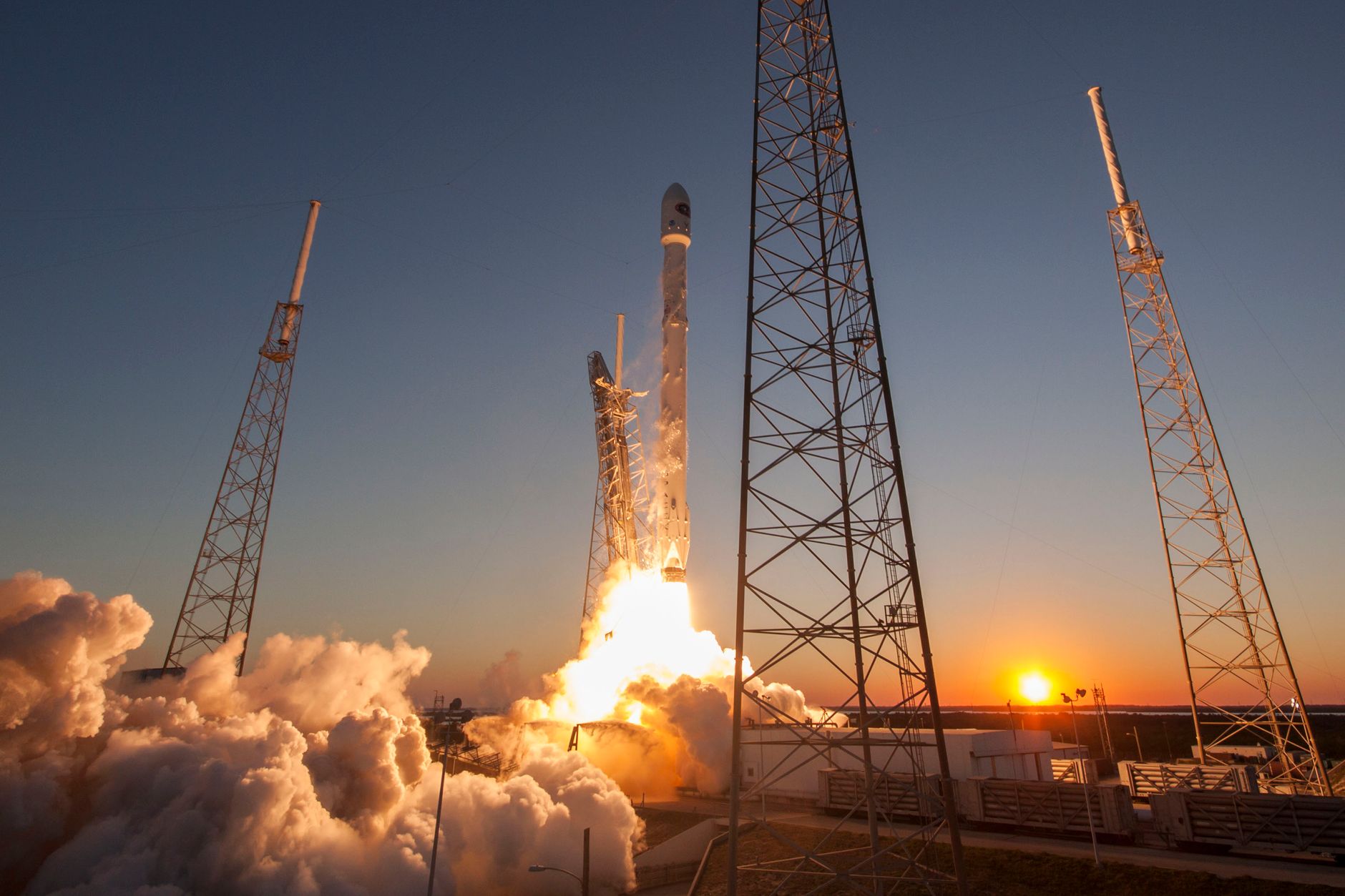
In the shadow of the towering gantries of Cape Canaveral, the Nancy Grace Roman Space Telescope stands ready, its mission to probe the cosmos inching ever closer. As the countdown clock ticks towards 30 August, excitement and anticipation fill the air. This pioneering telescope, named after a former NASA chief of astronomy, promises to shed light on some of the universe's most profound mysteries.
The Launch
Atop a Falcon Heavy rocket, the Roman Telescope awaits its journey to a Sun–Earth L2 orbit. With 27 Merlin engines at its disposal, this formidable launch vehicle is capable of generating a staggering five million pounds of thrust — a necessary force to propel the telescope into the depths of space. Once in orbit, Roman will begin its mission: to capture the infrared splendours of the universe, providing data that could revolutionise our understanding of dark energy, exoplanets, and the structure of our galaxy.
A Decade of Discovery
While the primary mission is set for five years, NASA harbours ambitions of extending Roman's operation to a full decade. As the world watches, prelaunch briefings are scheduled for 29 August, with live coverage of the launch commencing at 6:20 a.m. EDT the following day. The project is not just a leap forward in space exploration technologies but a testament to human curiosity and the quest for knowledge.
The Roman Telescope's journey is more than a scientific endeavour; it is a bridge to understanding the cosmos at a time when humanity is more eager than ever to find answers to age-old questions. With each turn of its observational lens, Roman promises to offer glimpses into the past, the present, and perhaps, the future of our universe.