NASA's Smallsats Launch: A New Dawn for Space Innovation
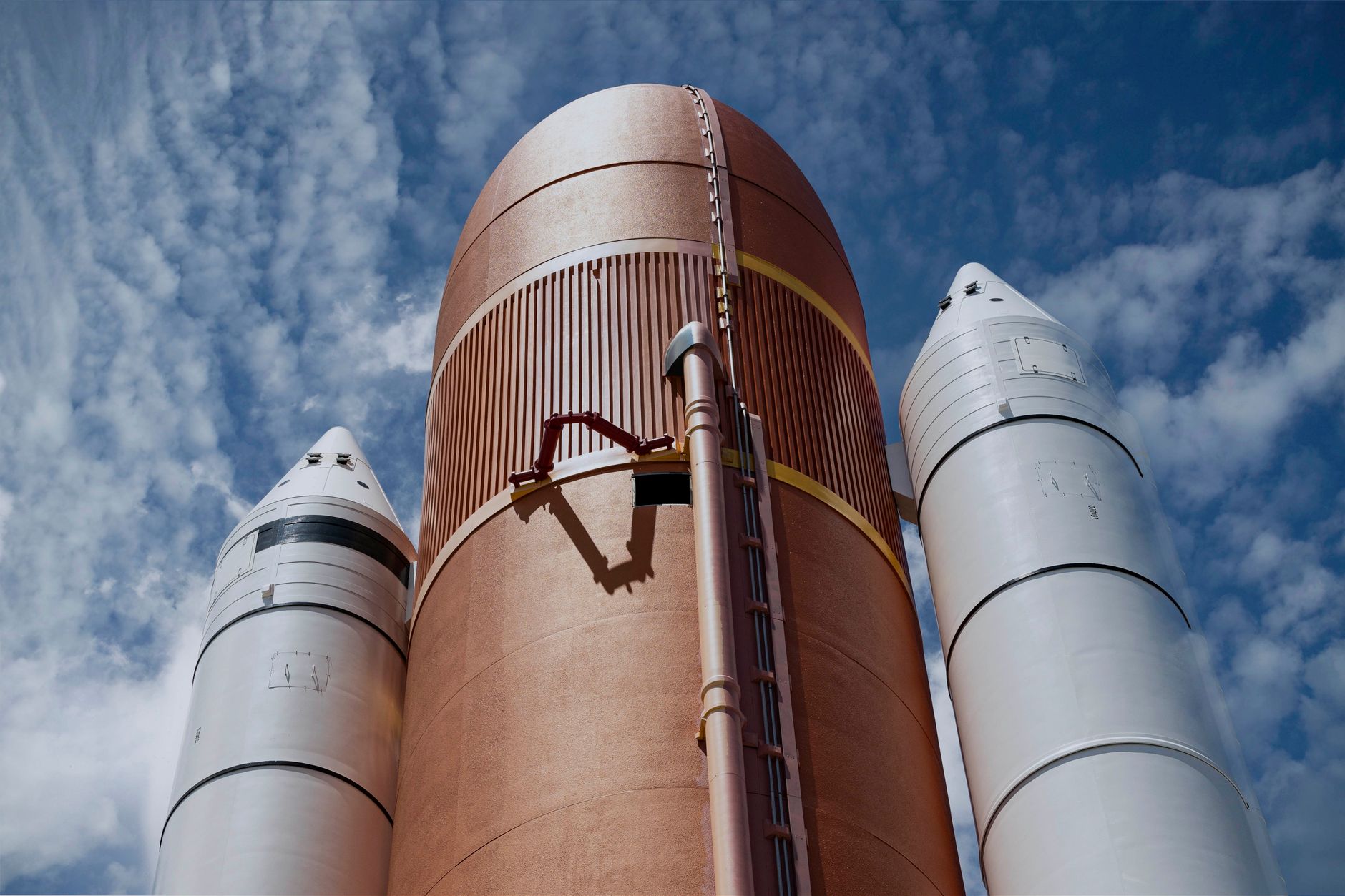
On a crisp October morning, NASA demonstrated yet again why it remains at the forefront of space exploration. At precisely 11:22 a.m. PDT, three small satellites were launched aboard a SpaceX Falcon 9 from Space Launch Complex 4 East. These smallsats, as they are affectionately known, represent a significant leap in both technology and ambition for the future of space science.
While the world often marvels at the grandeur of large spacecraft, it is the smallsat sector that is quietly revolutionising the way we understand and interact with the cosmos. The missions launched this week serve a trio of purposes: to pioneer new propulsion techniques, to study the movement of galactic dust and high-energy radiation, and to enhance our capability to inspect inactive satellites in orbit.
The Propulsion Frontier
One of the satellites is set to test new propulsion technologies that could reshape how spacecraft manoeuvre in space. By employing innovative fuel sources and engines, the mission aims to provide more efficient and sustainable propulsion solutions, potentially lowering costs and increasing the longevity of future missions.
Galactic Dust and Beyond
Another satellite focuses on the celestial ballet of galactic dust and radiation. Understanding these cosmic elements is crucial, not just for theoretical knowledge, but for practical applications in predicting space weather and protecting future astronauts from high-energy radiation during long-duration missions.
Inspecting the Unseen
The third satellite offers a glimpse into the future of satellite maintenance. As the number of inactive satellites increases, the need for efficient inspection and management becomes ever more pressing. This mission aims to advance the technology required to assess and manage these silent guardians of the night sky.
Nasa's collaboration with innovative firms and universities for this launch underscores its commitment to pushing the boundaries of what is possible. As smallsats continue to prove their worth, they may well become the unsung heroes of space exploration, quietly paving the way for grander missions.