NASA's Twin Spacecraft: Pioneering Lunar Technology
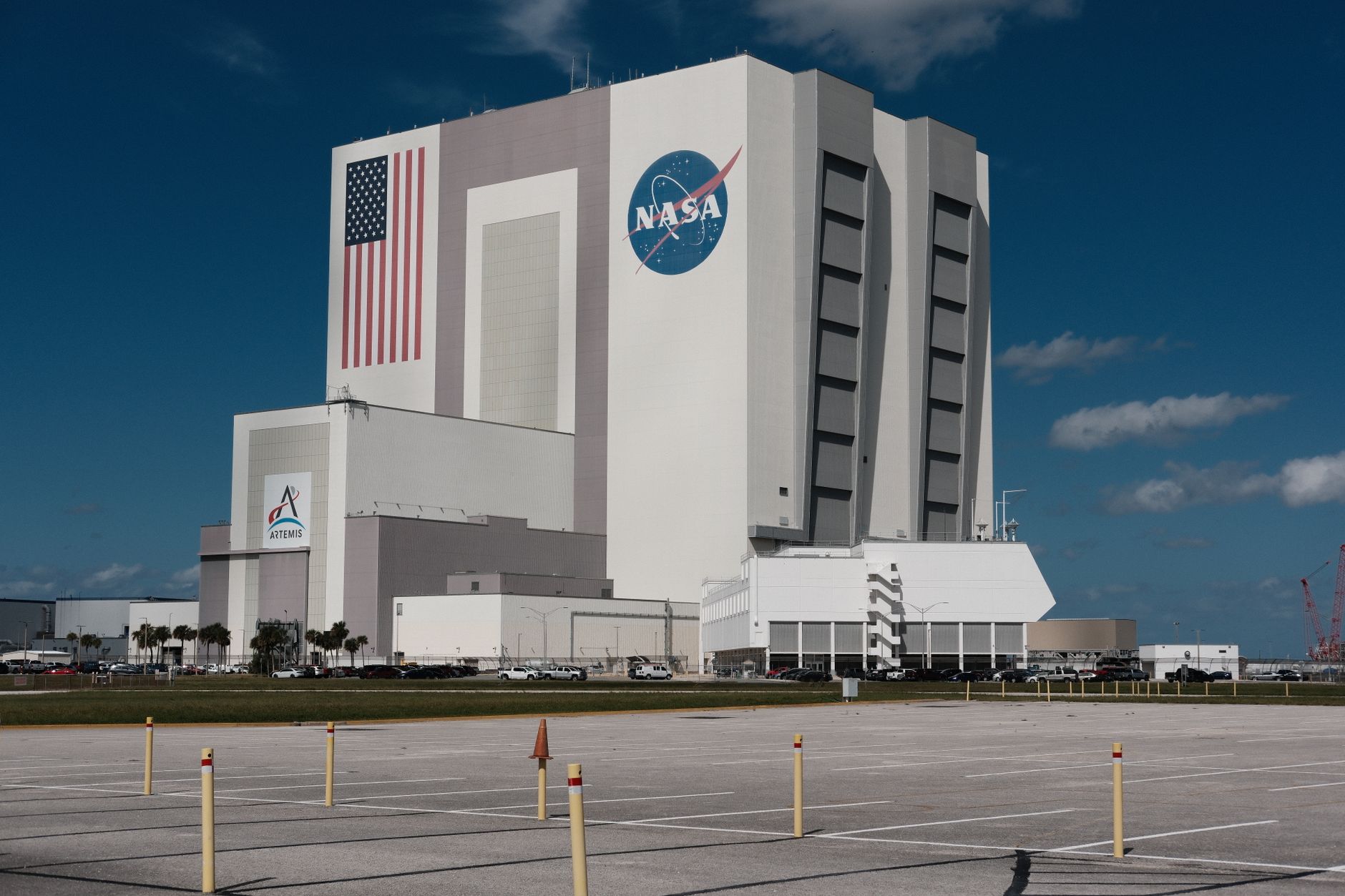
In a move that promises to reshape lunar exploration, NASA has launched two small spacecraft as part of a groundbreaking technology demonstration mission. These identical spacecraft, each tipping the scales at around 400 kilograms, are set to further the goals of the Artemis programme and establish the Moon as a stepping stone for deeper space exploration.
Dubbed CAPSTONE 02, this mission isn't just about reaching the Moon; it's about harnessing existing technology to push the boundaries of what's possible. The spacecraft will perform a series of complex manoeuvres in lunar orbit, including rendezvous, proximity operations, and formation flying. These actions aim to refine our understanding of lunar trajectories, a critical element for future missions looking to establish a long-term human presence on the Moon.
NASA's decision to repurpose the CAPSTONE hardware underlines a shift towards more sustainable and cost-effective space exploration. By adapting what's already in space, NASA not only saves time and resources but also opens doors to new applications and innovations. This approach marks a departure from the traditional model of launching new satellites for each mission.
Paving the Way for Future Exploration
The implications of this mission extend far beyond the immediate goals. By mastering the art of formation flying and trajectory analysis, NASA is laying the groundwork for future projects that plan to use the Moon as a launch pad for deeper space endeavours.
The CAPSTONE 02 mission, much like its predecessor, is a testament to the power of public-private partnerships in space exploration. By collaborating with Terran Orbital Systems, Inc., NASA ensures that the latest innovations are brought to the forefront, accelerating the pace of technological advancement in space.
As the spacecraft continue their journey around the Moon, the data they gather will be invaluable. It will inform not only the Artemis programme but also future missions aimed at exploring the far reaches of our solar system. This mission, modest in scale but grand in ambition, could very well set the stage for the next era of space exploration.