Nature's Revival: Building a Resilient Tomorrow
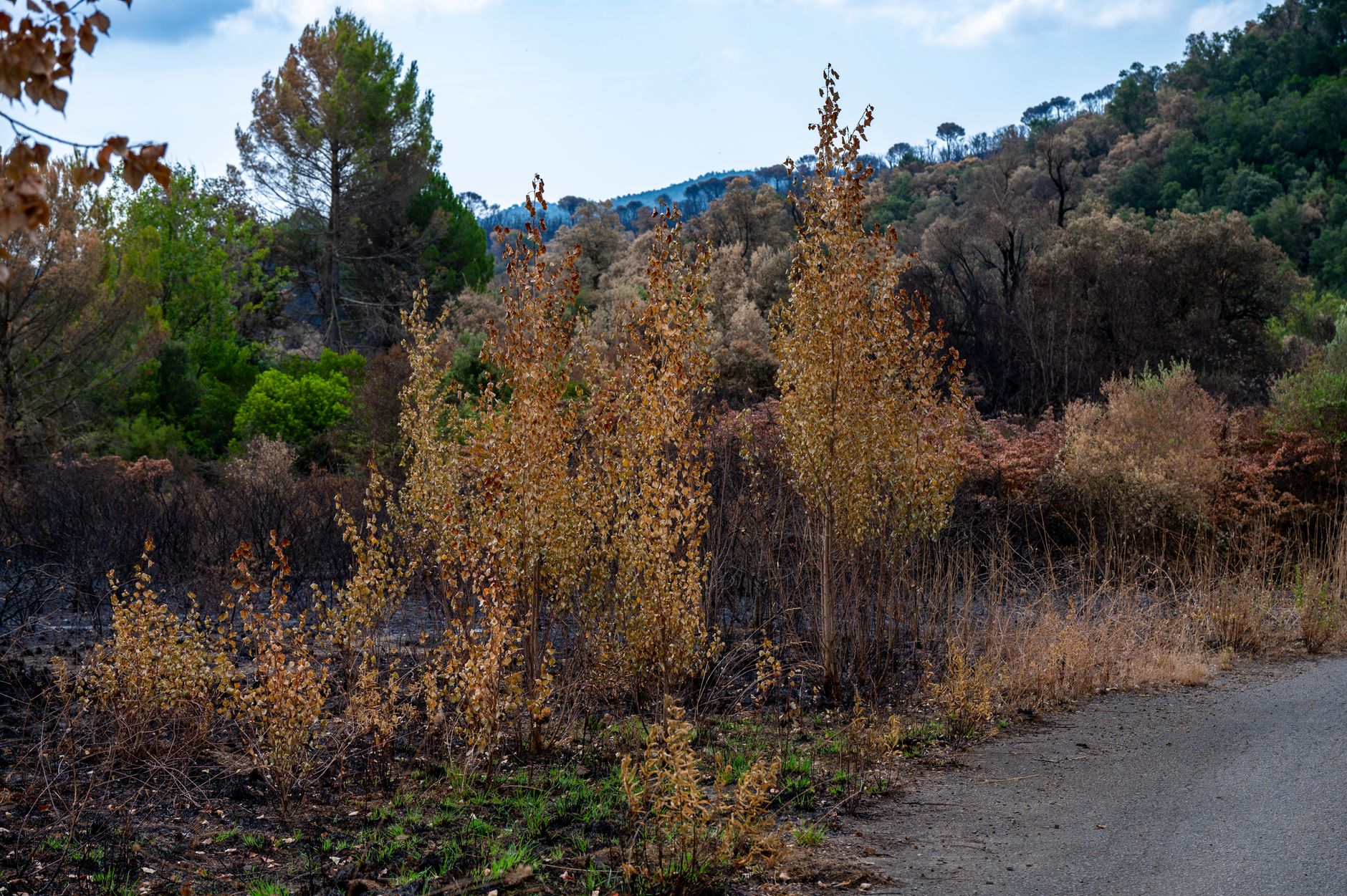
In the shadow of burgeoning climate crises, a clarion call for the restoration of nature rings louder than ever. From the forests of Amazonia to the grasslands of Africa, the need to rekindle Earth's natural ecosystems has become an imperative, not just an option. This push for revival is driven by more than just ecological idealism; it is a pragmatic approach to address the increasingly unpredictable impacts of climate change.
One might argue that the benefits of large-scale restoration extend far beyond enhancing biodiversity. As recent studies and environmental summits highlight, revitalising natural habitats is an investment in resilience. These ecosystems act as natural buffers against floods, droughts, and wildfires, phenomena that are becoming disturbingly frequent under the spectre of climate change. Moreover, they are vital carbon sinks, crucial in the global fight to reduce greenhouse gas emissions.
The Global Stage
In recent years, global forums such as the IUCN World Conservation Congress have brought together experts and policymakers to strategise on ecosystem restoration. These gatherings are not mere talk shops; they are crucibles for innovation and collaboration. The 'Restoring Our Future' initiative, for example, has showcased pioneering efforts in ecosystem restoration, underscoring the role of strategic partnerships in amplifying impact.
As nations prepare for high-stakes discussions at COP17 and COP31, the focus is firmly on accelerating positive tipping points in energy, food, and finance. The message is clear: restoring nature is not just a part of climate strategy; it is central to it.
Local Efforts, Global Impact
On a smaller scale, community-driven projects exemplify how local action can contribute to global change. A prime example is a solar-powered, rainwater-harvesting fishing facility that has transformed a coastal community. By stabilising shorelines and restoring coastal habitats, such initiatives not only safeguard livelihoods but also fortify communities against climate vulnerabilities.
The path to a resilient future is paved with the stones of nature's revival. While challenges remain, the momentum towards restoration is unmistakable, fuelled by the understanding that a healthy planet is a prerequisite for a thriving humanity.