Navigating Identity: The Political Dilemmas of Palestinian Citizens in Israel
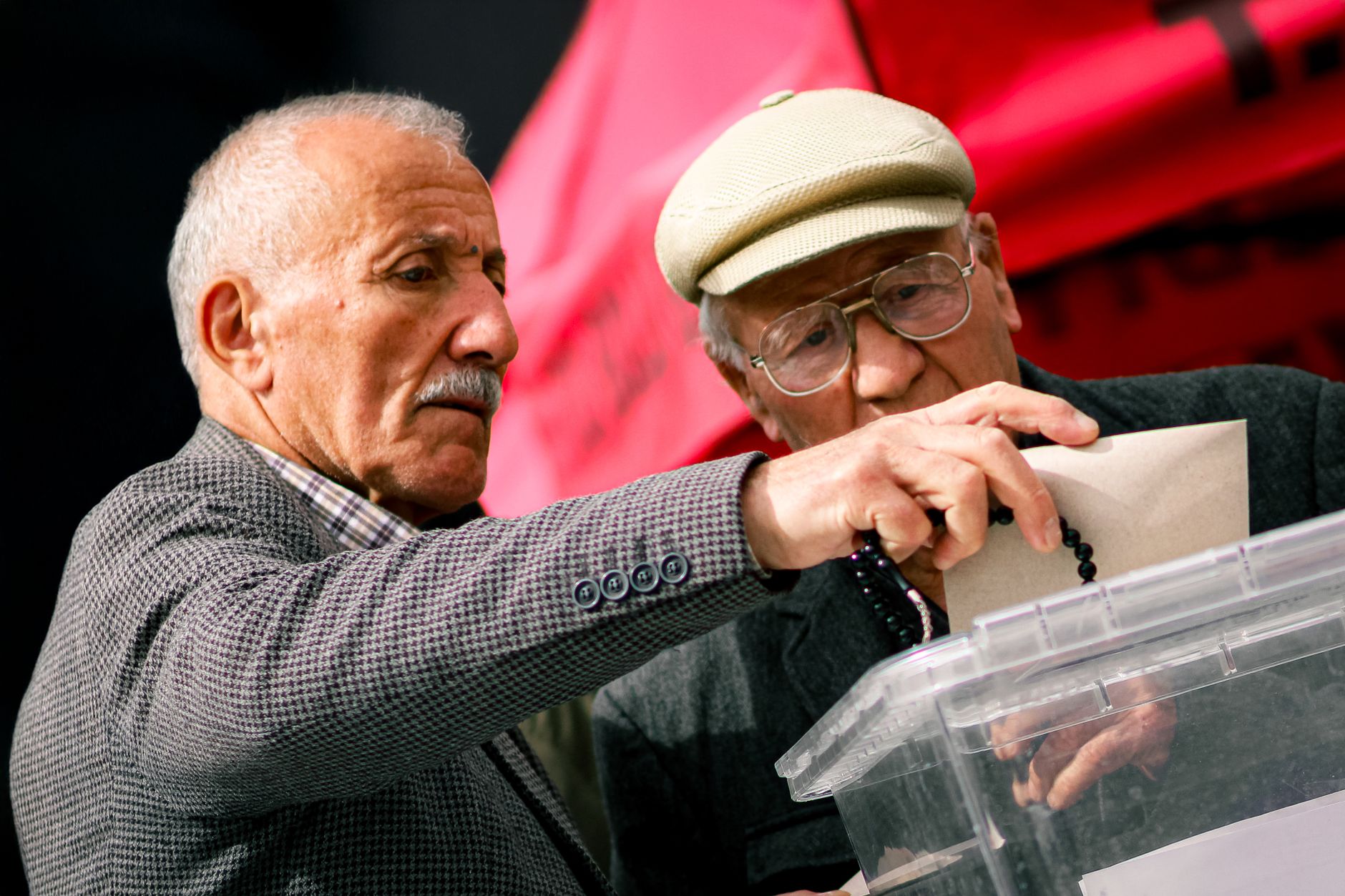
In the bustling streets of Nazareth, a city with deep historical roots, discussions over coffee often drift towards politics these days. As Israel braces for its forthcoming elections, Palestinian citizens, who make up about 20% of the population, are at a crossroads. Their participation—or lack thereof—in the political arena is a matter of intense debate.
For many, the question is not just about voting, but about identity. The term 'Israeli Arab' is often used, yet for a significant number, 'Palestinian citizen of Israel' better captures their complex identity. This semantic choice reflects broader tensions, as it suggests both a connection to a Palestinian heritage and an acknowledgment of their Israeli citizenship.
Political Engagement: A Double-Edged Sword?
The dilemma facing these citizens is whether participating in Israeli politics legitimises a system they feel marginalises them. Historic grievances over land rights, cultural recognition, and economic equality fuel scepticism. Yet, political engagement is seen by some as the only viable path to change.
Parties representing Palestinian citizens, like Ra’am and the Joint List, have faced challenges in uniting their constituencies. Ra’am’s decision to join the Israeli coalition government marked a controversial shift, seen by some as pragmatic and by others as a betrayal.
The Weight of History
Since the establishment of Israel in 1948, Palestinian citizens have navigated a fraught political landscape. The recent backdrop of conflict in Gaza only amplifies their concerns. As elections loom, these citizens are pondering whether their participation can indeed influence the Israeli polity or merely serve as a fig leaf of democracy.
For now, the discourse in cities like Nazareth reflects a community caught between hope and historical scepticism. Come election day, the choices they make will echo beyond the ballot box, shaping the future of their identity and their place within Israel.