Navigating the Delicate Equilibrium: Groundwater and Crop Demands
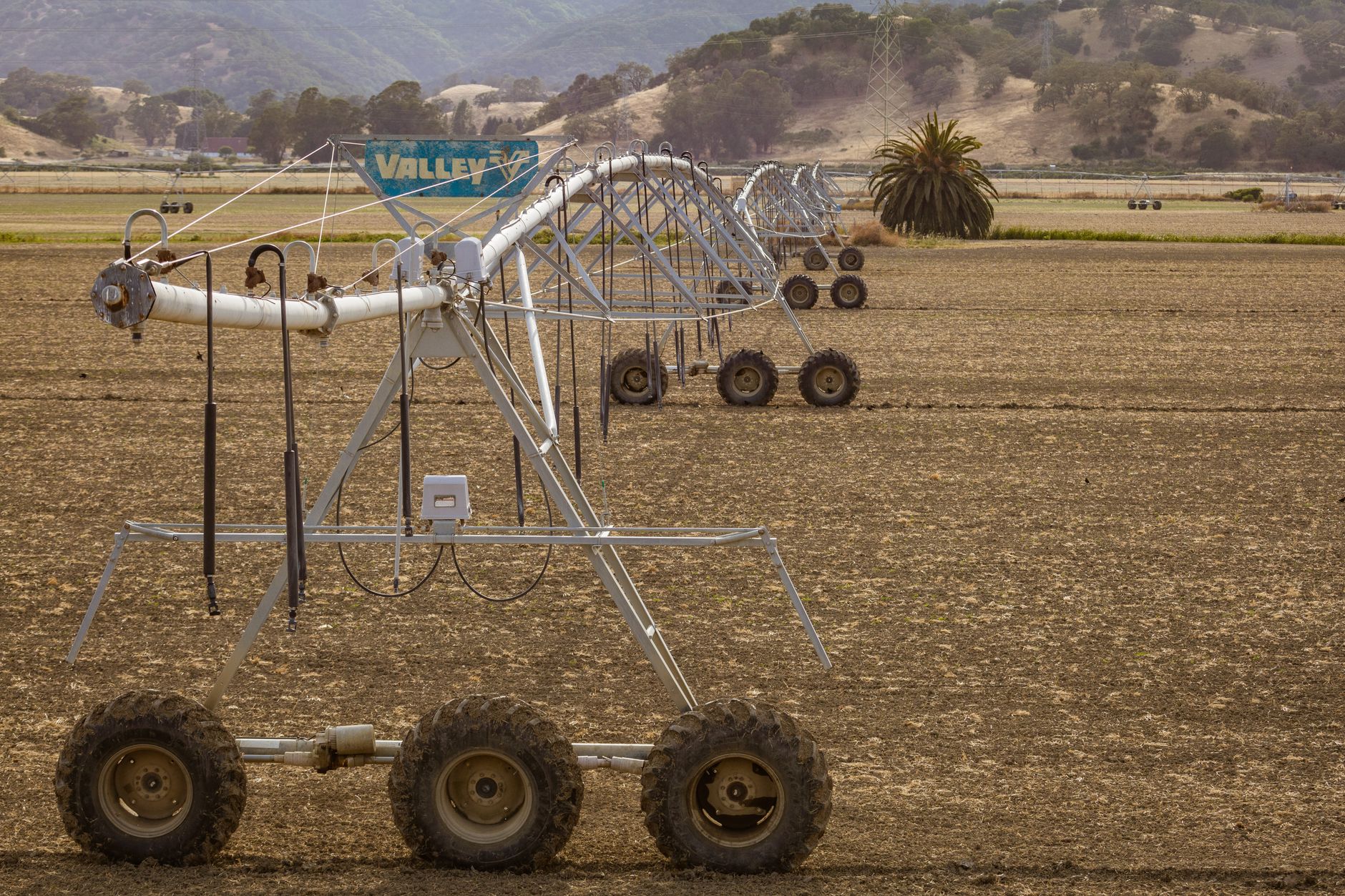
In the quiet fields of rural landscapes, a silent battle is being waged. It is not against pests or unfavourable weather, but against the invisible depletion of groundwater. This precious resource underpins the very fabric of agricultural productivity, yet its overuse threatens the very ecosystems it sustains.
Agriculture, particularly irrigated farming, has long been a voracious consumer of water. While it boosts yields and supports food security, it often draws more water than the crops actually require. This over-extraction not only drains aquifers but also destabilises local ecosystems, posing a long-term threat to both agriculture and the environment.
To address this, experts advocate for a dual approach: technological innovation coupled with sustainable practices. Improving the efficiency of surface irrigation, sometimes referred to as 'blue water', is one strategy. By reducing the need for extensive groundwater pumping, farmers can conserve water without sacrificing crop yields.
Integrating Technology and Tradition
Groundwater modelling, when combined with crop water modelling, offers a promising avenue. This integrated approach allows for better prediction and management of water resources, especially in regions where data is scarce. By understanding how much water crops truly need, farmers can optimise their usage, ensuring that every drop counts.
Such models also help policymakers in crafting informed regulations that balance agricultural needs with environmental conservation. As climate uncertainties loom, these strategies become even more critical, offering a buffer against unpredictable weather patterns and water scarcity.
A Path Forward
The challenge lies not only in implementing these solutions but in ensuring they are accessible to those who need them most. Often, the farmers most reliant on groundwater are also the least equipped to adopt new technologies. Thus, a concerted effort is required from governments, NGOs, and the private sector to provide the necessary support and training.
Ultimately, the goal is to achieve a harmonious coexistence between agricultural productivity and environmental health. By fostering sustainable practices and embracing technological advancements, we can hope to maintain this balance — a task that is as essential as it is challenging.