Navigating the Vegetarian Diet: A Nutritional Balancing Act
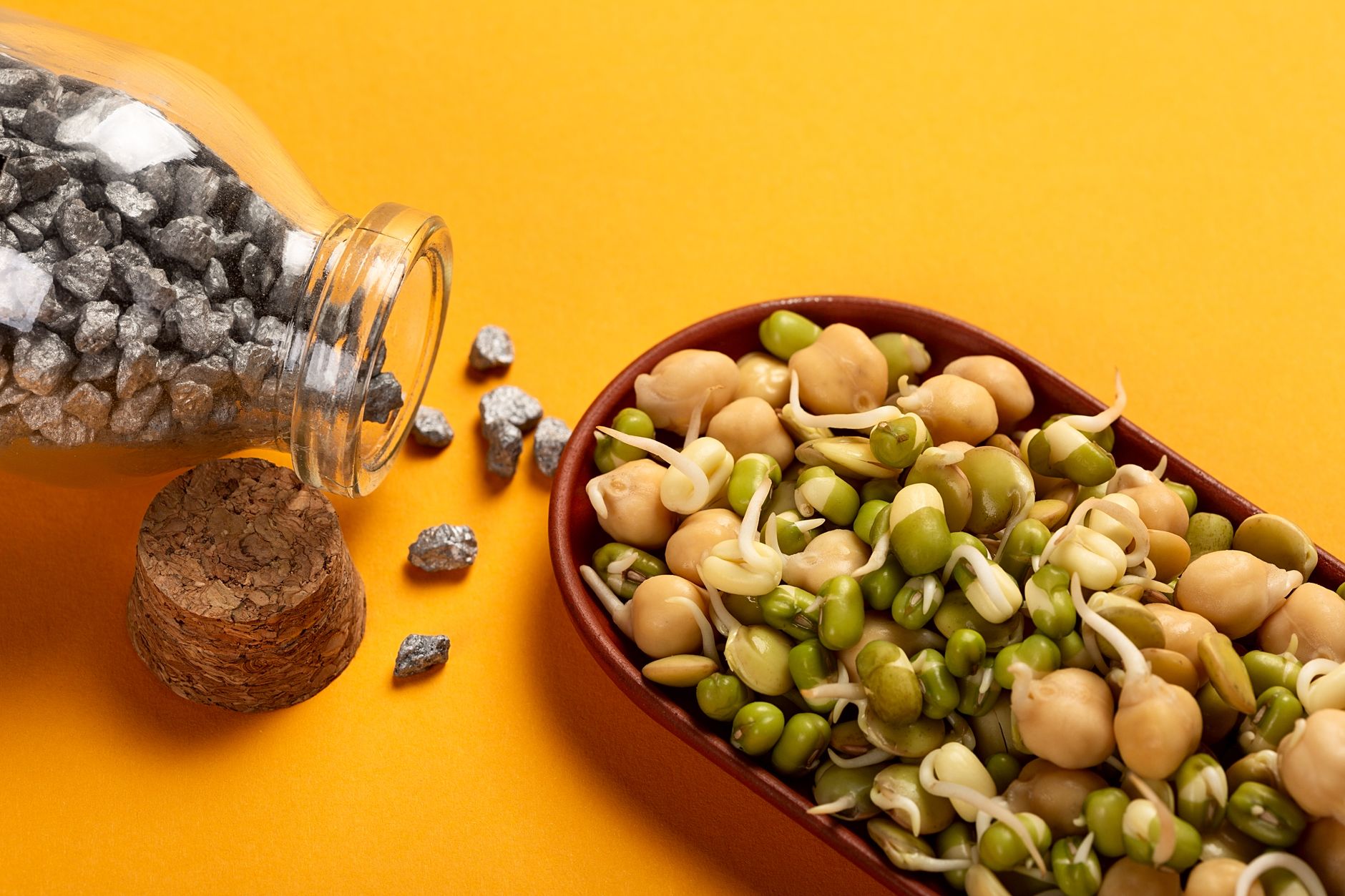
In the ever-evolving world of dietary preferences, the vegetarian diet stands out as a beacon of both promise and complexity. While it is lauded for its potential health benefits, particularly in reducing risks associated with cardiometabolic diseases, it demands a nuanced approach to ensure nutritional adequacy.
At its core, a vegetarian diet excludes meat, poultry, and seafood, occasionally extending to eliminate eggs and dairy in its stricter vegan form. This dietary choice, while ethically and environmentally appealing to many, presents unique nutritional challenges. Key nutrients such as protein, iron, zinc, calcium, vitamin D, and vitamin B12, often more readily available in animal products, require careful substitution and supplementation.
The Science Behind the Benefits
Scientific research underscores the potential of vegetarian diets to improve health outcomes. The Academy of Nutrition and Dietetics has affirmed that well-planned vegetarian and vegan diets are nutritionally adequate and beneficial. Primarily, they are associated with lower risks of heart disease, hypertension, type 2 diabetes, and certain cancers. The high intake of fruits, vegetables, and whole grains typically found in these diets contributes to these positive health effects.
However, the benefits are contingent upon meticulous planning. The absence of animal products necessitates a diversified intake of plant-based proteins—such as lentils, nuts, and tofu—to meet protein requirements. Similarly, iron absorption can be enhanced by combining iron-rich foods with vitamin C sources.
Balancing Act: Nutritional Challenges
Vitamin B12, predominantly found in animal products, is a particular concern as its deficiency can lead to anaemia and neurological issues. Fortified foods and supplements often become essential. Likewise, omega-3 fatty acids, crucial for heart health, are less prevalent in vegetarian diets but can be sourced from flaxseeds and walnuts.
Calcium and vitamin D, vital for bone health, also require attention. While dairy products are a direct source, those opting for veganism must rely on fortified plant milks and sunlight exposure.
Ultimately, the vegetarian diet's success hinges on informed choices and a balanced approach. By carefully selecting diverse food sources and considering supplementation, individuals can enjoy both the ethical satisfaction and health benefits of a plant-based lifestyle.