
NCERT Embraces India's Medieval Resilience Over European Revolutions
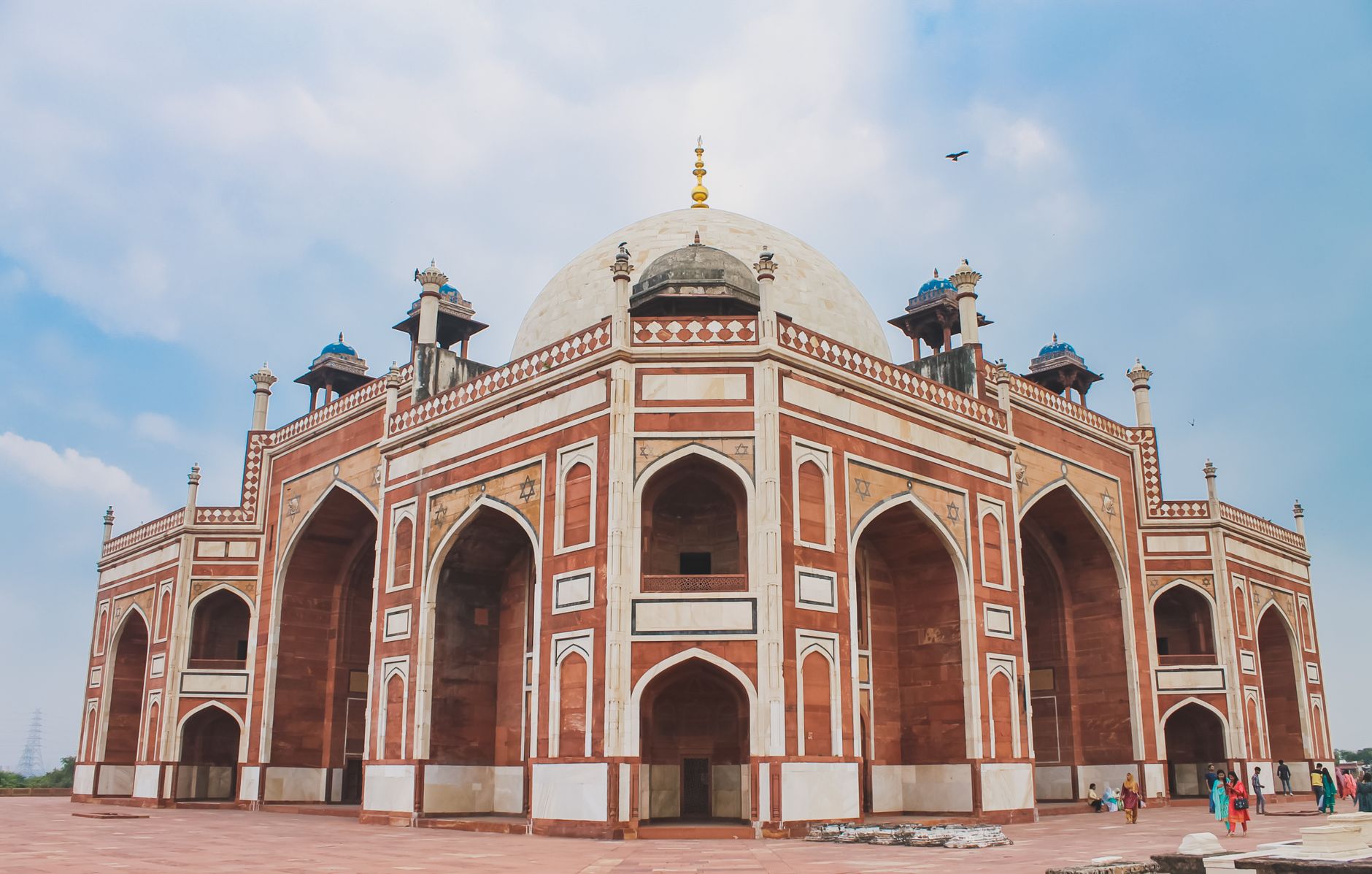
In a significant departure from previous editions, the latest NCERT Class 9 Social Science textbook has replaced chapters detailing European revolutions with narratives of India's own medieval resistance movements. Gone are the tales of the French and Russian revolutions, now supplanted by stories of valiant struggles against Mughal invasions.
This new focus brings to light the armed resistance of groups such as the Sikhs, Jats, Rajputs, and Ahoms. These chapters aim to instil a sense of national pride by celebrating the resilience and bravery that characterised Indian responses to foreign incursions from the 7th century onwards.
A Shift in Perspective
The decision to spotlight these resistance movements marks a deliberate shift in educational priorities. By emphasising India's own historical struggles and triumphs, the textbook seeks to provide a more localised understanding of history, tailored to resonate with Indian students. It also serves as a reminder of the complexities and richness of India's past, a past often overshadowed by colonial narratives.
Accompanying the tales of resistance are accounts of lesser-known women rulers, providing a more inclusive historical perspective. This inclusion highlights the important roles women played in shaping the course of Indian history, a narrative often neglected in traditional textbooks.
Implications for Education
This revision has sparked discussions among educators and historians alike. While some applaud the move for its focus on indigenous history, others caution against the potential marginalisation of global historical events. The challenge remains to balance a curriculum that is both locally relevant and globally informed.
The NCERT's initiative reflects a broader trend within Indian education to revisit and revise historical narratives, ensuring they reflect a comprehensive and balanced view of the past. As students leaf through the pages of their new textbooks, they are not just learning history; they are rediscovering the stories that form the very fabric of their cultural identity.


