
NCERT Sparks Debate with Divine Sword Allegations in Textbook
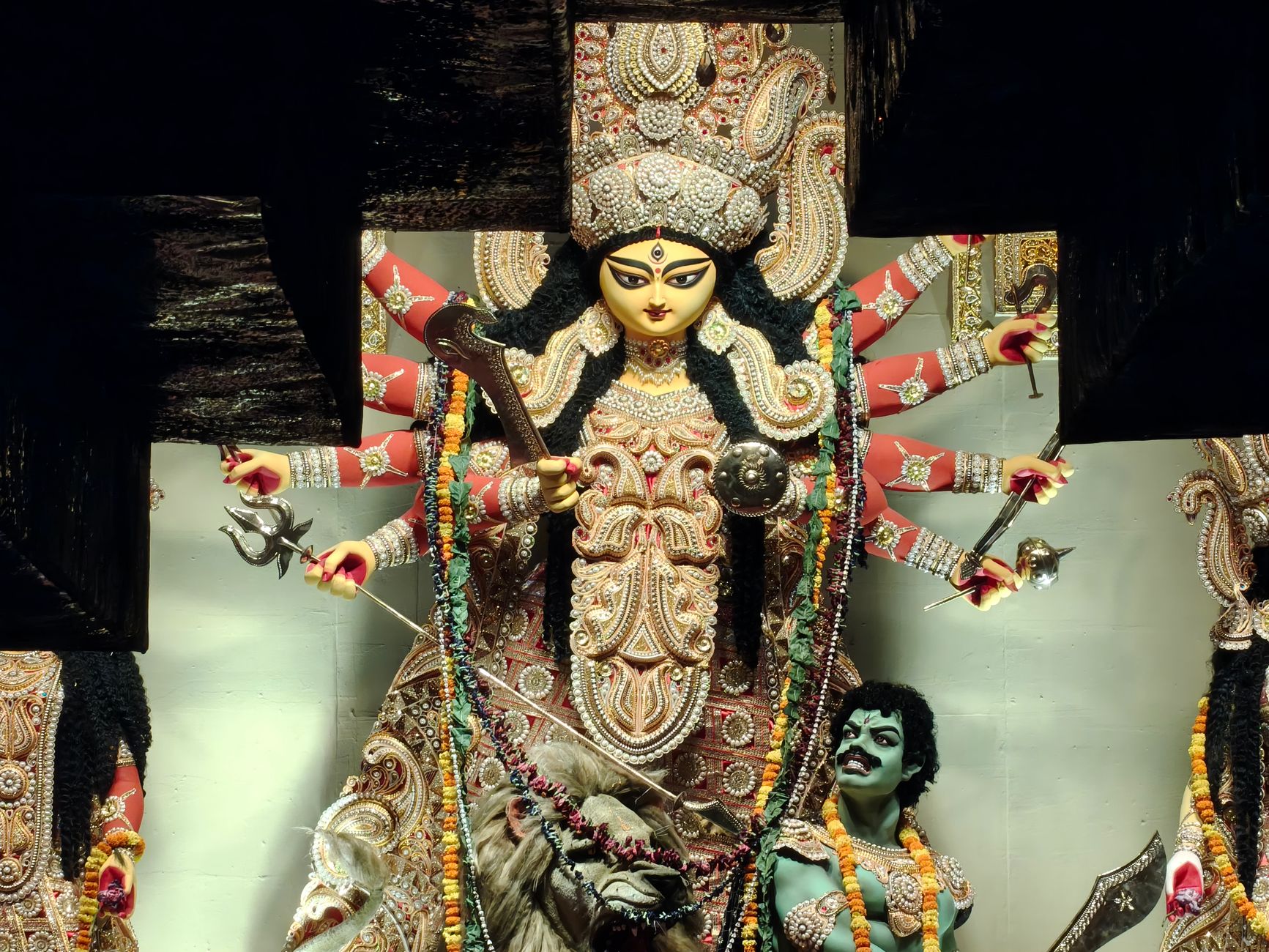
In a surprising turn of events, the latest Class 9 social science textbook from the National Council of Educational Research and Training (NCERT) is grabbing headlines for its bold claim that several Indian kings wielded swords bestowed upon them by Hindu goddesses. The book, intriguingly titled ‘Understanding Society: India and Beyond (Part 2)’, offers a vivid depiction of rulers such as Bastar’s Annamaraja, Vijayanagara’s Kumara Kampana, and the renowned Maratha leader Chhatrapati Shivaji receiving divine armaments.
The narrative, ostensibly drawn from traditional accounts, paints a picture of a bygone era where divine intervention was seen as a catalyst in the defence against invasions. From the seventh century onwards, these tales of celestial weaponry have been intertwined with the subcontinent's turbulent history of territorial and religious conflicts.
Blurring Lines between Myth and History
While the inclusion of such stories in educational material is not new, it nonetheless raises pertinent questions about the balance between teaching mythology and imparting historical facts. Critics argue that the portrayal of divine intervention may overshadow the critical analysis of historical events and figures, potentially leading to a skewed understanding among young learners.
Historians and educators are divided on the matter. Some suggest that these narratives can enrich cultural knowledge and spark interest in history by presenting it through the lens of storytelling. Others caution against the risk of mythologising history, which might lead to misconceptions about historical realities.
The Wider Educational Implications
India's educational landscape is no stranger to debates over curriculum content, particularly when it comes to the portrayal of historical events and figures. The current controversy echoes previous disputes over the representation of historical narratives in textbooks.
As the discourse unfolds, it highlights the ongoing struggle to define the role of education in shaping national identity. Should textbooks strive for factual accuracy alone, or is there room for cultural narratives that reflect the diverse tapestry of Indian heritage?
Ultimately, the NCERT's decision to include such content in their curriculum points to a broader conversation about the purpose and direction of education in India. As educators and policymakers navigate these complex waters, they must consider the impact of these narratives on future generations.


