NEET Candidate's Score Allegedly Alters Thrice, Sparks Legal Battle
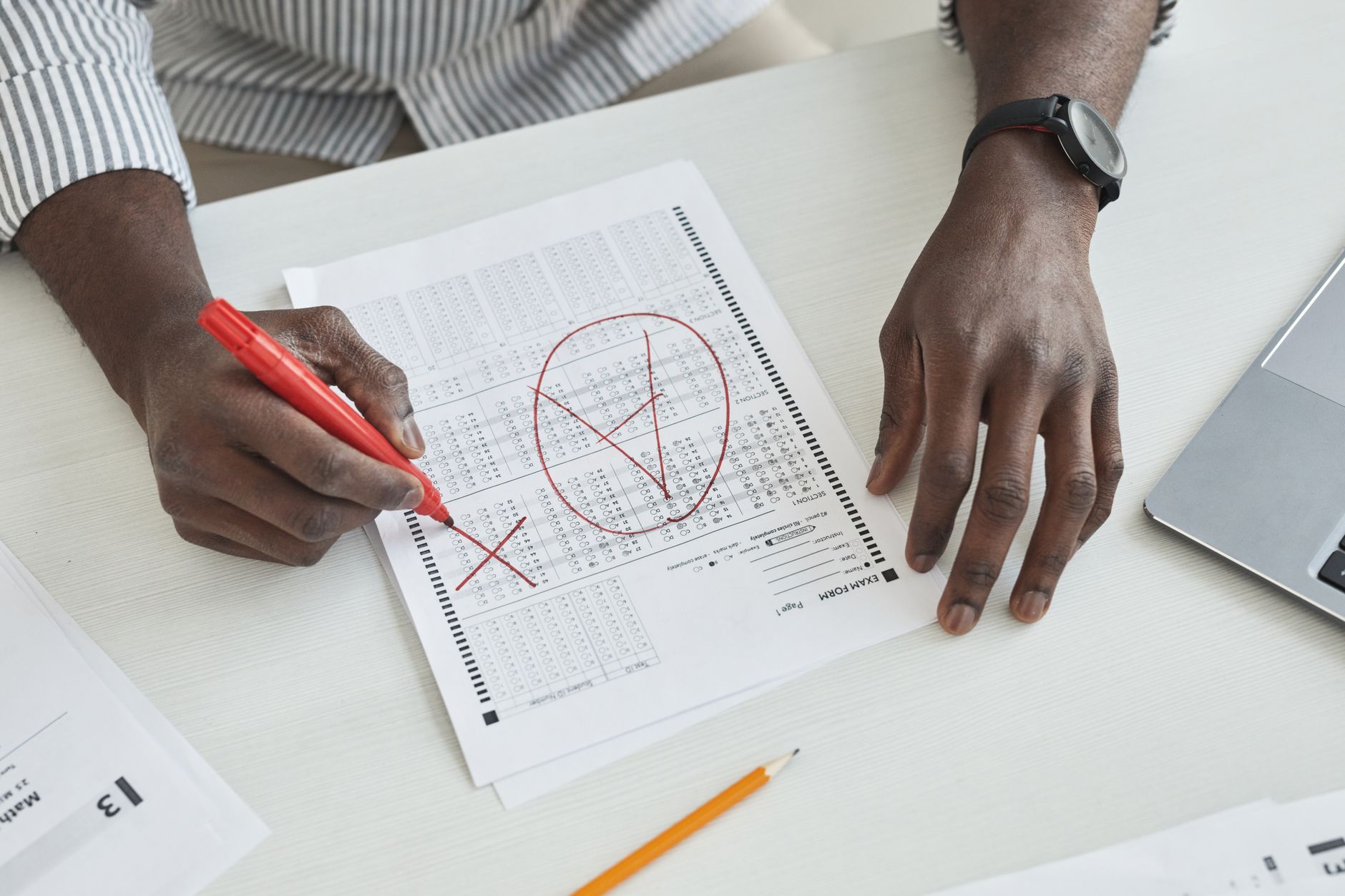
In a dramatic turn of events, a NEET UG 2026 candidate has taken his grievances to the Delhi High Court, alleging that his examination score mysteriously fluctuated thrice within the span of a day. According to the candidate, the score on the National Testing Agency (NTA) portal initially displayed a promising 650, only to plummet to 500, and then an alarming 135 marks.
The candidate, represented by Advocate Vineet Jindal, has raised serious questions about the integrity of the score verification process. The petition filed highlights a potential breach in the system's reliability, which could unsettle thousands of students relying on these scores for their medical career aspirations.
The Examination Conundrum
NEET, a highly competitive examination, serves as a gateway for aspiring medical professionals across India. With stakes so high, even the slightest hint of irregularity can cause widespread consternation among candidates and their families. The alleged score discrepancies have inevitably cast a shadow of doubt over the NTA's handling of the results.
While technical glitches are not unheard of in digital platforms, the candidate's experience suggests a deeper issue that requires thorough examination. Was this an isolated incident, or does it indicate a systemic flaw in the NTA's digital infrastructure?
Legal and Educational Implications
The legal proceedings initiated by the candidate aim to ensure accountability and transparency within the examination system. If the court finds merit in the claims, it could compel the NTA to reassess its evaluation mechanisms and perhaps introduce more stringent verification protocols.
For the academic community, this case underscores the necessity of robust digital security and transparent procedures. As educational institutions increasingly rely on online platforms, maintaining students' trust through reliable systems becomes paramount.
The court's decision, anticipated with bated breath by many, could set a precedent for how examination discrepancies are handled in the future. Until then, the candidate and many like him remain in a state of uncertainty, hoping for justice and clarity.