Nepal's Flash Floods: The Hidden Health Dangers Lurking
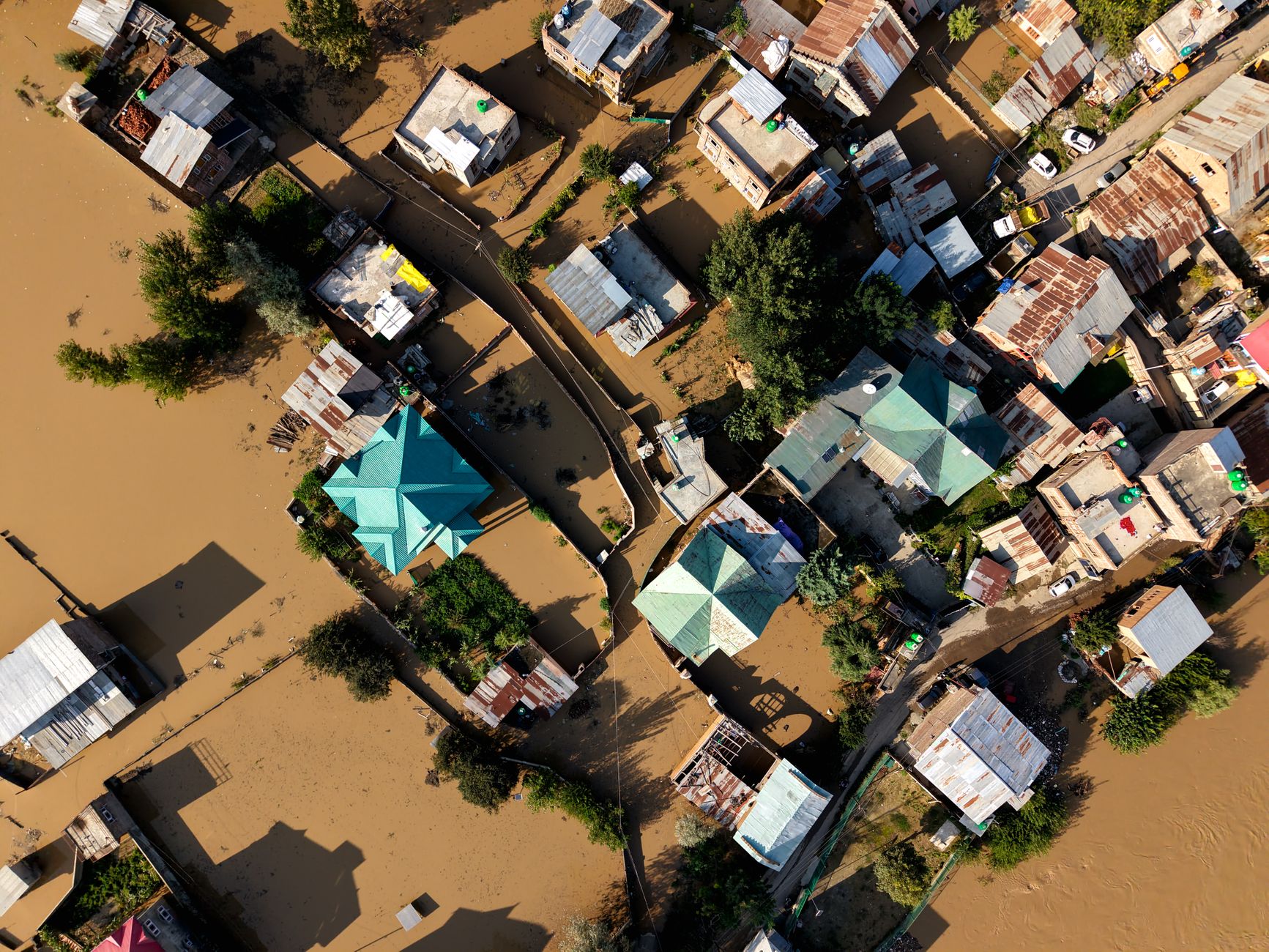
In the shadow of the Himalayas, Nepal is reeling from the catastrophic flash floods that have claimed over 900 lives and left thousands more missing. As rescue operations intensify amidst the mud and debris, a silent yet formidable threat looms over the survivors: waterborne diseases.
The floods, a grim reminder of nature's unbridled fury, have disrupted not just the landscape but the very lifelines of communities. As waters surged, they carried with them the risk of diseases like cholera, dysentery, and typhoid fever. Contaminated water supplies can quickly become breeding grounds for these illnesses, posing a grave challenge to the nation's fragile healthcare system.
Immediate Health Risks
The first health risk that survivors must vigilantly guard against is cholera. An acute diarrhoeal disease, cholera can kill within hours if untreated. In the chaos following the floods, access to clean water is severely limited, making the spread of such diseases all the more probable. Families, already torn apart by loss and uncertainty, now face the spectre of a health crisis.
Dr. Sunita Thapa, a health official in Kathmandu, warns, "The risk of a cholera outbreak is high. We urge communities to boil water and practice stringent hygiene measures, but resources are scarce."
Strain on Healthcare
Nepal's healthcare infrastructure, already stretched thin, is grappling to provide care to the injured and the vulnerable. Hospitals, overwhelmed with the influx of patients, struggle with shortages of essential medical supplies. The situation is exacerbated by the logistical challenges of reaching remote areas, where many remain cut off from aid.
Efforts by international organisations and the Nepalese government to supply clean water, medical aid, and sanitation facilities are underway. However, the scale of the disaster makes it a daunting task.
Long-term Concerns
Beyond the immediate health risks, the floods have sparked concerns about long-term impacts on mental health. The trauma of losing loved ones and homes, coupled with the uncertainty of the future, could lead to a rise in mental health issues. Providing psychological support will be as crucial as addressing physical health needs.
As Nepal confronts this multifaceted crisis, the resilience and resourcefulness of its people will undoubtedly shine through. Yet, the path to recovery is fraught with challenges, and the spectre of disease is one battle that must be fought with urgency and unwavering resolve.