Nepal's Health System Buckles Under the Weight of Devastating Floods
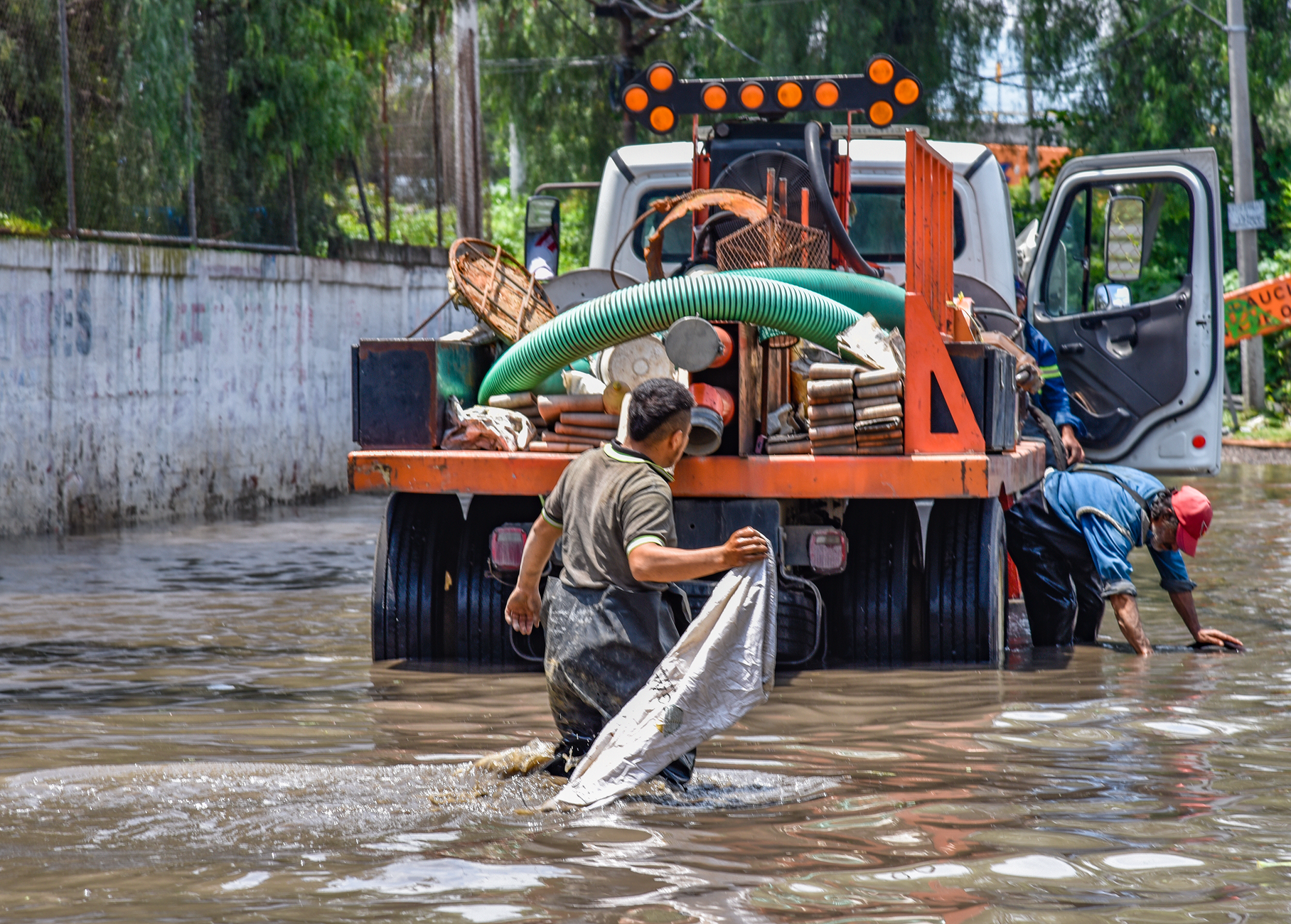
The torrential monsoon rains that have battered Nepal and its northern neighbour, Tibet, have left a trail of destruction, claiming at least 1,200 lives. Amidst this calamity, the country's already fragile health system finds itself perilously close to collapse.
Nepal's healthcare infrastructure, long weakened by years of underinvestment and the scars of a decade-long civil conflict, now faces its sternest test. The World Health Organization's representative to Nepal, Allison Gocotano, has highlighted the grim reality: at least seven hospitals and health centres have been either destroyed or severely damaged by the floods.
Access to medical care, already a challenge in remote regions, has become even more difficult. Roads and bridges, vital lifelines to the country's mountainous terrain, have been washed away, leaving many communities isolated and vulnerable.
A System Under Strain
This crisis underscores the urgent need for a robust and resilient health system. The immediate priorities are clear: restoring basic health services, preventing outbreaks of waterborne diseases, and addressing the long-term challenge of rebuilding infrastructure. Yet, the task is daunting. Nepal's healthcare system is not only grappling with the current emergency but is also under pressure to prevent a total collapse.
The government, alongside international aid organisations, is scrambling to implement emergency measures. However, the scale of the disaster has exposed the chronic vulnerabilities in Nepal's public health system, exacerbated by unplanned and poorly regulated urbanisation.
Looking Forward
The recent events serve as a stark reminder of the importance of preparedness and resilience in the face of natural disasters. Investment in healthcare facilities, training for emergency response, and sustainable urban planning are crucial to mitigating the impacts of such calamities in the future.
For Nepal, the road to recovery will be long and arduous. Yet, with concerted efforts and international support, there is hope that the nation can emerge stronger and better equipped to face the challenges ahead.