Nepal's Health System Faces Unprecedented Challenges Amid Floods
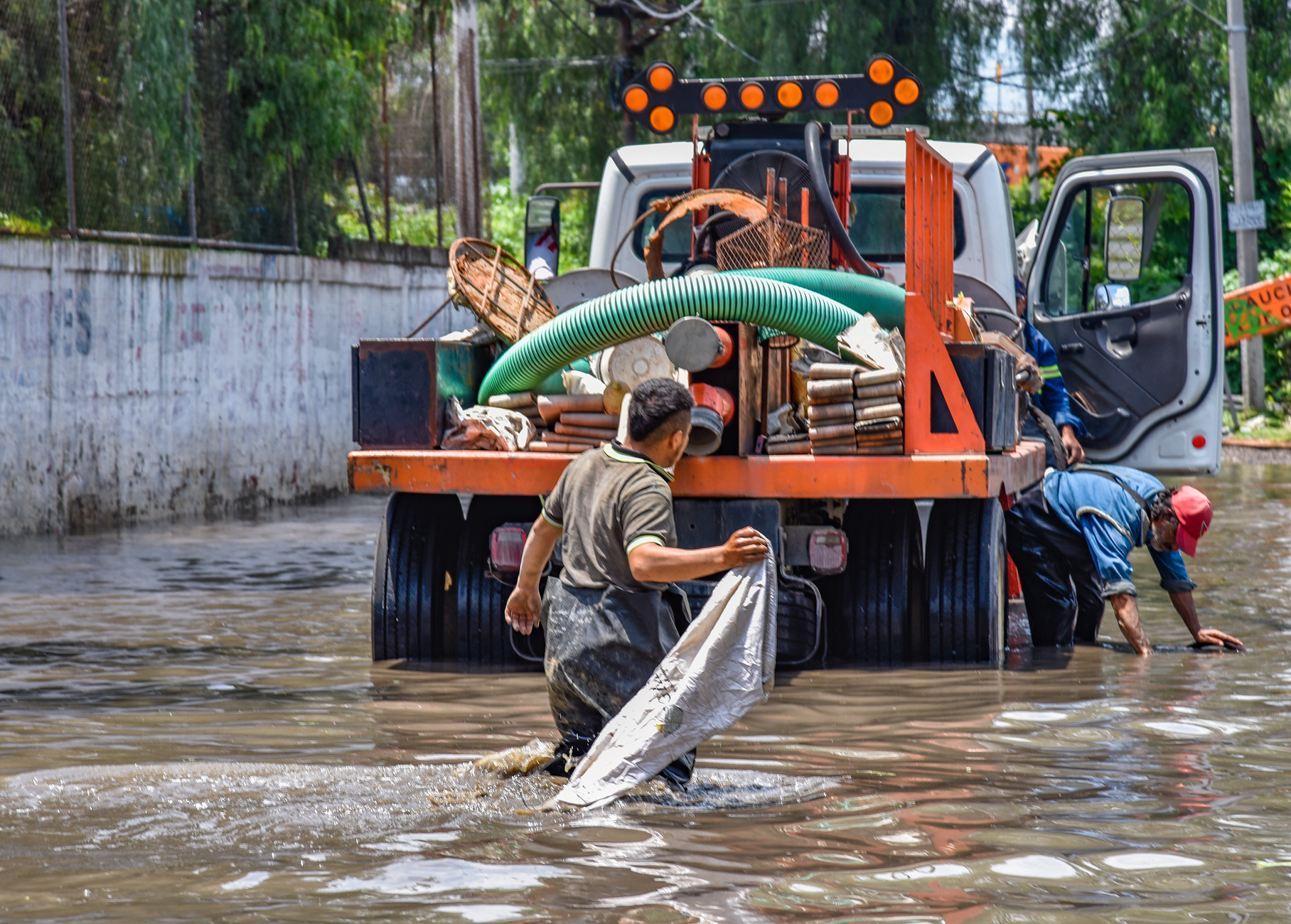
As the monsoon rains wreak havoc across Nepal, the country's already fragile health system is teetering on the brink of collapse. Recently, devastating floods have claimed the lives of at least 1,200 people in Nepal and neighbouring Tibet, according to local authorities. The catastrophe has laid bare the vulnerabilities of Nepal's healthcare infrastructure, with at least seven hospitals either completely destroyed or severely damaged.
For a nation still recovering from a decade-long civil war, the floods have exacerbated existing challenges. Unplanned and poorly regulated urbanisation has left many communities vulnerable, while the ongoing process of federalisation has stretched resources thin. The health system, which was already grappling with these structural changes, is now facing an unprecedented crisis.
The immediate impact of the floods is stark. Healthcare facilities, already under-resourced, are struggling to provide even the most basic services. With roads and bridges swept away, access to medical care has become a logistical nightmare, further hindering the humanitarian response. The lack of access to healthcare is particularly concerning in rural areas, where the majority of Nepal's population resides.
The government and private sectors are now under immense pressure to act swiftly. Emergency measures and long-term strategies are needed to prevent a total collapse. Experts argue that the current crisis could serve as a wake-up call, urging authorities to prioritise healthcare reform and disaster preparedness.
The ripple effects of this disaster are likely to be felt for years to come. Without significant investment and reform, Nepal's health system may struggle to withstand future crises. The floods have highlighted not only the immediate need for relief efforts but also the importance of building a resilient healthcare infrastructure.
In the face of adversity, Nepal's plight serves as a stark reminder of the urgent need for global cooperation and support. As the world watches, the focus must now turn to rebuilding and fortifying a health system that can weather the storms ahead.