Nepal's Health System Faces Unprecedented Flood Challenge
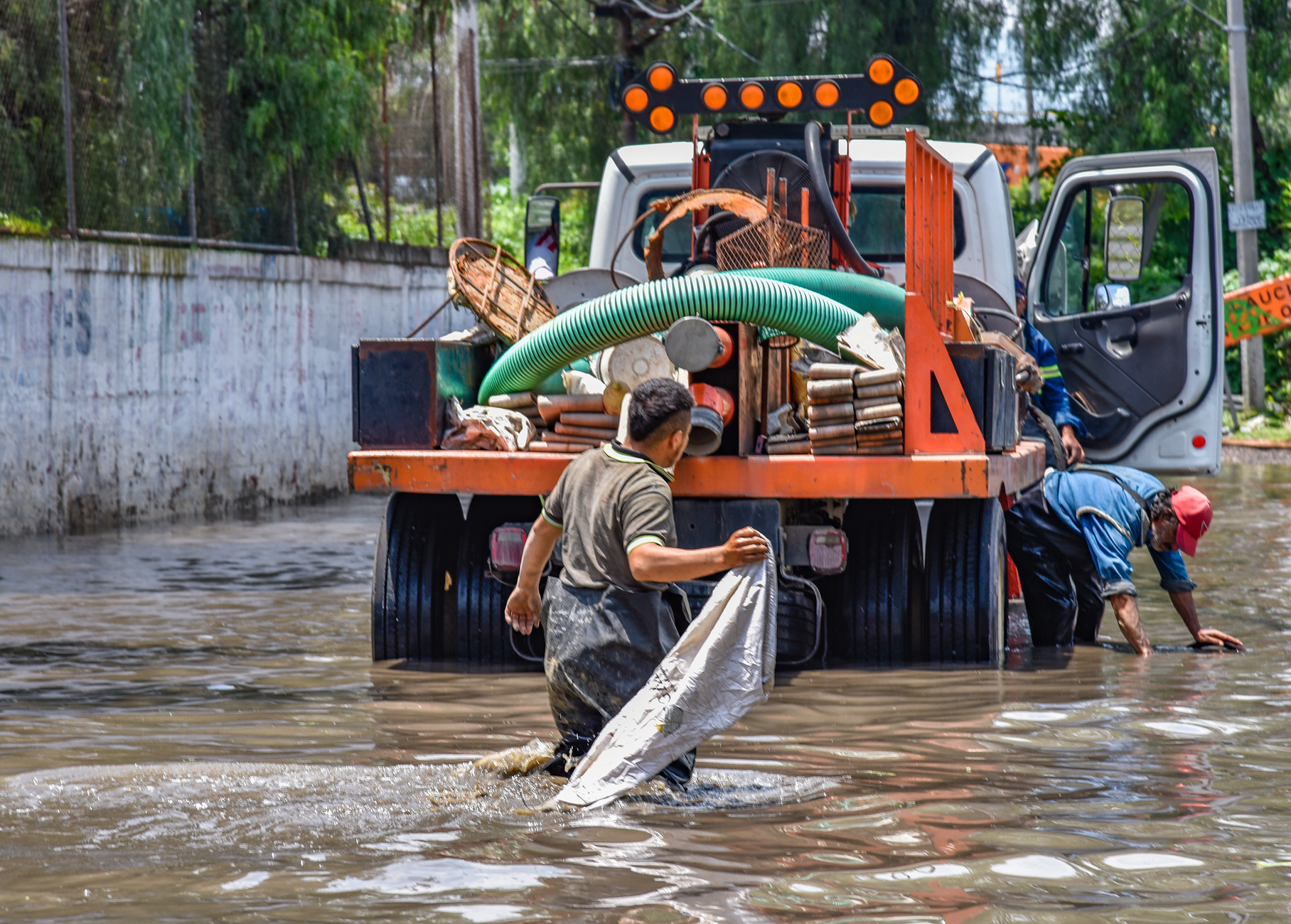
Amidst the aftermath of catastrophic flooding, Nepal's fragile health system finds itself at the epicentre of an escalating crisis. The deluge, which has tragically claimed the lives of over 1,200 individuals in Nepal and neighbouring Tibet, has left hospitals in tatters, exacerbating the strains on an already beleaguered healthcare infrastructure.
In the capital, Kathmandu, the scene is one of chaos and urgency. Medical staff are stretched to their limits, grappling with a surge in patients while contending with limited resources. Among the debris, the health system's lack of preparedness is starkly evident. Seven hospitals have been either destroyed or severely damaged, rendering them incapable of providing even basic care.
The Root of Vulnerability
The roots of this vulnerability trace back to years of underinvestment and political upheaval. A decade-long civil war left the nation's public health systems weakened, with infrastructure improvements often taking a back seat to political priorities. As a result, disaster preparedness has languished, leaving the system ill-prepared for natural calamities of this magnitude.
Moreover, Nepal's recent transition to a federal system has introduced complexities in governance, further complicating the coordination of health services during emergencies. This decentralisation, while aimed at improving local governance, has inadvertently led to fragmented health services, particularly in rural areas.
Call for Comprehensive Reform
As humanitarian aid trickles in, experts underscore the necessity of a comprehensive reform of Nepal's health system. Addressing infrastructure inadequacies, enhancing training for medical personnel, and establishing robust emergency protocols are critical steps in fortifying the system against future disasters.
Yet, these initiatives require not just international support, but a concerted effort from Nepal's own government. Without a strategic overhaul, the risk of a total systemic collapse during similar crises looms large. The current predicament serves as a sobering reminder of the imperative need for resilience in the face of increasingly frequent climatic challenges.