Nepal's Health System Struggles Amidst Catastrophic Floods
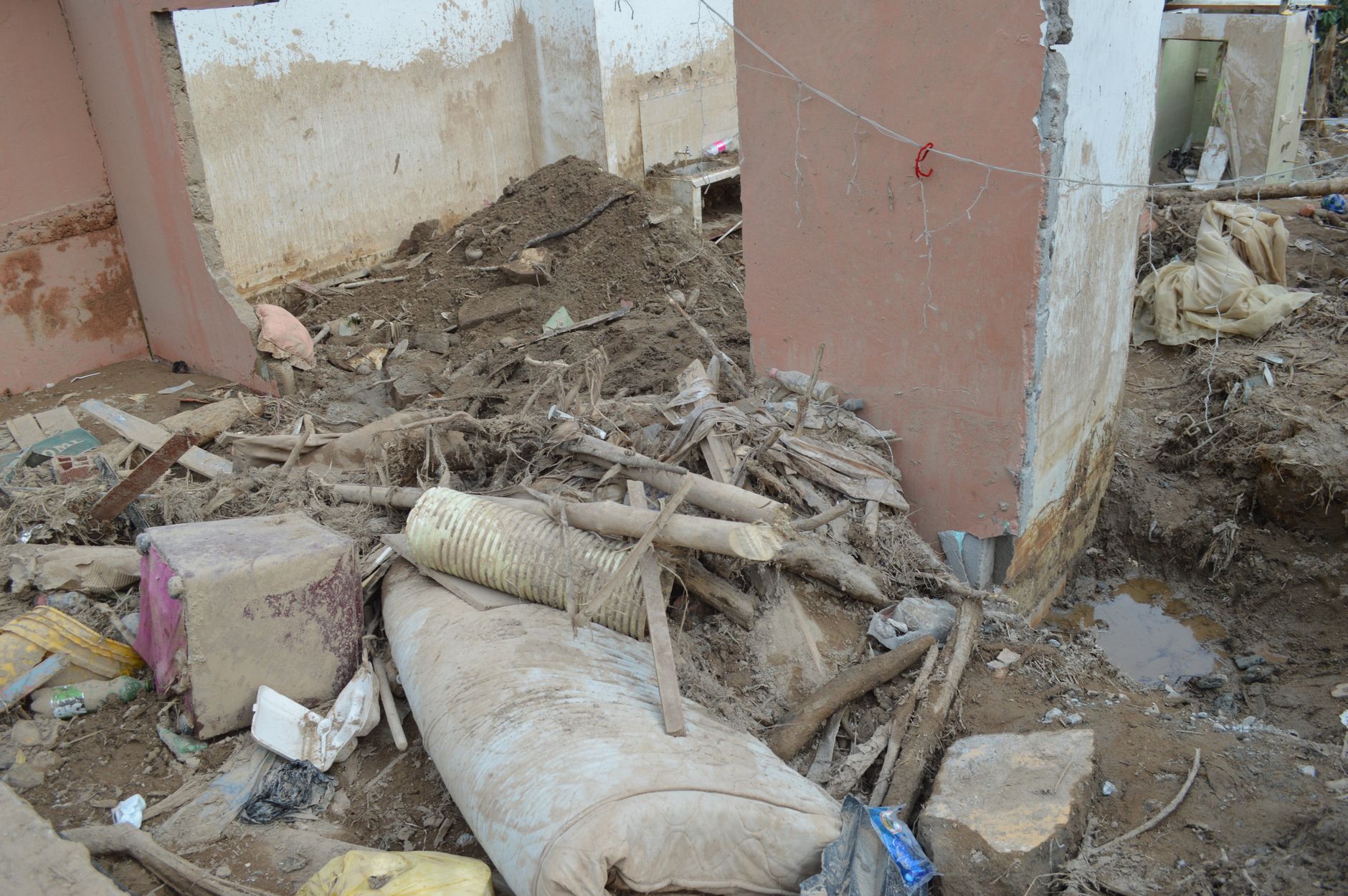
The sight of collapsed buildings and waterlogged streets in Nepal paints a grim picture of a nation caught off-guard by nature's fury. The recent floods, claiming over 1,200 lives, have not only left thousands homeless but have also laid bare the stark inadequacies of Nepal's health infrastructure.
Seven hospitals have been reduced to ruins, leaving the already fragile healthcare system gasping for breath. The immediate challenge is clear: without adequate medical facilities, the most basic healthcare services are now out of reach for many. Access to medical care has become a perilous journey, as roads are washed away and communication lines severed.
Historically, Nepal's health system has been teetering on the edge. A decade-long civil war left public health services in tatters, and rapid, unplanned urbanisation has compounded the problem, creating pockets of vulnerability across the country. This deluge has only added to the woes of a system struggling to adapt to the country's recent shift towards federalisation.
Systemic Challenges
While federalisation aims to decentralise power, bringing governance closer to the people, its implementation has been fraught with challenges. The primary health care system, still acclimatising to these changes, now faces the added burden of responding to an unforeseen disaster.
Moreover, the reliance on manual data management systems often leads to duplication of effort and inefficiency. Although strides have been made in managing infectious diseases, the health information system for non-communicable diseases remains underdeveloped, further straining resources in this crisis.
Looking Forward
The path to recovery will demand not just immediate relief efforts but also long-term strategic planning. Strengthening health information systems, investing in infrastructure, and ensuring effective implementation of federalisation are crucial steps towards resilience. The urgency of these reforms cannot be overstated if Nepal is to avert a total collapse of its healthcare system in future calamities.
In the midst of these challenges, the resilience of the Nepali people remains a beacon of hope. It is this indomitable spirit that will drive the nation forward, even as it grapples with the monumental task of rebuilding a shattered health system.