New Centres to Safeguard India's Classical Languages
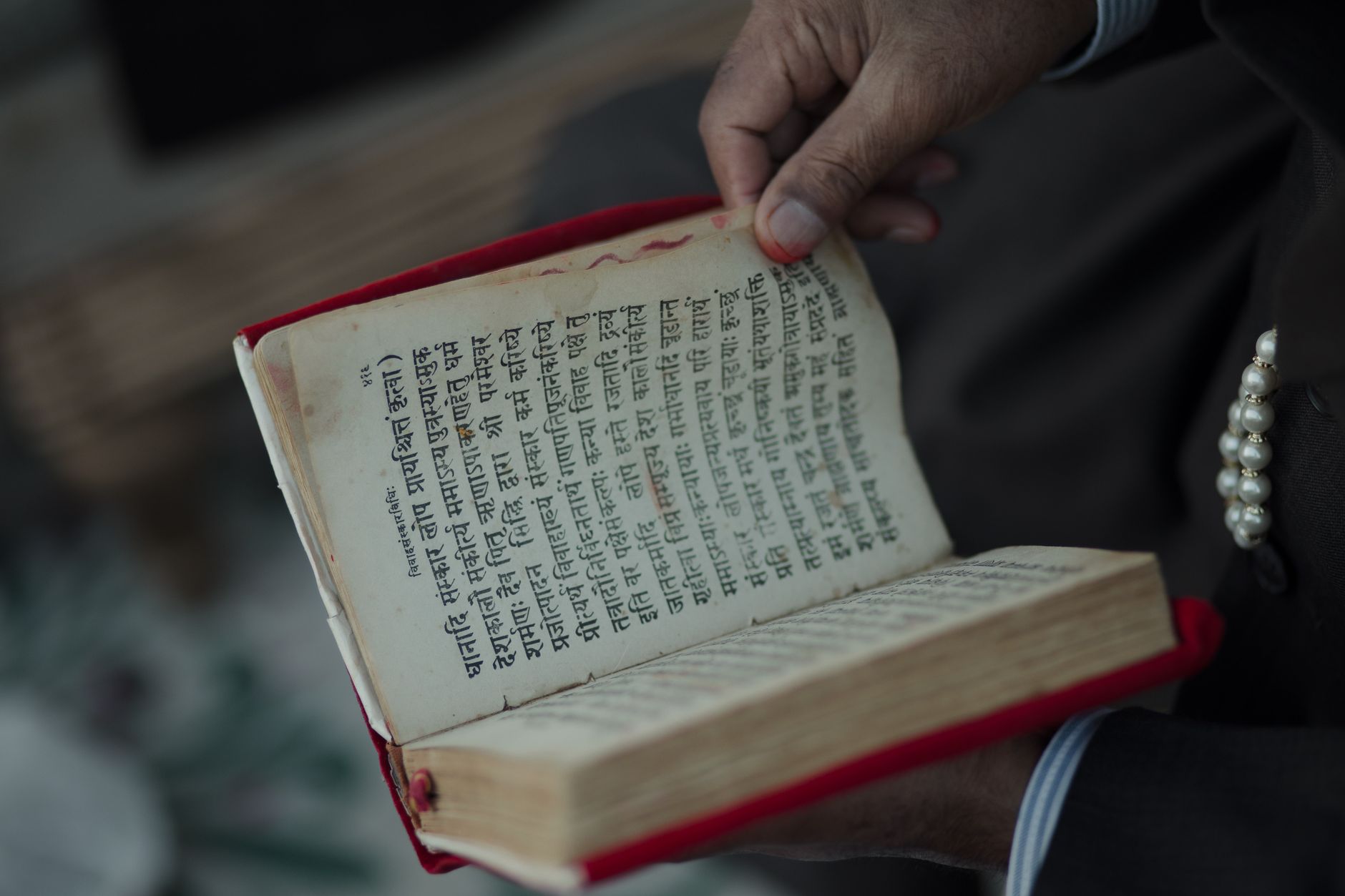
In an era where modernity often overshadows tradition, the Indian Ministry of Education has taken a decisive step to preserve the nation's rich linguistic tapestry. On 3rd October 2026, the ministry announced the establishment of five Centres of Excellence, each dedicated to a classical language: Assamese, Bengali, Marathi, Pali, and Prakrit.
These centres, strategically located across five states, aim to spearhead research, digitisation, and preservation efforts. They will play a crucial role in ensuring these languages, some of which are seldom used in daily discourse, do not fade into obscurity.
Preservation through Innovation
The initiative is not merely about preserving ancient scripts; it is about breathing new life into them. By digitising texts and promoting research, the centres will make these languages accessible to scholars and enthusiasts worldwide. This digitisation is expected to aid in the broader dissemination of the languages, encouraging a global audience to engage with India's linguistic heritage.
Moreover, the centres will organise workshops and seminars, fostering a community of learners and experts. Such interactions are hoped to inspire new generations to take an interest in these classical tongues, which are often repositories of ancient wisdom and cultural insights.
A Cultural Imperative
India's linguistic diversity is immense, yet many of its classical languages face the threat of extinction. The government's move to establish these centres reflects a broader cultural imperative: the recognition that losing a language means losing a part of the cultural identity.
By investing in these languages, the Ministry of Education aims to reinforce the cultural and historical consciousness of the nation. It's a reminder that while progress is necessary, it should not come at the cost of erasing the past.
As these centres begin their mission, they carry with them the hopes of millions who cherish India's diverse cultural and linguistic heritage. Their success could very well define the future of these classical languages, ensuring they remain a vibrant part of India's cultural mosaic.