New Education Secretary Appointed Amidst Exam Leak Furore
In the latest development shaking India's education sector, Naresh Pal Gangwar has stepped into the role of Higher Education Secretary, replacing Joshi who has been reassigned to the Panchayati Raj ministry. This administrative shuffle follows an uproar over leaked examination papers that disrupted the dreams of more than two million aspiring medical students.
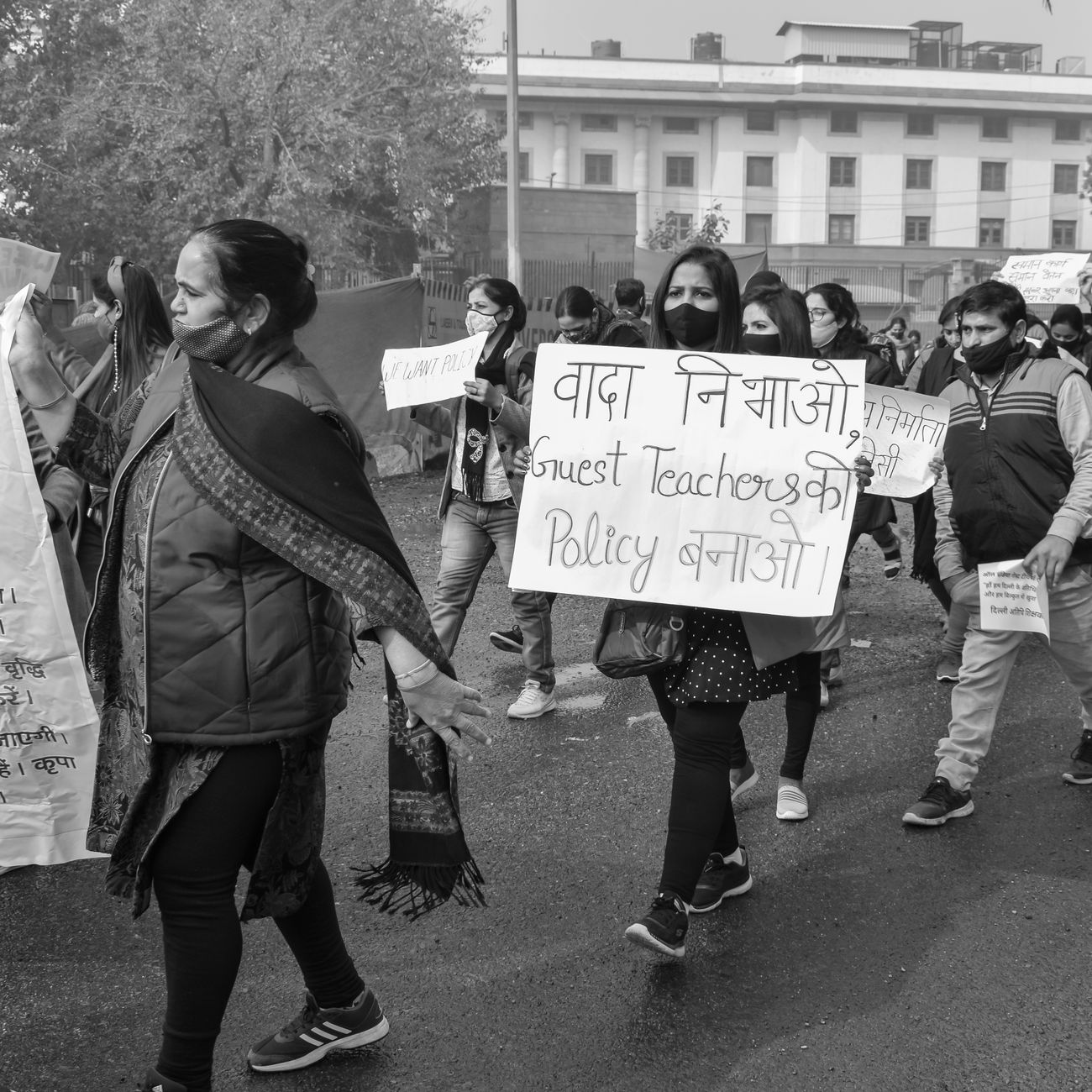
The scandal has sparked widespread protests, predominantly from youth-led organisations, demanding the resignation of the Union Education Minister. The outrage stems from a pattern of repeated examination irregularities which have not only burdened students psychologically but also financially. The effects of these leaks reverberate through households across the nation, highlighting the critical role a transparent examination system plays in educational integrity.
A System Under Siege
India's education framework, often lauded for its rigour and comprehensive approach, finds itself under scrutiny. The inability to safeguard examination content has led to growing calls for systemic reform. Critics argue that these leaks undermine the competitive spirit and fairness that the education system is supposed to embody.
While the immediate appointment of Gangwar is intended to pacify the public and restore some degree of faith in the system, experts suggest that a mere change in personnel is insufficient. They advocate for robust policy measures and technological interventions to prevent future breaches.
Public Trust at Stake
Every developed nation prides itself on a robust education system, one that is transparent and reliable. India's current predicament serves as a stark reminder that maintaining such standards is an ongoing challenge. The public's patience, frayed by repeated failures, now hinges on the government's ability to enforce meaningful change.
The coming months will be crucial as the new education secretary navigates a path fraught with expectation and scepticism. Restoring confidence in the examination process will require not only immediate solutions but also a commitment to long-term reforms. As India stands at this crossroads, the choices made today will determine the educational landscape for generations to come.