
New Findings Shake Up Earth’s Formation Theories
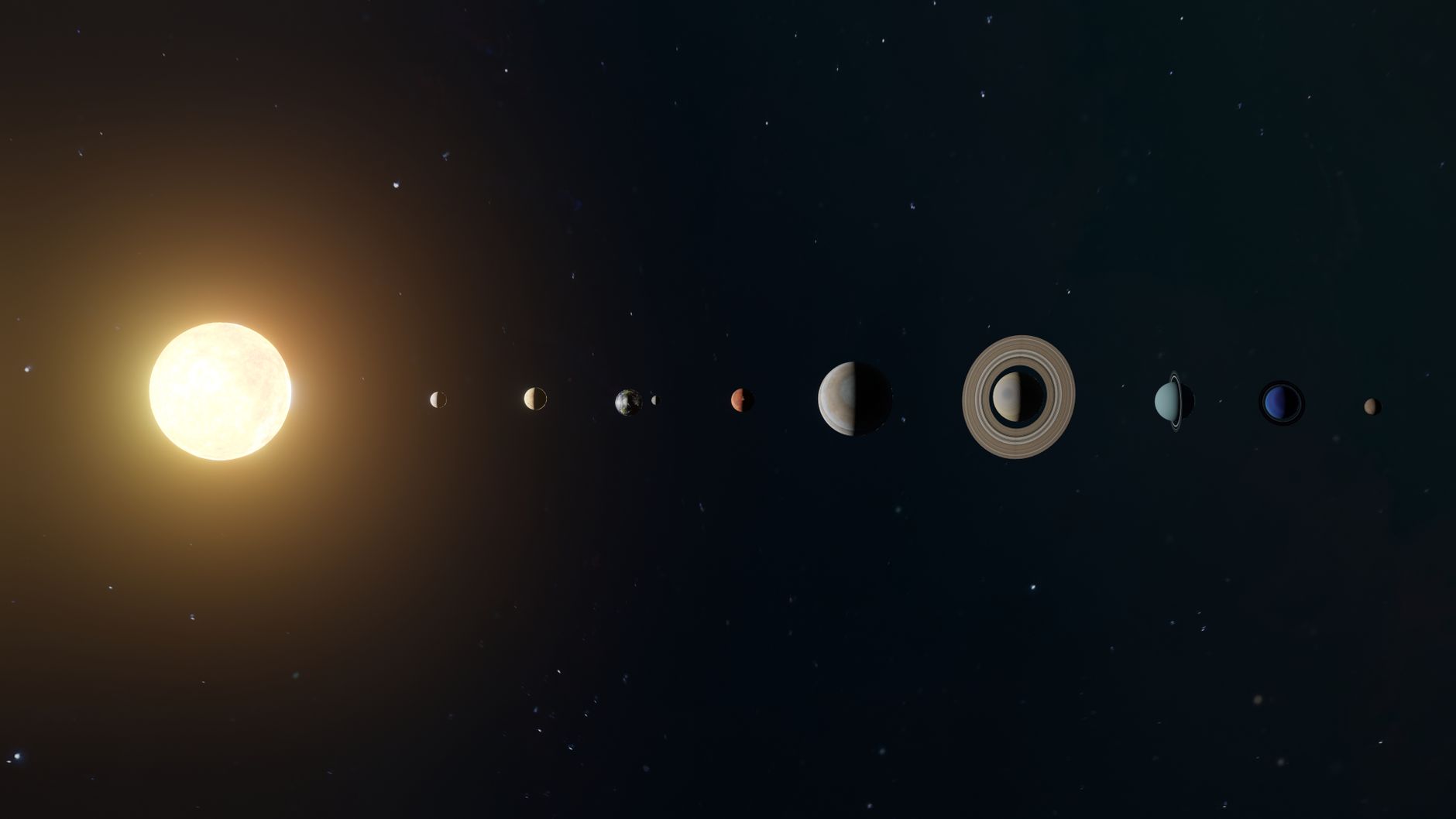
In a revelation that has left the scientific community reeling, researchers from ETH Zurich have unveiled findings that could rewrite the history of Earth's formation. Their study suggests that the materials constituting our planet derive solely from the inner solar system, a stark departure from the long-held belief that Earth was formed from a mix of cosmic debris, including meteorites from various solar regions.
This discovery has profound implications for our understanding of planetary formation. Chief among them is the conundrum of Earth's water. If our planet's building blocks are indigenous to the inner solar system, the question arises: how did water, a critical component for life, come to exist in such abundance?
Dr. Bower, one of the lead researchers, expressed his astonishment, stating, "We were truly taken aback to find that the Earth is composed entirely of material from the inner Solar System, distinct from any combination of existing meteorites." This insight challenges the established narrative and opens new avenues for exploration, particularly concerning the origins of water.
Broader Implications for Exoplanetary Studies
This revelation extends beyond our solar system, prompting scientists to reconsider theories about planet formation in distant star systems. If Earth's formation is unique, what does this mean for planets orbiting other stars? Could they too be formed from materials within their immediate vicinity?
The study utilised advanced modelling techniques and a comprehensive analysis of isotopic compositions, which revealed the distinct signature of Earth's materials. The findings challenge the notion that celestial bodies are formed from a homogeneous mix of interstellar matter.
While the discovery is monumental, it also underscores the need for further research. As scientists delve deeper into the origins of our planet, they may uncover more surprises that could reshape our understanding of the universe itself.


