New Health Guidelines Aim to Revolutionise PMOS Diagnosis
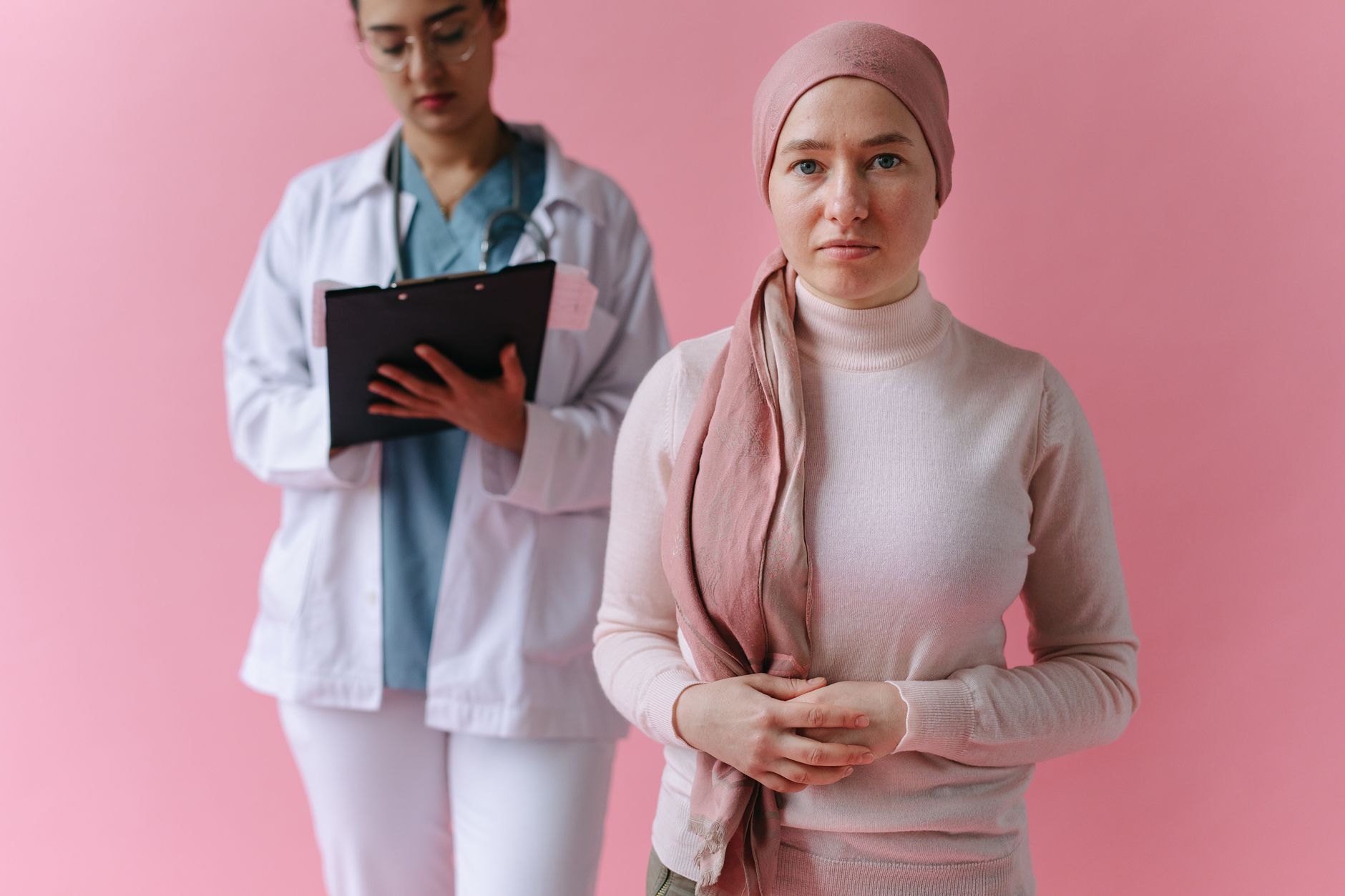
In a move that could transform the lives of millions of women across the UK, new guidelines have been introduced that aim to enhance the diagnosis and management of Polyendocrine Metabolic Ovarian Syndrome (PMOS). With an estimated 3-4 million women affected by this condition, the annual health checks are seen as a vital step towards ensuring that the symptoms are identified and treated much earlier.
PMOS is not just a matter of reproductive health; it encompasses a range of hormonal and metabolic issues that can significantly impact a woman's overall wellbeing. These new guidelines urge healthcare providers to adopt a more comprehensive approach, looking beyond the ovaries to consider cardiovascular, metabolic, and mental health aspects associated with the syndrome.
Annual Health Checks: A New Dawn
The proposed yearly review will focus on monitoring cardiovascular health, diabetes, obesity, and mental health. This holistic examination hopes to catch the condition's complications before they become severe, ultimately improving patient outcomes.
For many women, PMOS symptoms appear post-puberty but often remain undiagnosed until they face fertility challenges in their twenties or thirties. Infertility, one of the most distressing consequences of PMOS, often stems from an inability to ovulate. However, with timely intervention, ovulation can be induced using medication, offering hope to those wishing to start a family.
Recognition and Treatment
The guidelines also clarify that women meeting the standard NICE criteria for IVF should be offered this treatment. By officially recognising PMOS, there is a concerted effort to de-stigmatise the condition and promote understanding among healthcare professionals and the public alike.
In conclusion, the renaming and reframing of PCOS to PMOS by the ASRM is a significant step forward. It acknowledges the complex interplay of hormonal and metabolic factors, thus paving the way for better awareness, diagnosis, and care. As the medical community begins to embrace these changes, women across the UK are hopeful that their health concerns will finally be taken seriously.