New Horizons: A Shift from Kuiper Belt to Heliospheric Science?
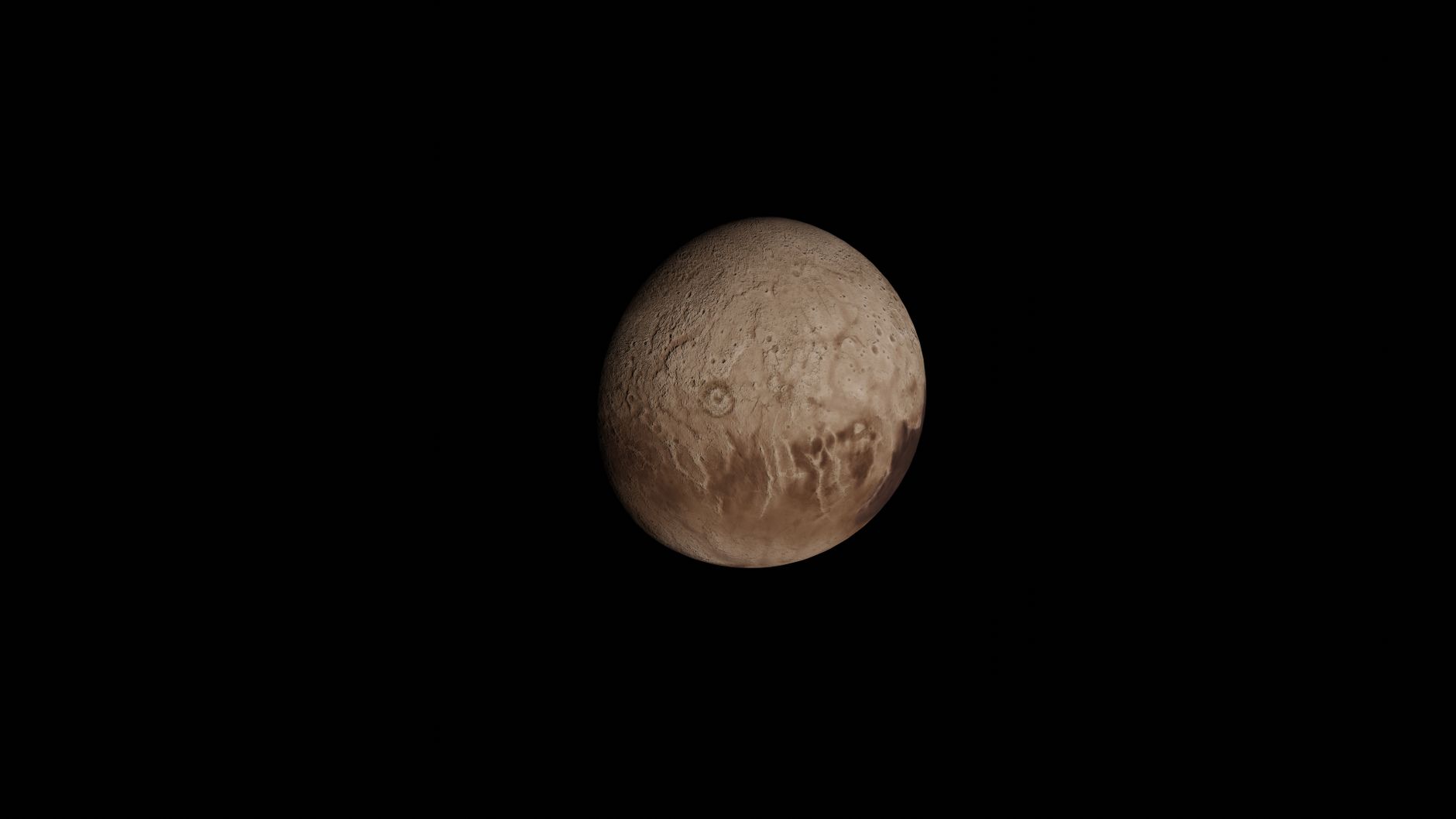
In the vastness of space, where distances are measured in billions of miles, the New Horizons spacecraft has been a beacon of scientific ambition. Launched in 2006, its crowning achievement came in 2015 when it provided the first close-up images of Pluto, revealing a world more dynamic and complex than ever imagined. Since then, New Horizons has been navigating the icy realms of the Kuiper Belt, continuing to gather valuable data on these distant celestial bodies.
However, whispers of change are in the air. NASA is contemplating repurposing the New Horizons mission to focus on heliospheric science. This shift would see the spacecraft turn its instruments towards studying the vast bubble-like region of space influenced by the solar wind. Such a transition, while still in the discussion phase, could offer unprecedented insights into the boundary between our solar system and interstellar space.
The Case for Change
Proponents of the change argue that New Horizons, having surpassed its primary mission, is uniquely positioned to contribute to heliospheric science. The spacecraft's robust design and operational health offer a rare opportunity to extend its mission life and explore new scientific frontiers. With its current trajectory taking it further from the Sun, the potential to study solar wind interactions becomes increasingly appealing.
Yet, this proposal is not without its critics. Detractors point out that the spacecraft is operating well beyond its intended lifespan, and resources might be better allocated to newer missions like the upcoming Dragonfly, which promises groundbreaking exploration of Saturn's moon, Titan. The financial implications, too, are not negligible, with the proposed shift requiring careful consideration of budgetary constraints.
Balancing Priorities
The debate underscores a broader challenge in space exploration: balancing the allure of new missions with the continued potential of existing ones. While the New Horizons mission has already delivered more than could have been hoped for, the opportunity to pivot its focus illustrates the flexibility and adaptability required in the ever-evolving field of astrophysics.
As NASA's Science Mission Directorate gathers input on this possible transition, the scientific community watches keenly. The decision, whatever it may be, will likely set a precedent for how ageing yet capable spacecraft are utilised in future explorations. For now, New Horizons continues its journey through the Kuiper Belt, a silent testament to human curiosity and ingenuity, poised on the brink of a possible new era of discovery.