New Test Could Identify Mammals Most at Risk from Climate Change
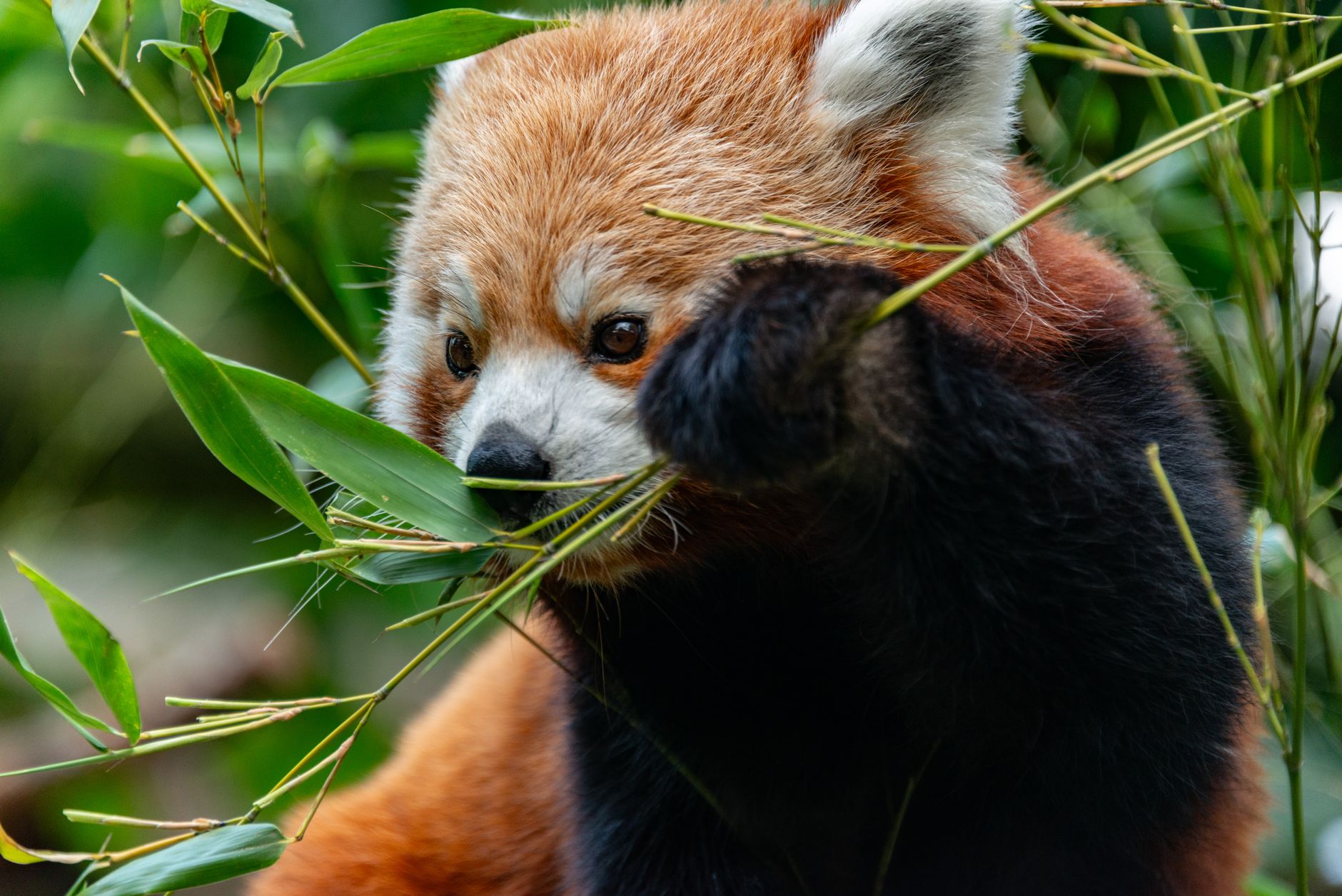
In a groundbreaking study, scientists have proposed a simple yet effective test designed to pinpoint which mammal species are most susceptible to the ravages of climate change. As the world grapples with rising temperatures and the ensuing ecological upheaval, this research offers a glimmer of hope for conservationists striving to protect biodiversity.
The test, which synthesises data from a handful of studies linking climate variables to mammalian demographic rates, sheds light on a crucial, yet often overlooked, aspect of conservation biology. Despite the vast array of mammal species - from the diminutive bumblebee bat to the colossal blue whale - only a mere 87 species, less than one percent of terrestrial mammals, have been thoroughly analysed.
A Looming Crisis
Many mammals are struggling to adapt to rapidly changing habitats due to climate-induced shifts. This includes alterations in food availability, habitat conditions, and migration patterns. The study highlights these species' unique vulnerabilities, which are often exacerbated by urbanisation and human activity. Intriguingly, some mammals are even growing larger in cities, contrary to previous assumptions that urban environments would lead to smaller sizes.
The implications of these findings are profound. By identifying the species most at risk, conservation efforts can be more strategically targeted, potentially averting extinction for some of the planet's most vulnerable inhabitants.
Filling the Data Gaps
One of the critical challenges in this endeavour is the significant data gap that exists not just for many mammalian species, but for other animal groups such as insects and amphibians as well. The need for comprehensive data is urgent if scientists are to develop effective strategies for mitigating the impacts of climate change on wildlife.
As the planet continues to warm, the pressure mounts on the scientific community to innovate and adapt. This latest study marks a step forward, but the journey towards safeguarding Earth's rich tapestry of life is far from over.