NHRC Probes Karnataka's Response to Monkey Fever Deaths
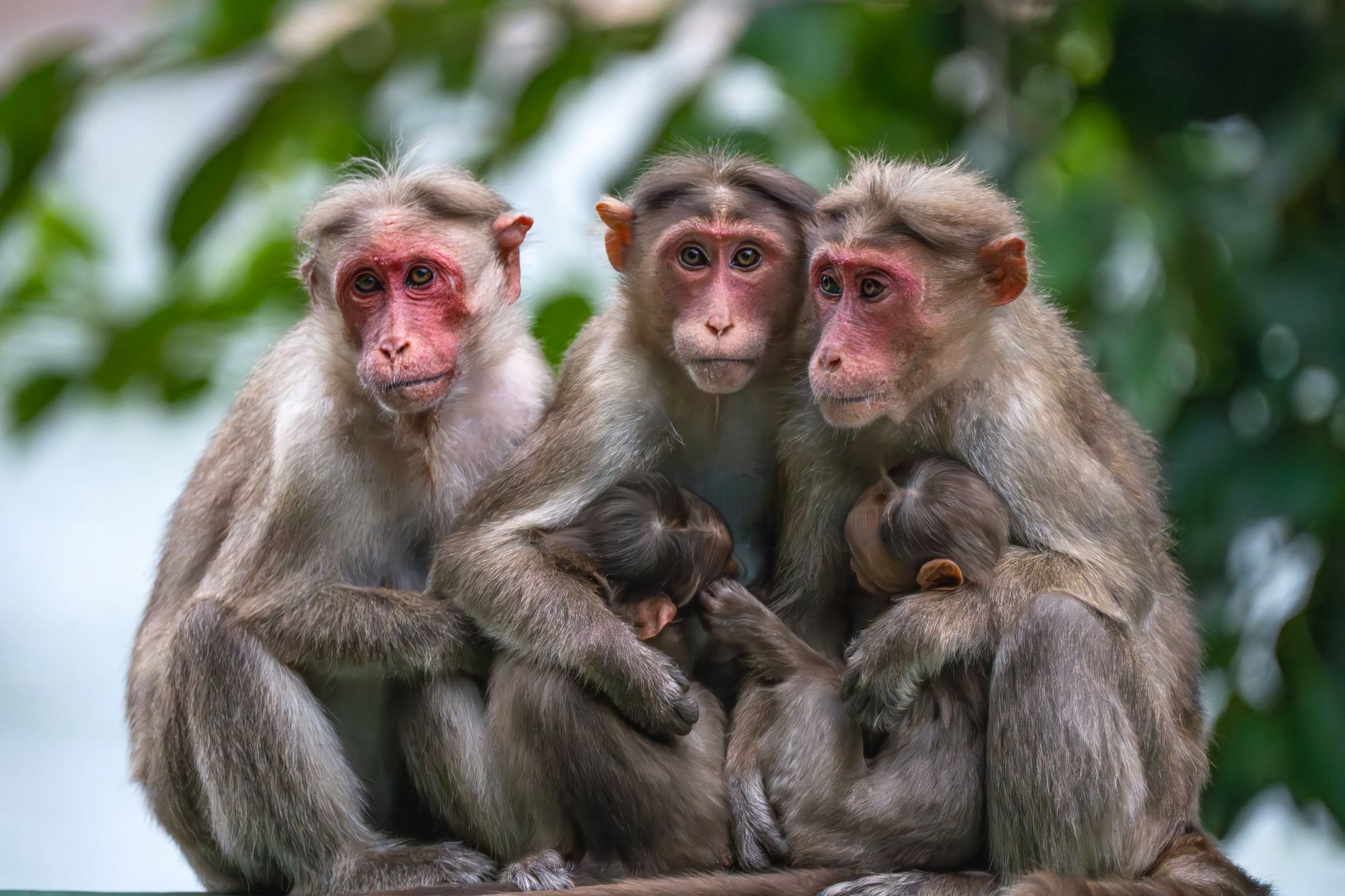
In a move that signals serious concern, the National Human Rights Commission (NHRC) has demanded an action taken report (ATR) from the Karnataka government following the death of an individual due to monkey fever, also known as Kyasanur Forest Disease (KFD). This request comes amid allegations of significant healthcare lapses in the region.
The NHRC's inquiry is driven by complaints that healthcare facilities in the affected areas are grossly inadequate. Monkey fever, a tick-borne viral haemorrhagic disease, is endemic to parts of Karnataka, and recent fatalities have raised alarms about the state's preparedness in managing outbreaks.
Healthcare Under Scrutiny
The NHRC's involvement highlights systemic challenges in rural healthcare infrastructure. Despite previous outbreaks, there seems to be a lack of sustained efforts to bolster healthcare systems in vulnerable regions. The commission's demand for an ATR from the state government is a call to action to address these deficiencies.
Monkey fever primarily affects people living in or near forested areas, where ticks thrive. Patients often suffer from high fever, headaches, and muscle pain. Without timely intervention, the disease can be fatal. The recent death has brought these issues to the forefront, with critics pointing to a lack of awareness and insufficient vaccination drives.
Lessons from the Past
This is not the first time NHRC has stepped in to demand accountability in healthcare. Similar actions have been taken in response to other public health crises across India. The commission's role in advocating for better health services is crucial, particularly in regions where access to medical care is limited.
The current situation in Karnataka serves as a potent reminder of the gaps in public health infrastructure that need urgent attention. With the NHRC now involved, there is hope that the state will prioritise healthcare reforms, ensuring that such preventable tragedies do not recur.
As the government prepares its report, the watchful eyes of the NHRC—and indeed, the public—await to see if this incident will lead to meaningful change in Karnataka's healthcare approach to tackling diseases like monkey fever.