
Nikolai Vavilov: The Unsung Hero of Crop Conservation
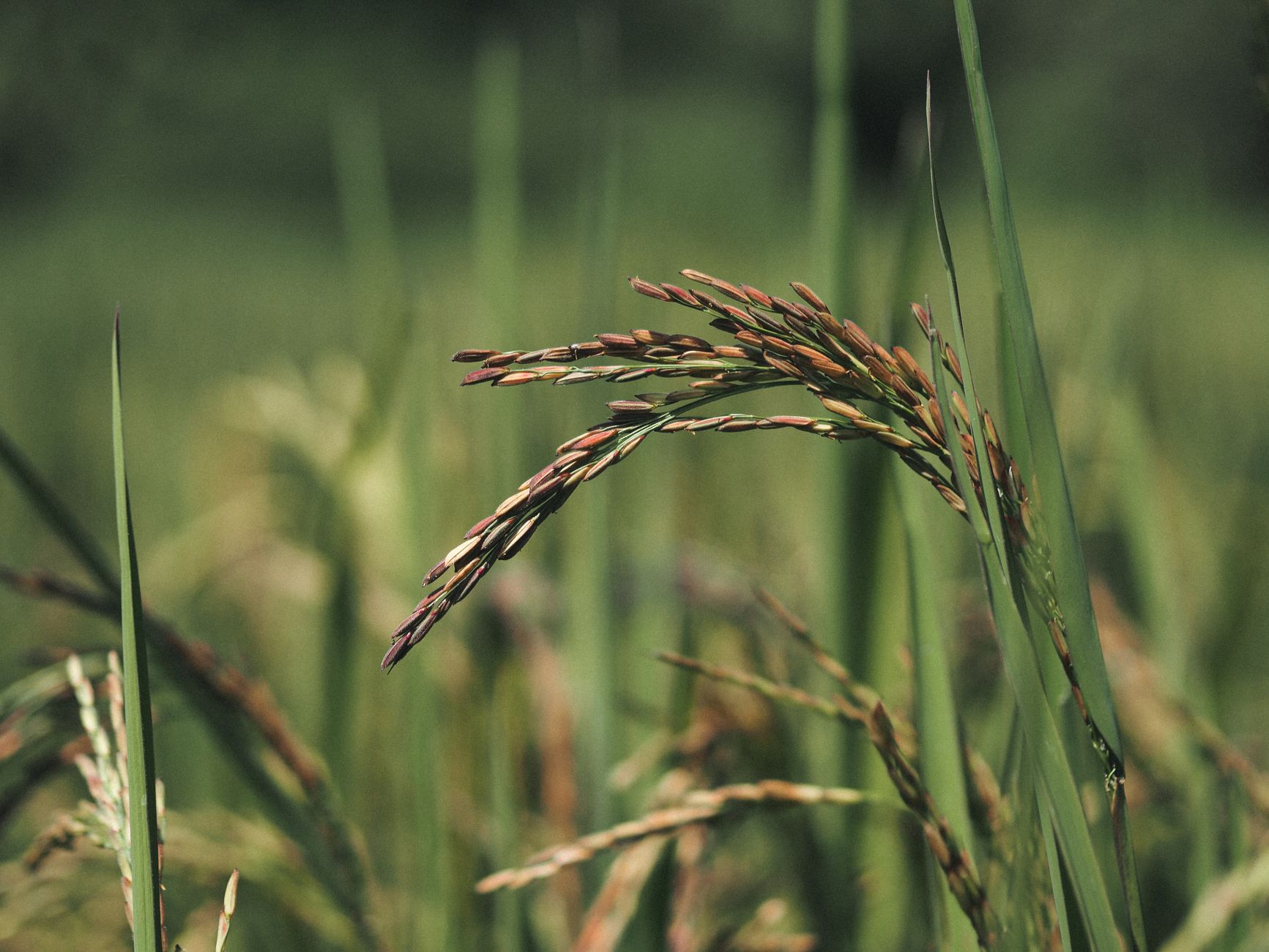
In the annals of agricultural science, few figures loom as large yet remain as unsung as Nikolai Vavilov. Born into a family where crop failures were not merely academic concerns but a harsh reality, Vavilov dedicated his life to eradicating famine. His passion for ending hunger was not merely a personal quest but a scientific mission that would change the world.
Vavilov's journey began in earnest with his establishment of the first global seed bank, a concept that was groundbreaking in its foresight. At a time when the world was only starting to grapple with the implications of biodiversity loss, Vavilov was already travelling the globe, collecting seeds from the most remote corners of the planet.
A Visionary Approach
His 1926 paper, Studies on the Origin of Cultivated Plants, laid the groundwork for modern crop conservation. Vavilov's theory of centres of origin, which identified regions where specific plants first evolved, was revolutionary. It provided a blueprint for understanding plant diversity and the need to preserve it.
These centres of origin, Vavilov argued, were reservoirs of genetic diversity crucial for breeding resilient crops. This insight has proved invaluable as climate change and population growth place unprecedented pressures on global food supplies.
Legacy and Influence
Despite his significant contributions, Vavilov's career was not without its challenges. He faced political persecution under Stalin's regime, ultimately leading to his imprisonment and death in 1943. Yet, his scientific legacy survived. Today, his work underpins efforts to conserve crop wild relatives, essential for developing new varieties that can withstand environmental stresses.
From the seed banks of Norway to the research fields of India, Vavilov's influence is omnipresent. His vision of a world where famine is but a historical footnote continues to inspire scientists and policymakers alike, as they strive to ensure food security for future generations.


