Nobel Economics Prize Celebrates Hall and Woodford's New Keynesian Insights
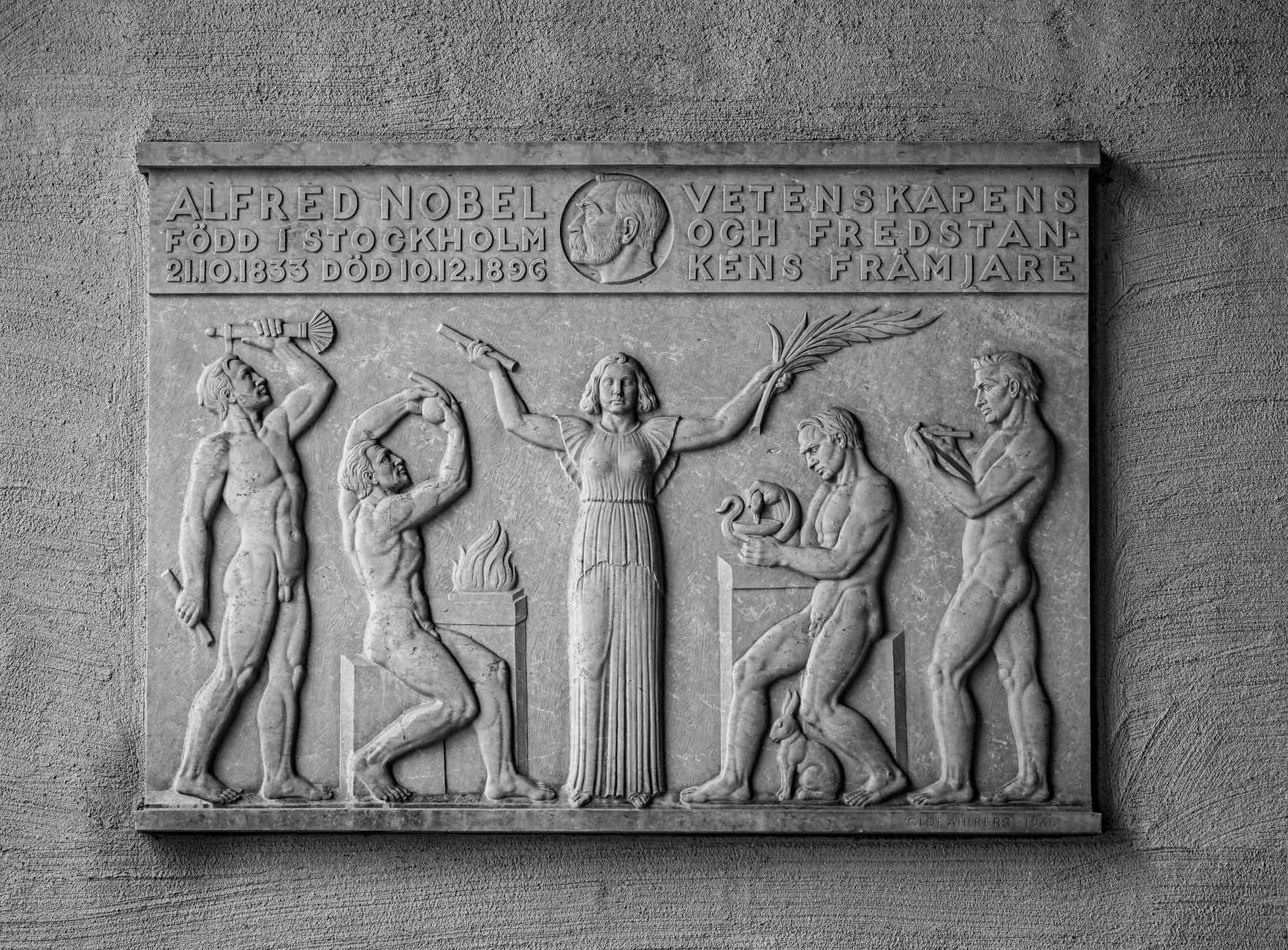
The world of economics is abuzz with the news that Robert Hall and Michael Woodford have been awarded the Nobel Prize in Economics for their groundbreaking work on New Keynesian models. This recognition underscores the critical role these models play in shaping contemporary economic thought, particularly in understanding inflation dynamics and the conduct of monetary policy.
New Keynesian economics, a school of thought that emerged in the late 20th century, builds upon the foundational ideas of John Maynard Keynes. It introduces elements such as price and wage stickiness, which help to explain why markets do not always clear and why monetary policy can have real effects on the economy. Hall and Woodford's work has been instrumental in refining these models, making them more applicable to modern economic challenges.
Impact on Central Banking
Their contributions have profoundly influenced central banking strategies across the globe. By incorporating aspects like imperfect competition and nominal rigidities, New Keynesian models provide a more realistic framework for policymakers. Central banks, including the Federal Reserve and the European Central Bank, have adopted these models to better predict economic fluctuations and to tailor their responses accordingly.
Beyond academic circles, the practical implications of Hall and Woodford's research are evident in how nations tackle inflation and economic instability. By recognising the importance of expectations and the role of central bank communication, their work has paved the way for more transparent and effective policy measures.
A Continuing Legacy
As the global economy faces new challenges, the relevance of New Keynesian models remains undiminished. They offer valuable insights into how economies can recover from downturns and sustain growth in the face of shocks. While the models are not without their critics, who argue that they may oversimplify complex interactions, their influence is undeniable.
In awarding the Nobel Prize to Hall and Woodford, the committee has not only honoured their past contributions but also highlighted the enduring significance of their work in navigating the economic uncertainties of the future.