
Nobel Prize for Chemistry 2026 Celebrates Mirrored Molecule Breakthrough
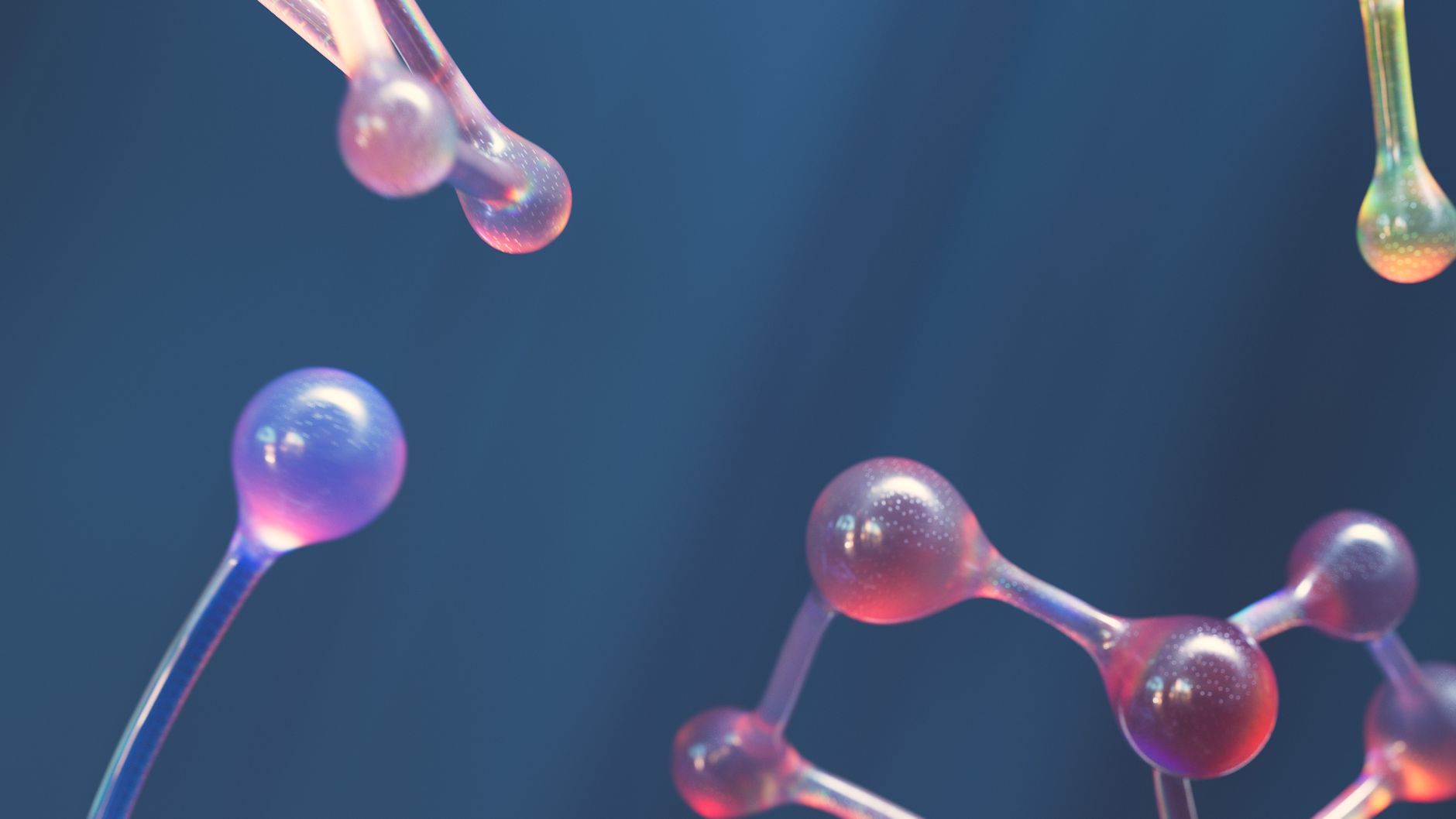
On a crisp Swedish morning, the Royal Swedish Academy of Sciences announced the 2026 Nobel Prize in Chemistry, bestowing the honour upon Henri B. Kagan and Kenso Soai. The duo's groundbreaking work in the field of chirality – the study of molecular asymmetry – has unravelled a mystery that has long intrigued scientists worldwide.
Chirality refers to the property of asymmetry where molecules exist as non-superimposable mirror images, much like a pair of gloves or the human hands. This characteristic is not just a scientific curiosity; it is fundamental to life itself. Many biological molecules, including amino acids and sugars, exhibit this property, and the specific orientation can significantly influence biological function.
Kagan and Soai's research has elucidated how these mirrored molecules emerge, shedding light on a natural phenomenon that has puzzled chemists for decades. Their findings are particularly momentous for the pharmaceutical industry. In drug manufacturing, the orientation of molecules can be the difference between a life-saving treatment and an ineffective compound. Thus, understanding and manipulating chirality is crucial for developing new medications.
The pair will share the prize of 12 million Swedish kronor, an accolade that acknowledges their contribution to chemistry and its applications. The implications of their research extend far beyond pharmaceuticals. As industries strive for precision in material science, the understanding of chirality offers new pathways for innovation.
This Nobel Prize not only honours Kagan and Soai but also highlights the importance of curiosity-driven research in solving practical problems. As we continue to unlock the secrets of the molecular world, the possibilities for scientific advancement seem as limitless as the universe itself.


