
Nobel Prize Honours Revolutionary Brain Research
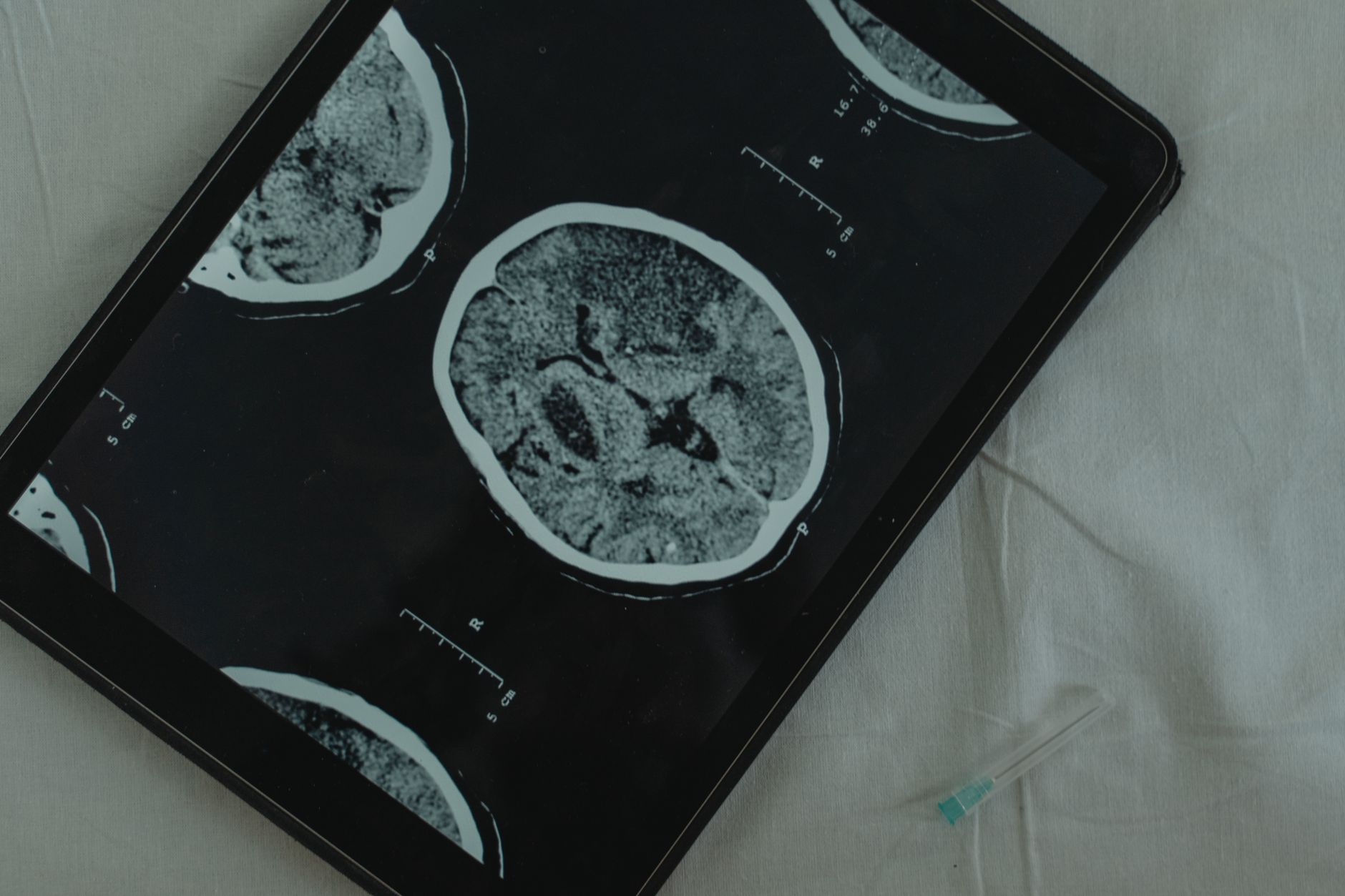
In a realm where the enigmatic complexities of the human brain continue to baffle and inspire scientists, this year's Nobel Prize in Physiology or Medicine has been awarded to three pioneering researchers whose work may well illuminate the very pathways of thought and consciousness. Karl Deisseroth, Peter Hegemann, and Georg Nagel have been jointly honoured with the prestigious accolade for their revolutionary contributions to the field of optogenetics.
Optogenetics, a term that might seem arcane to the uninitiated, is a cutting-edge technique that involves the use of light to control neurons, those fundamental units of the nervous system. At the heart of this innovation lies the discovery of channelrhodopsin, a protein that acts as a light-sensitive switch for nerve cells. By harnessing this mechanism, researchers can now activate or silence specific neurons with remarkable precision.
Such capabilities have opened new avenues in neuroscience, offering unprecedented insights into the workings of the brain. The potential applications are vast, from exploring the intricate dance of neural circuits to paving the way for novel treatments of neurological disorders such as Parkinson's disease and epilepsy.
Professor Deisseroth, one of the laureates, remarked, 'The ability to control neuronal activity with light has transformed our understanding of brain function, and we're just beginning to scratch the surface of its full potential.' His fellow laureate, Professor Hegemann, added, 'This journey, which began with a curiosity about how simple algae respond to light, has led to profound implications for understanding human cognition.'
The Nobel Committee's decision to award the prize to this trio underscores the profound impact of their work on both the scientific community and the broader understanding of the brain. As the first of the Nobel announcements, this award sets a high bar for the following honours in physics, chemistry, literature, peace, and economics.
This recognition not only celebrates the triumph of scientific inquiry but also holds the promise of transforming how we perceive and treat the most intricate of human organs—the brain. It is a testament to how far we have come, and yet, how much further we have to go in unravelling the mysteries of the mind.


