Nobel Prize in Chemistry 2026: Unravelling the Mystery of Mirrored Molecules
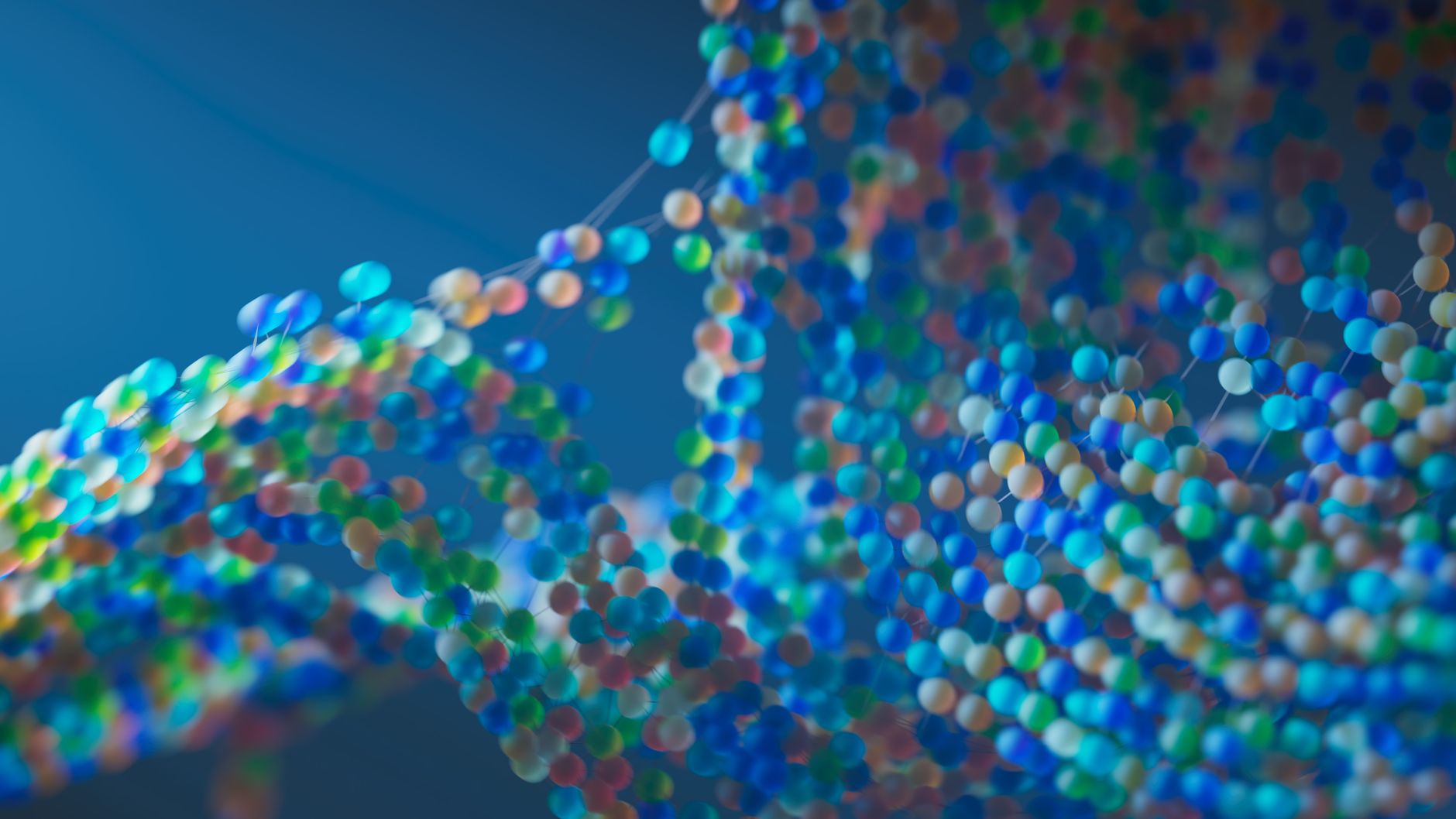
In a decision that has both delighted the scientific community and shed light on one of chemistry's enduring puzzles, Henri B. Kagan and Kenso Soai have been awarded the 2026 Nobel Prize in Chemistry. Their groundbreaking work on the phenomenon of molecular asymmetry, specifically how 'mirror image' molecules, or enantiomers, can form predominantly in one orientation, has been seminal.
These 'mirrored molecules', although identical in composition, can have vastly different properties. The distinction, known as chirality, is not just academic; it is vital for life's chemistry. Most organisms utilise only one of these mirror images, a feature known as homochirality. Kagan and Soai's research elucidates how such asymmetrical molecules arise, shedding light on processes that are fundamental to life itself.
The Heart of the Discovery
Their work centres on chemical reactions that produce enantiomers. Traditionally, achieving a specific chiral outcome required catalysts or environments that favour one form over another. Kagan and Soai identified mechanisms through which reactions naturally prefer one orientation, without external influence. This insight is crucial because it explains how life's molecules could have developed their specific orientations in primordial times, potentially answering deep questions about the origins of life.
Pharmaceuticals have been a significant beneficiary of this research. Many drugs consist of chiral molecules, where only one form provides the desired therapeutic effect. Understanding how to control chirality can lead to more efficient production processes and safer, more effective medications. The duo's discovery, therefore, has far-reaching implications for drug manufacturing, offering new pathways to synthesize drugs with precision.
Global Recognition
In awarding the prize, the Nobel Committee highlighted the practical and theoretical importance of Kagan and Soai's work. It is a testament to the power of fundamental science to drive innovation and address some of the most pressing challenges in medicine and biology.
As the world grapples with complex health issues, the ability to produce drugs more efficiently and safely becomes ever more critical. Kagan and Soai's contributions are a beacon of what persistent inquiry and collaboration across borders can achieve. Their work not only answers a long-standing scientific question but also paves the way for future innovations in chemistry and biotechnology.