Norfolk Nature Levy Faces Backlash from Environmentalists
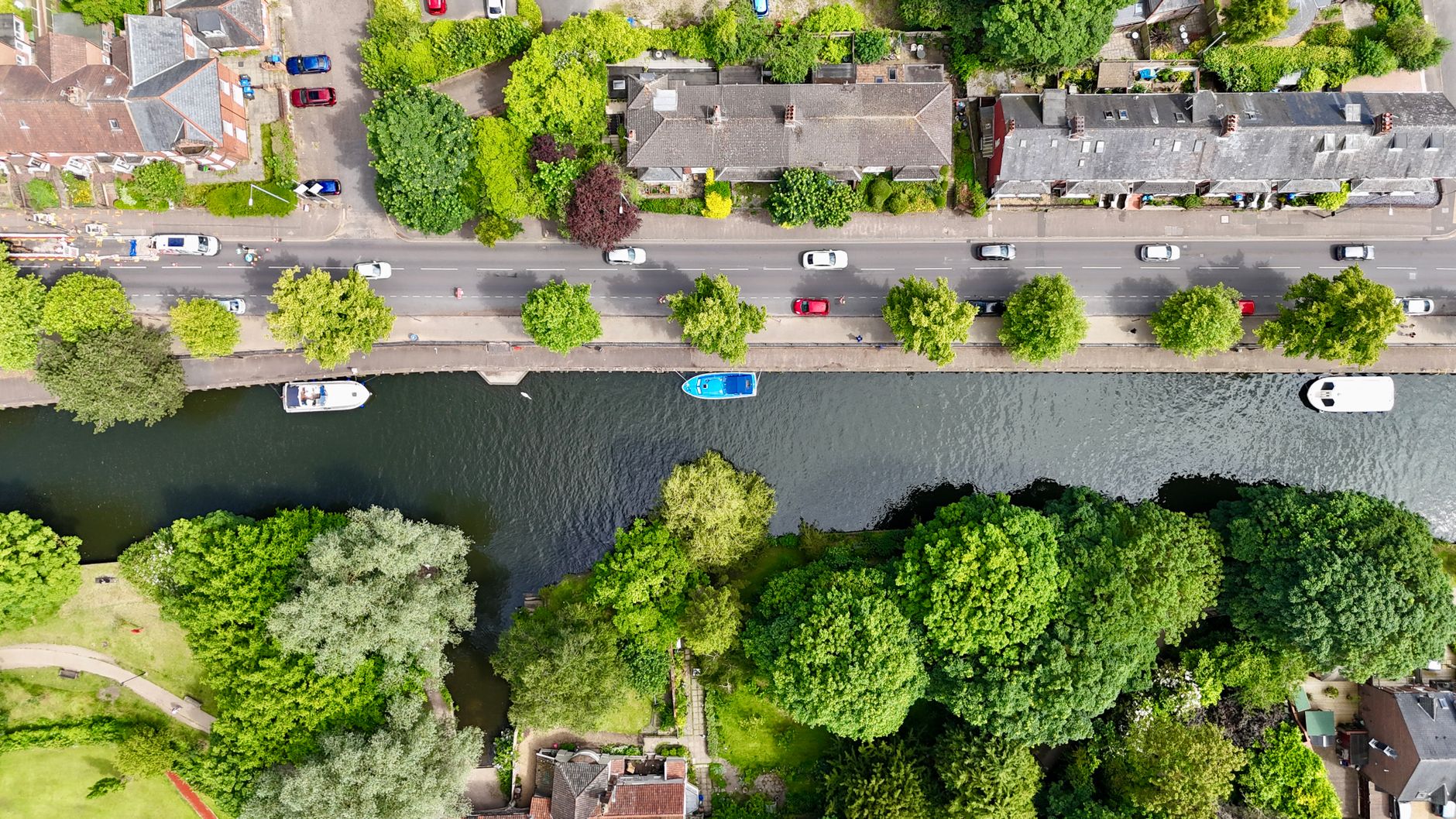
In the idyllic countryside of Norfolk, where the placid waterways of the Broads meander through lush greenery, a contentious debate is rippling through environmental circles. A proposed nature levy, intended to bolster conservation efforts by charging housing developers £2,675 per new build, has been met with scepticism and concern.
The levy forms a key component of the government's Environmental Delivery Plan, currently under consultation. The aim is to channel funds into a nature restoration fund, ostensibly to support conservation measures in areas like the Norfolk Broads, a cherished expanse of wetlands and wildlife.
The Environmentalists' Concerns
However, environmental groups, including the Norfolk Wildlife Trust, have not been shy in voicing their apprehensions. Eliot Lyne, the Trust's chief executive, expressed unease about the broader implications of the plan, worrying that changes to planning rules could inadvertently pave the way for habitat destruction rather than preservation.
Lyne remarked, "While the intention to fund conservation is commendable, the devil is in the details. We fear that without careful regulation, this levy could lead to more harm than good." Indeed, the Trust and other groups have called for more time to scrutinise the proposals, urging a balanced approach that genuinely safeguards natural habitats.
Balancing Development and Conservation
The debate underscores a perennial challenge: how to balance the demands of development with the imperative of environmental stewardship. Norfolk, with its unique ecological landscape, is particularly sensitive to such changes. The proposed levy has sparked fears that the financial burden on developers might lead to cut corners elsewhere, potentially compromising environmental standards.
Critics argue that while the levy aims to mitigate the impact of development, it does little to address the root causes of habitat degradation. Moreover, they suggest that effective conservation requires more than just financial input; it demands a coherent strategy that aligns with local ecological needs.
The consultation period for the Environmental Delivery Plan remains open, offering a window for further dialogue. As stakeholders continue to deliberate, the hope is that a sustainable path forward can be charted—one that respects both the county's developmental ambitions and its rich natural heritage.