Norfolk's Housing Levy Faces Backlash from Environmentalists
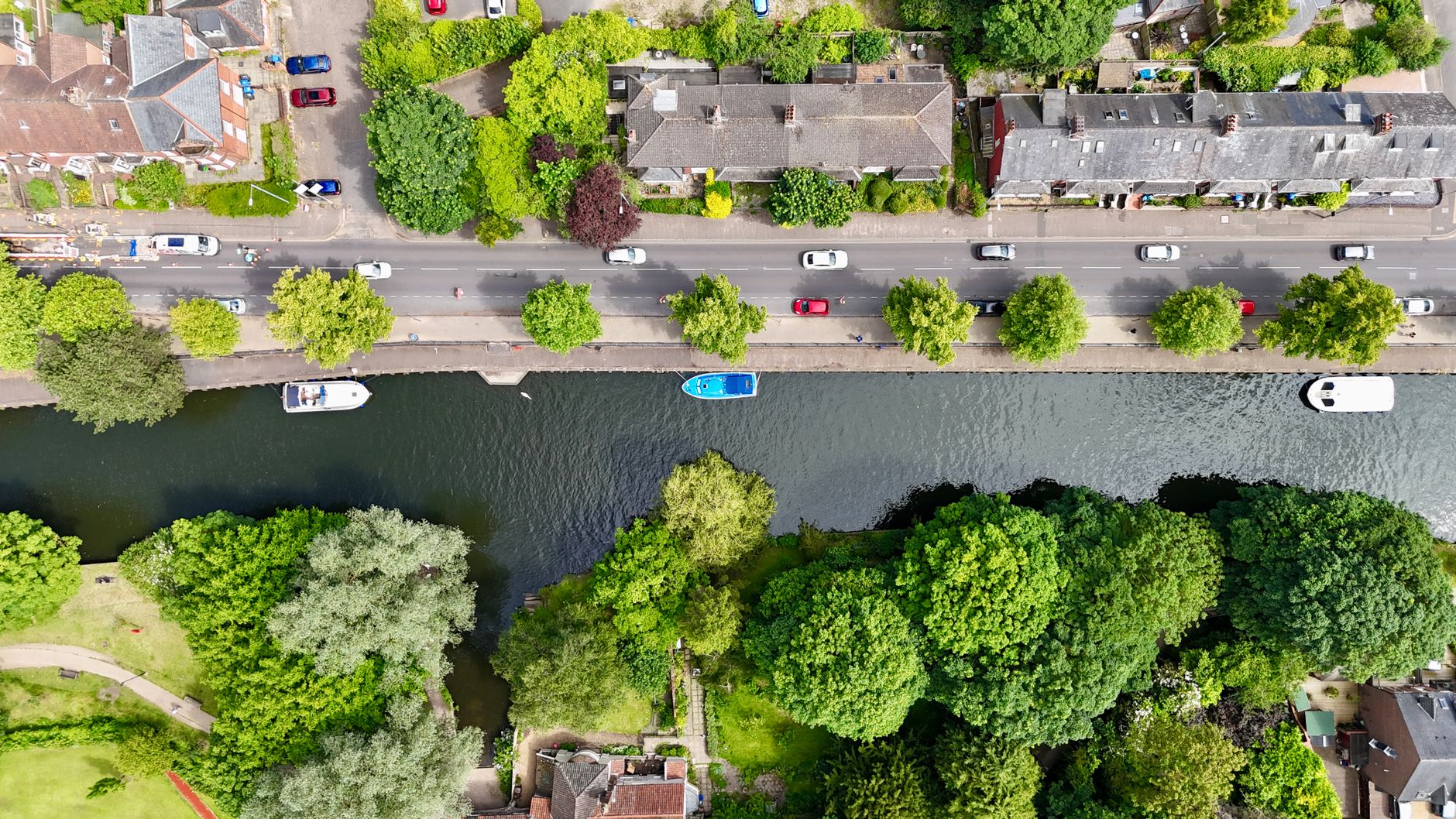
Amidst the tranquil waters of Norfolk's Broads, where swans glide past moored boats and trees line the grassy banks, a contentious debate is unfolding. Environmental groups have rallied against a proposed housing levy, arguing that it is deeply flawed and potentially harmful to the region's natural beauty.
The proposal, part of the government's Environmental Delivery Plan, seeks to impose a levy of £2,675 per house on developers, ostensibly to fund conservation measures including habitat restoration. The Norfolk Wildlife Trust, a prominent voice in this debate, has expressed significant reservations. Their chief executive, Eliot Lyne, has called for more time to scrutinise the details, concerned about broader changes to planning rules that could imperil local ecosystems.
A Conservation Crisis?
Supporters of the levy argue it is a necessary step to generate funds for environmental preservation, particularly in areas like the Norfolk Broads, which boast a unique and delicate ecosystem. However, critics, including several environmental groups, contend that the levy could lead to unintended consequences. They worry about increased housing costs, which could discourage sustainable development and exacerbate the very issues it aims to mitigate.
"We need to carefully evaluate how these funds will be utilised," Lyne remarked. "It's not just about collecting money; it's about ensuring it truly benefits the environment." His sentiment is echoed by others who fear that without stringent oversight, the funds could be mismanaged.
Lessons from Abroad
The notion of a housing levy isn't entirely novel. In Kenya, a similar scheme has been credited with alleviating housing shortages, suggesting potential merits if well-implemented. Yet, Norfolk's situation is distinct, with its own set of challenges and sensitivities. The debate highlights a broader tension between development and conservation, a balancing act that is becoming increasingly precarious in the face of climate change.
As the consultation period for the Environmental Delivery Plan continues, stakeholders across the spectrum are urged to participate in the dialogue. The outcome will undeniably shape the region's environmental and economic future, making it imperative that every voice is heard.