Norfolk's Nature Levy Sparks Environmental Concerns
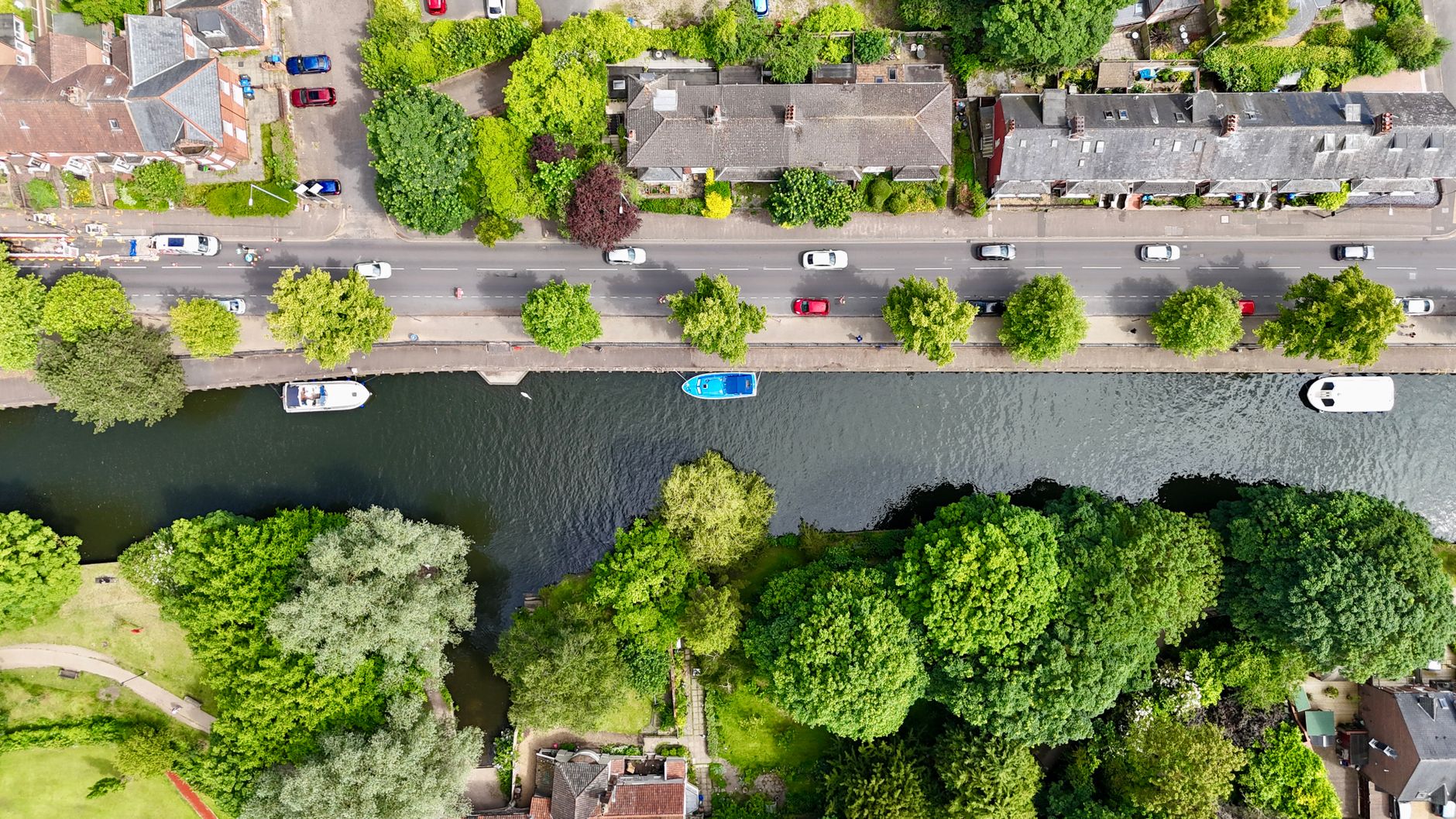
In the bucolic landscapes of Norfolk, a proposed nature levy on housing developers is ruffling more than just feathers. Environmental groups have voiced strong criticisms against the scheme, which aims to channel £2,675 per house into a fund dedicated to restoring the county's natural beauty.
At the heart of this controversy lies the government's Environmental Delivery Plan, currently open for consultation. The plan's ambition is to create a sustainable funding source for conservation efforts, notably in the Norfolk Broads, a treasured wetland habitat. However, sceptics argue that this levy could inadvertently affect the very landscapes it seeks to protect.
Eliot Lyne, Chief Executive of Norfolk Wildlife Trust, expressed reservations over the proposed changes. "While we support the idea of investing in nature, this levy appears to be a short-sighted solution," he remarked. "We need to ensure that any new measures do not compromise existing planning rules designed to safeguard habitats."
The proposed levy has sparked debate over its practicality. Critics argue that the financial burden on developers might stifle new housing projects, thereby exacerbating the region's existing housing crisis. This sentiment echoes a broader national conversation about balancing development with environmental sustainability.
Amid these concerns, the government remains steadfast in its support for the initiative, touting it as a necessary step towards meeting biodiversity targets. Yet, as the consultation process unfolds, the scheme’s opponents continue to challenge its efficacy and fairness.
As Norfolk grapples with this contentious issue, the broader implications for housing policy and environmental protection are becoming increasingly apparent. The outcome of this debate could set precedents that resonate far beyond the county's borders.