NTA Chairman Faces Political Turmoil Amid Education Reform Debate
In the ever-turbulent arena of Indian education, Pradeep Kumar Joshi, the Chairman of the National Testing Agency (NTA), finds himself at the heart of a political storm. As calls for sweeping educational reforms grow louder, Joshi is under scrutiny for alleged political favouritism and irregularities in competitive examinations.
The controversy comes on the heels of the resignation of the Union Minister for Education, a move that has intensified focus on the NTA's leadership. Despite the ministerial shake-up, Joshi remains in his position, a decision some critics attribute to his alleged connections with influential organisations.
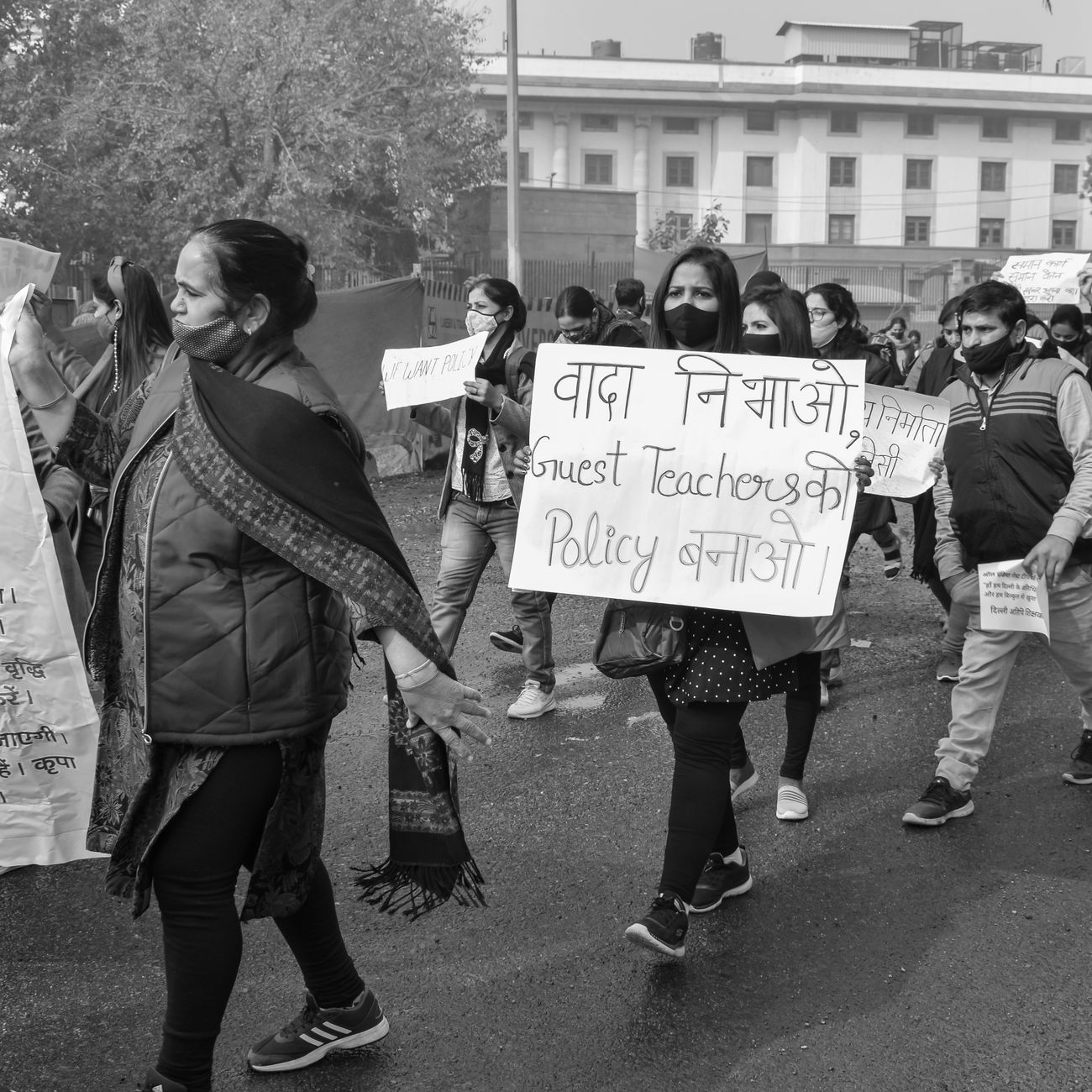
Supriya Sule, a prominent leader from the Nationalist Congress Party (Socialist), has publicly called for a time-bound Special Investigation Team (SIT) to probe the alleged malpractices. Students protesting against perceived examination irregularities have reportedly faced police action, adding fuel to the fire.
Reforms on the Agenda
Meanwhile, a high-powered committee led by former ISRO chairman K Radhakrishnan is working diligently to present recommendations for strengthening the NTA. This initiative stems partly from the controversy surrounding the National Eligibility cum Entrance Test (NEET), which brought the agency's practices under the scanner.
As the committee prepares to present its findings, the question of accountability remains paramount. The NTA, responsible for conducting major entrance tests across the nation, is seen as a cornerstone of higher education in India. Thus, any lapse in its functioning has far-reaching consequences.
Radhakrishnan's anticipated briefing could prove pivotal in shaping the future course of the NTA. His recommendations are expected to address issues of transparency, fairness, and efficiency, which have long been points of contention.
The Broader Implications
The situation underscores the complex interplay between education and politics in India. As the nation grapples with the demands of a burgeoning youth population seeking quality education, the integrity of examination processes becomes ever more critical.
For Joshi and the NTA, the immediate task is to navigate through the current controversy while demonstrating a commitment to reform. How this unfolds may well set a precedent for educational governance in India, where the stakes are as high as the aspirations of its young citizens.