Nurturing Noses: The Case for Aroma Education in Schools
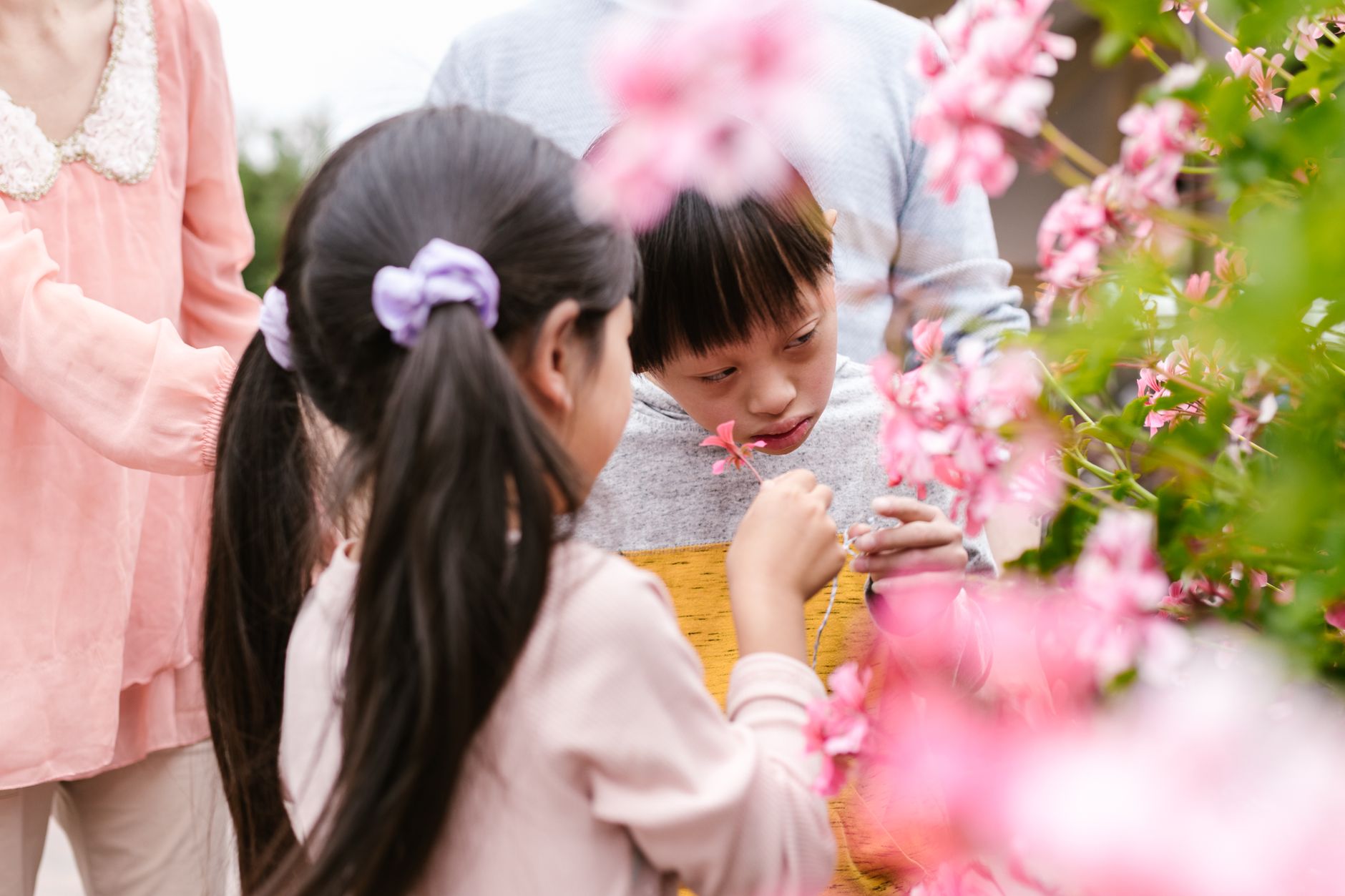
Imagine a classroom where children are encouraged to explore the world through their noses. In a novel proposal, Dr Will Tullett, a historian of smells from the University of York, suggests that educating children about aromas could be crucial for their development. According to Dr Tullett, our modern world, increasingly dominated by pollution, has dulled our olfactory senses, an issue that could be mitigated by introducing aroma education in schools.
The idea is not merely whimsical. A study conducted in Israel indicates that children's responses to different smells might be a tool for early autism diagnosis. The research, published in the journal Current Biology, involved 36 children and highlighted significant differences in how autistic children react to various odours compared to their neurotypical peers. This discovery opens up the potential for using smell tests as a non-invasive method for identifying autism at an early stage.
Why Smell Matters
Dr Tullett underscores that our sense of smell is integral to our understanding of the environment. Beyond merely enhancing our sensory experiences, the ability to discern different aromas can alert us to environmental changes or dangers, such as gas leaks or food spoilage. Furthermore, aromas play a pivotal role in memory and emotional responses, linking smells to past experiences and emotions.
Interestingly, the natural world uses scents in complex ways. Plants, for instance, emit specific aromas when under attack by insects, which can either deter the pests or attract their predators. Understanding these natural interactions can enrich children's knowledge of ecology and biology.
Educational Implications
Incorporating smell education into the curriculum could have several benefits. It would not only improve children's sensory skills but also foster a greater appreciation for the natural world. Interactive activities, like identifying herbs and spices or crafting perfumes, could make learning both fun and educational.
Critics might argue that with already packed school schedules, adding aroma education is impractical. However, proponents believe that the benefits, including potential health insights and enhanced cognitive development, make a compelling case. As Dr Tullett notes, "In a world where visual and auditory stimuli dominate, nurturing our other senses is more important than ever."