Obscenity in Tamil Nadu Politics: A Lingual Battlefield
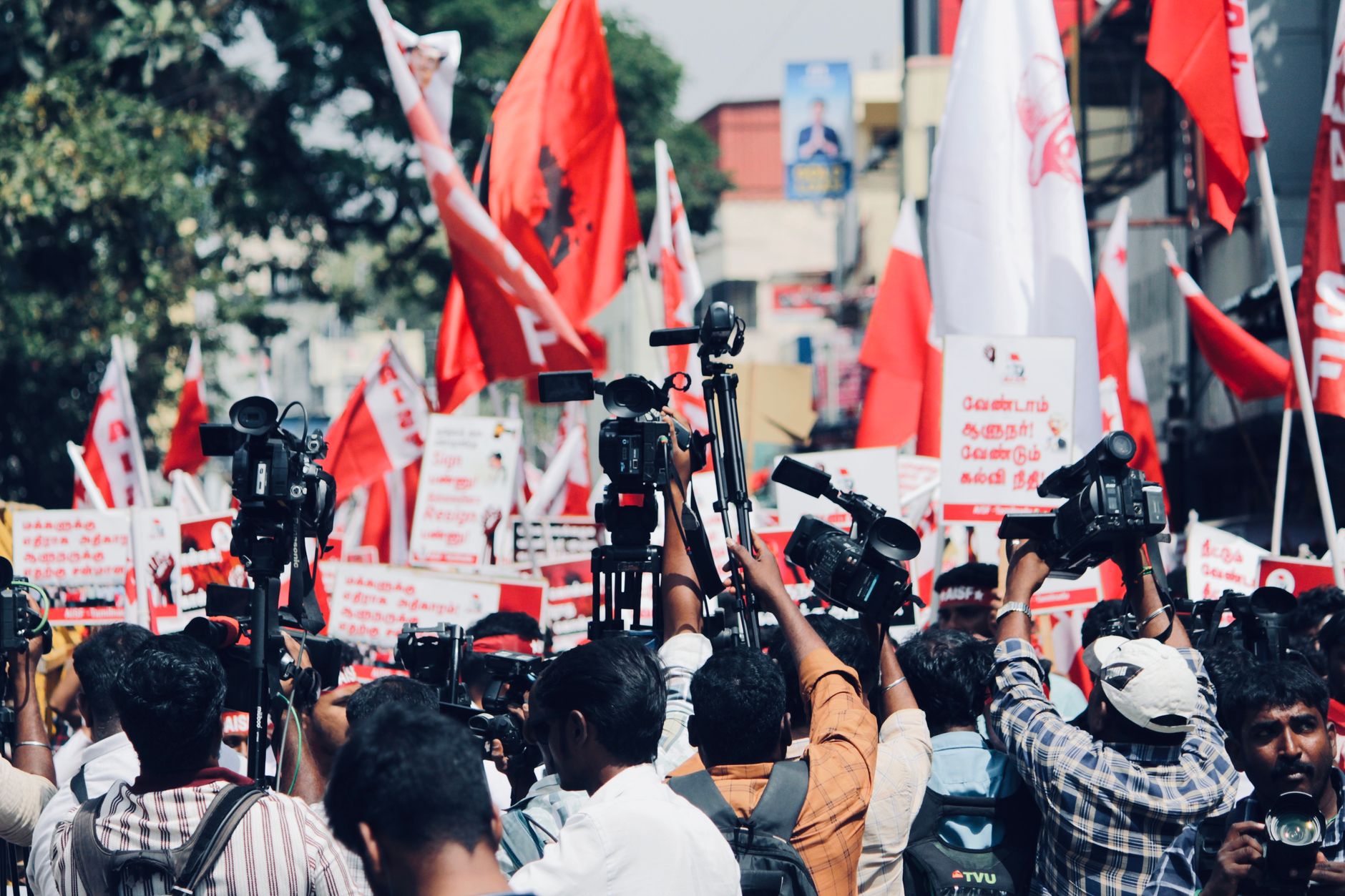
In the vibrant political theatre of Tamil Nadu, words have always wielded power, sometimes more so than actions. The state has a storied tradition where fiery oratory reigns supreme. Yet, this linguistic prowess often blurs the line between impassioned rhetoric and outright obscenity, a distinction currently under the judicial microscope.
The arrest of Opposition leader Udhayanidhi Stalin has thrust this issue into the spotlight once more. His controversial remarks during a speech on the ongoing Cauvery water dispute not only led to his detention but also reignited the debate around the acceptable limits of political speech.
The Role of Language in Politics
In Tamil Nadu, the art of oratory has long been a critical tool for political mobilisation. Senior leaders typically articulate the party's ideology, while the more incendiary speeches are left to their fiery second-in-commands. These speeches, often laced with personal jibes and sometimes veering into the realm of obscenity, are crafted to energise the base and draw clear battle lines.
However, as the Supreme Court recently clarified, the use of abusive or indecent language does not automatically constitute legal obscenity. The Court's intervention suggests a more nuanced approach, recognising the cultural and contextual factors at play in what constitutes obscenity.
Legal and Political Implications
The Supreme Court's stance offers a legal framework but also poses challenges for political speech in Tamil Nadu. The fine line between robust debate and defamatory obscenity must be navigated with care, especially in a state where language is a potent political weapon.
Udhayanidhi's case exemplifies the delicate balance between freedom of expression and the need for civil discourse. As political narratives grow increasingly vitriolic, the role of judicial oversight becomes paramount in maintaining this balance.
The controversy underscores a broader question facing democracies worldwide: how to balance free speech with the responsibility of public discourse. In Tamil Nadu, the answer may be as complex as the political dynamics themselves.