Open Science: A Crucial Ally in Pandemic Preparedness
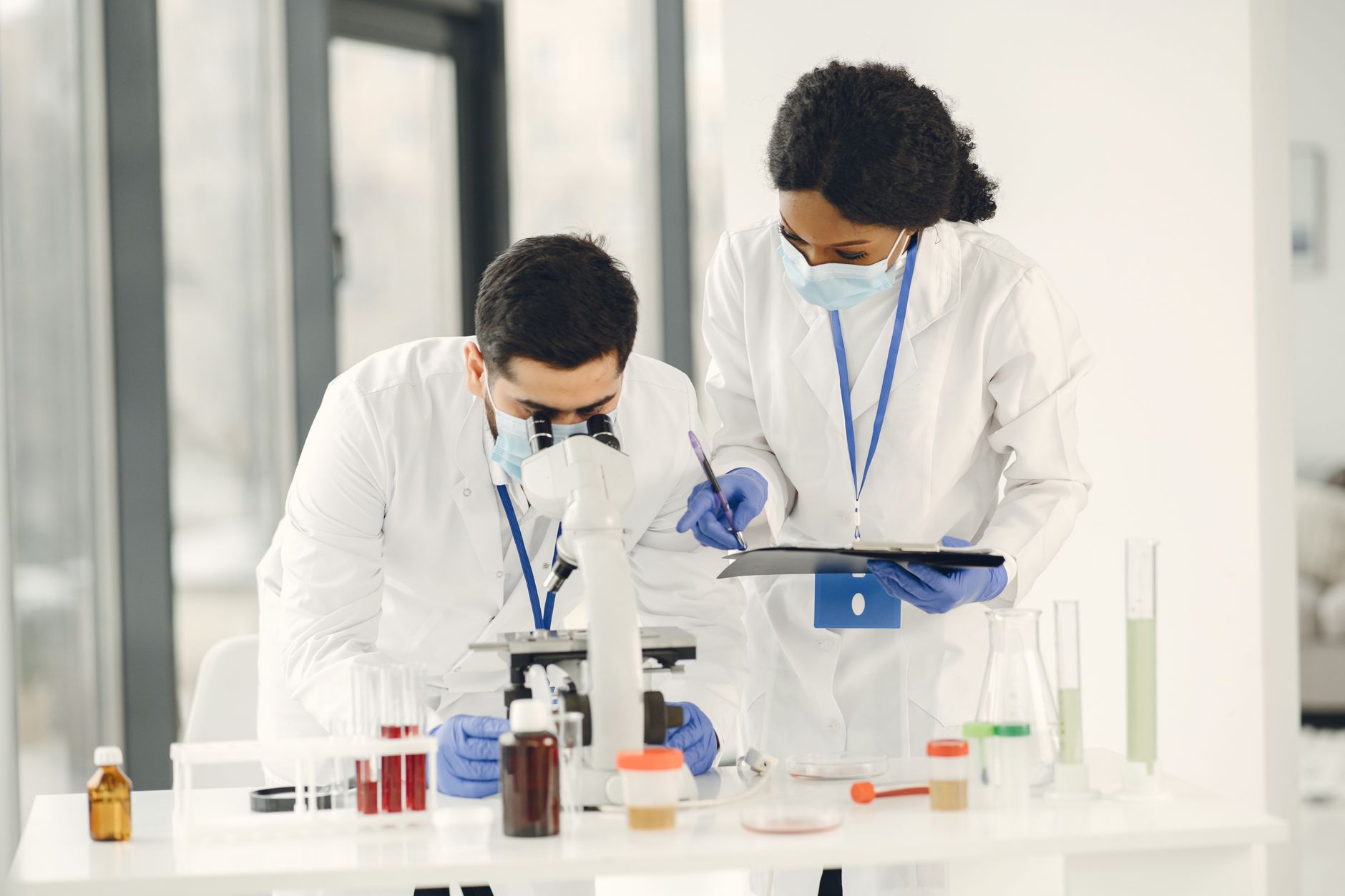
In the corridors of scientific inquiry, the principle of open science is quietly but profoundly reshaping how researchers gear up for the next global health crisis. The notion is simple yet transformative: freely sharing scientific data and resources can help predict and manage pandemics more effectively.
Take, for instance, the recent collaborative efforts of NVIDIA and its partners. They've made the 3D protein structures of over 2,800 viruses openly accessible through the AlphaFold Database. This initiative not only provides insights into existing pathogens but also uncovers entirely new protein interactions, about 30% of which are novel to the scientific community. Such transparency in data sharing could be pivotal in crafting timely responses to emerging threats.
The Role of Open Science
Open science isn't just about making data available; it's about building a global coalition of knowledge. Researchers worldwide can tap into this shared pool of information, accelerating the pace of discovery and innovation. By understanding viral behaviours and interactions better, the scientific community can develop more robust strategies for prevention and treatment.
Yet, the challenge remains: we cannot predict when or what the next pandemic will be. However, as a coalition of forward-thinking researchers has shown, the effort lies in readiness. By front-loading knowledge—arming ourselves with as much information as possible before the crisis hits—we stand a better chance of mitigating its impact.
Lessons from Past Outbreaks
The lessons drawn from previous pandemics underline the significance of open science. Research has shown that uniform policies do not yield uniform outcomes across different regions. Understanding these discrepancies can inform better-targeted interventions in future outbreaks.
As the National Institutes of Health scientists have recently highlighted, predicting pandemics is notoriously difficult. However, by building a robust framework of open, shared data, scientists can better understand viral behaviours and potentially identify early warning signs of new threats.
In conclusion, while the task is daunting, the promise of open science offers a beacon of hope. By fostering a culture of sharing and collaboration, the scientific world is better poised to face whatever challenges lie ahead, ensuring that when the next pandemic does arise, we are not caught off guard.