OpenAI Unveils Groundbreaking Discoveries Amid Academic Dispute
In a move that has sent ripples through the scientific community, OpenAI has announced three landmark discoveries in the fields of mathematics, computer science, and physics. These breakthroughs, focused on harmonic analysis, complexity theory, and quantum field theory, underscore the evolving capabilities of artificial intelligence in contributing to human knowledge.
The announcement, however, has not been without its detractors. While the discoveries themselves are being hailed as significant by many in the scientific community, some academics are voicing concerns over the manner in which these findings were reached. The debate centres around the transparency and ethical considerations of AI-driven research, with critics demanding more openness in how such AI models are trained and utilised.
The Science Behind the Headlines
At the heart of OpenAI's announcement is an 'internal frontier model', which has been credited with making these discoveries. The specifics of this AI model remain under wraps, adding fuel to the fire for those calling for greater transparency. The company has, however, emphasised that these findings are the result of collaborative efforts, integrating feedback from various academic communities.
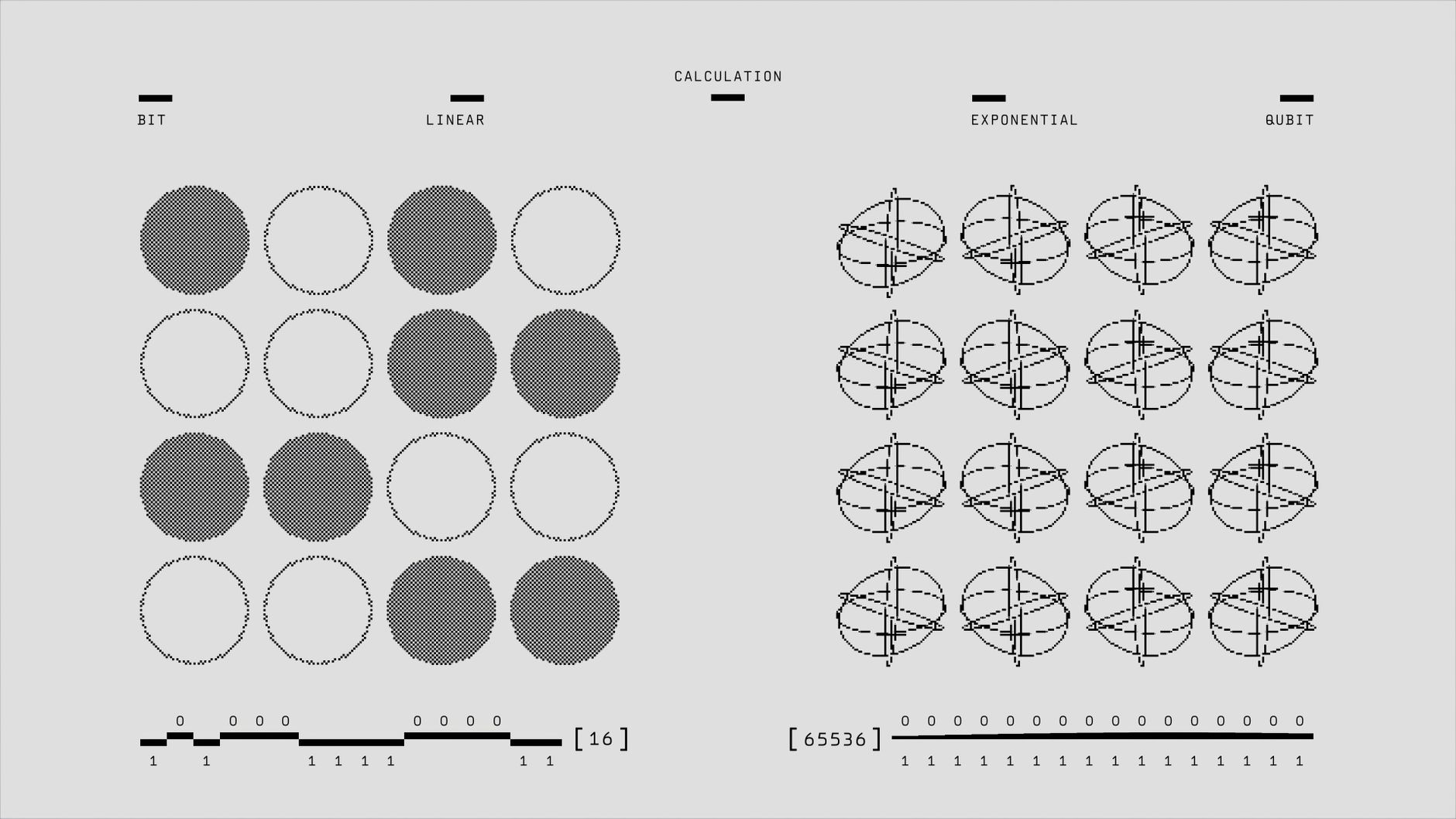
The discoveries themselves span a wide array of complex topics. In mathematics, advancements in harmonic analysis could pave the way for new applications in signal processing and data compression. In computer science, breakthroughs in complexity theory may offer fresh insights into algorithm efficiency and computational limits. Meanwhile, contributions to quantum field theory hold potential implications for our understanding of the fundamental forces of nature.
A New Era of Collaboration?
In tandem with these scientific announcements, OpenAI has also outlined a new framework for working with the academic community. This approach aims to foster more collaborative partnerships, ensuring that future AI-driven discoveries are better integrated with traditional scientific research methodologies.
Despite the controversies, the potential of AI to revolutionise the scientific process cannot be ignored. As AI models become increasingly sophisticated, they offer the tantalising prospect of accelerating research and uncovering insights that might otherwise remain elusive. However, this must be balanced with ethical considerations and the need for transparency, ensuring that the pursuit of knowledge does not compromise academic integrity.
As OpenAI charts this new course, the world will be watching closely to see how the intersection of AI and academia unfolds.