Organic Eggs: A Bigger Climate Culprit Than Caged Ones?
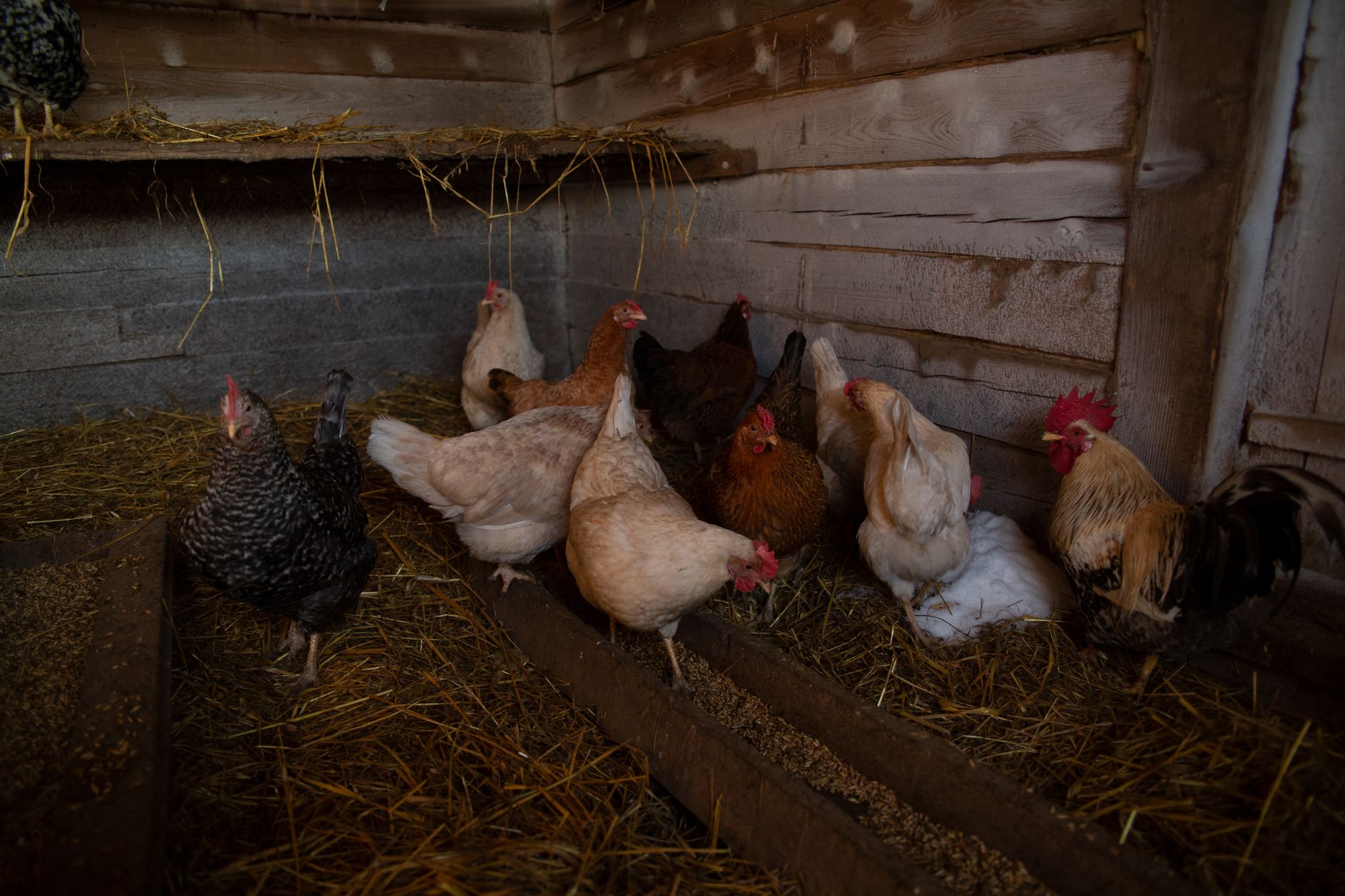
It turns out that the quest for ethical consumption might have led us astray. Recent research indicates that organic eggs, often touted as the environmentally friendly choice, are in fact twice as harmful to the climate as those produced by caged chickens. The findings challenge the long-held belief that organic farming practices are invariably better for the planet.
The crux of the issue lies in the number of chickens required to produce the same quantity of eggs. Free-range chickens, while certainly happier and more active, lay fewer eggs compared to their caged counterparts. This inefficiency results in a higher chicken population, subsequently leading to increased greenhouse gas emissions.
Balancing Welfare and Emissions
The study suggests that if the UK were to fully adopt an organic model for egg production, it would result in emissions equivalent to 2,316,000 tonnes of CO2. This figure starkly highlights the environmental cost of prioritising animal welfare over production efficiency.
Environmentalists and animal rights advocates now find themselves at an intriguing crossroads. The choice between a humane approach to livestock management and the pressing need to curb climate change emissions is anything but straightforward. The debate is likely to intensify as consumers grapple with the moral and environmental implications of their purchasing decisions.
Rethinking Sustainability
For years, organic and free-range products have enjoyed a reputation for being the ethical choice. However, these new insights suggest a more nuanced picture of sustainability in agriculture. The findings may compel both producers and consumers to reconsider their definitions of 'sustainable' and 'ethical' food production.
While the study does not advocate for a return to intensive caged farming, it does highlight the complexities involved in making environmentally sound choices. As the world grapples with climate change, such revelations underscore the importance of comprehensive analyses that consider both animal welfare and ecological impact.