Oxygen Levels: When a Reading of 94% Warrants Attention
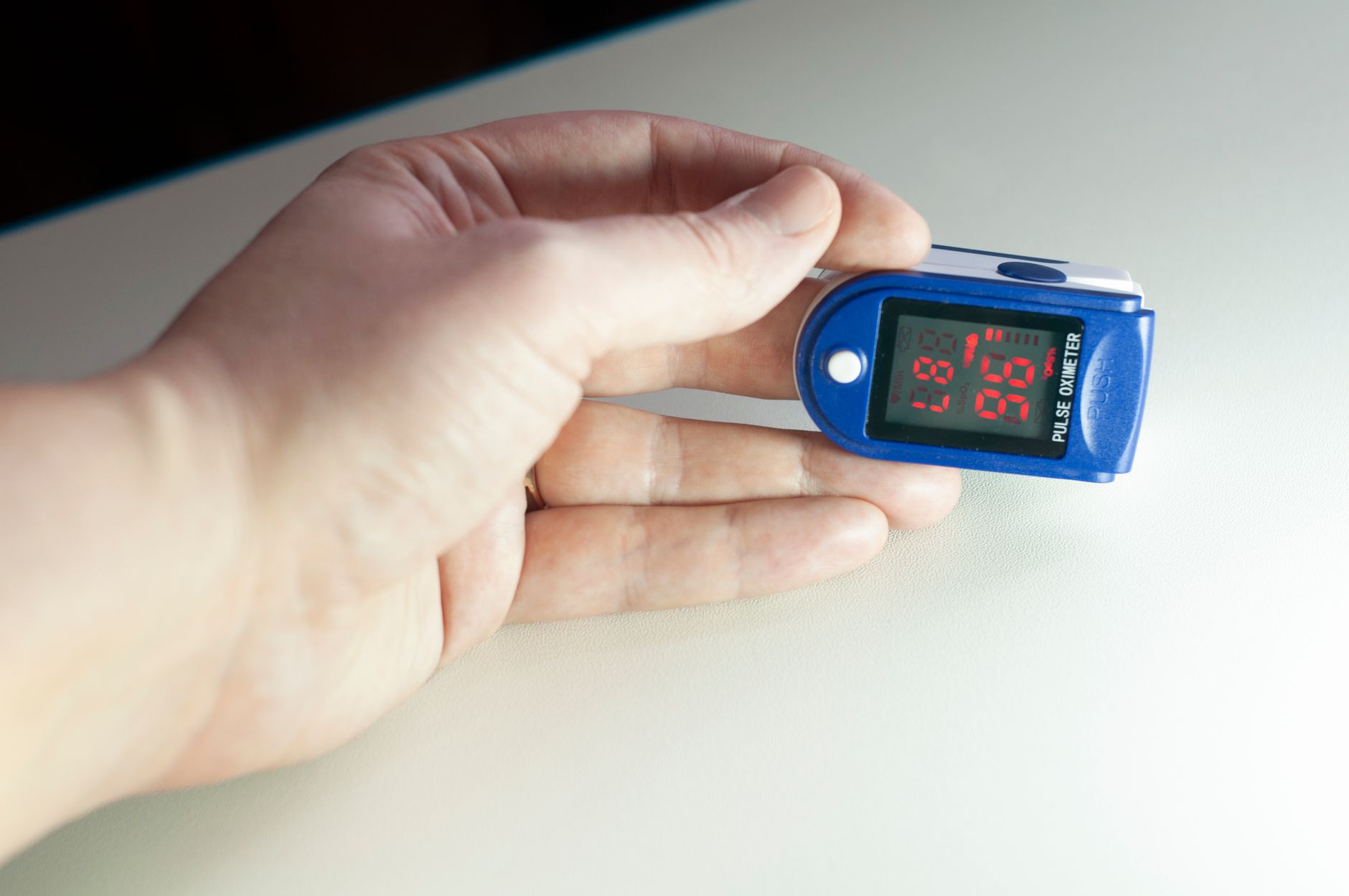
In an age where wearable technology frequently monitors our every heartbeat, step, and breath, the pulse oximeter has become an indispensable tool in our health arsenal. But what does it truly mean when the device flashes a reading of 94%? Should you be concerned, or is it simply an anomaly in the rhythm of daily life?
For most healthy adults at sea level, a blood oxygen saturation (SpO2) reading between 95% and 100% is standard. However, a dip to 94%—though slightly lower—does not necessarily signal a crisis. Experts assert that a single reading, especially one that does not persist or accompany symptoms such as breathlessness, is not a cause for alarm.
Context is Everything
The interpretation of an oximeter reading can hinge heavily on context. For instance, individuals living at higher altitudes may naturally exhibit lower saturation levels due to reduced atmospheric oxygen. Similarly, those with chronic respiratory conditions might have a baseline that sits below the conventional range.
Dr. Anjali Kumar, a respiratory specialist, advises, "A single reading is just a snapshot. It’s the trends and accompanying symptoms that matter more." She suggests maintaining a log of readings over time, especially if the 94% persists, and discussing it with a healthcare provider.
The Role of Technology
Technology, while immensely helpful, is not infallible. The accuracy of pulse oximeters can vary based on factors like skin pigmentation, nail polish, and even ambient light interference. Ensuring the device is calibrated correctly and used as directed is essential to obtaining reliable data.
Ultimately, understanding your own health parameters and consulting with medical professionals when in doubt remains the best course of action. While a 94% reading might nudge you to pay a bit more attention, it is rarely a reason to panic.