Palestinian Education Under Siege in East Jerusalem
In the heart of East Jerusalem, a new battleground has emerged—not of stone and steel, but of books and blackboards. Israeli authorities have set their sights on the educational landscape, enforcing Israeli curricula on Palestinian schools in a move that critics argue is designed to erode Palestinian identity.
For many Palestinians, schools are not just institutions of learning; they are the bastions of cultural identity and resistance. The imposition of Israeli curricula is seen as a direct affront to this identity. The decision has sparked outrage among Palestinian leaders and educators, who view it as an aggressive step towards the 'Israelization' of East Jerusalem.
The Curriculum Controversy
Currently, 48 schools under the Jerusalem Municipality teach according to the 'Arab Educational System'. However, the Knesset's recent legislative maneuvers are set to change this. The new policies aim to instil an Israeli narrative, often at odds with Palestinian historical and cultural perspectives. This educational overhaul is perceived as an attempt to rewrite the narrative of a region long marked by its complex history.
Palestinian activists argue that this is a calculated strategy to diminish the Palestinian presence and influence in a city that has been a focal point of tension for decades. The move is seen not just as an educational imposition, but as a broader political strategy to consolidate control over East Jerusalem.
Resistance and Ramifications
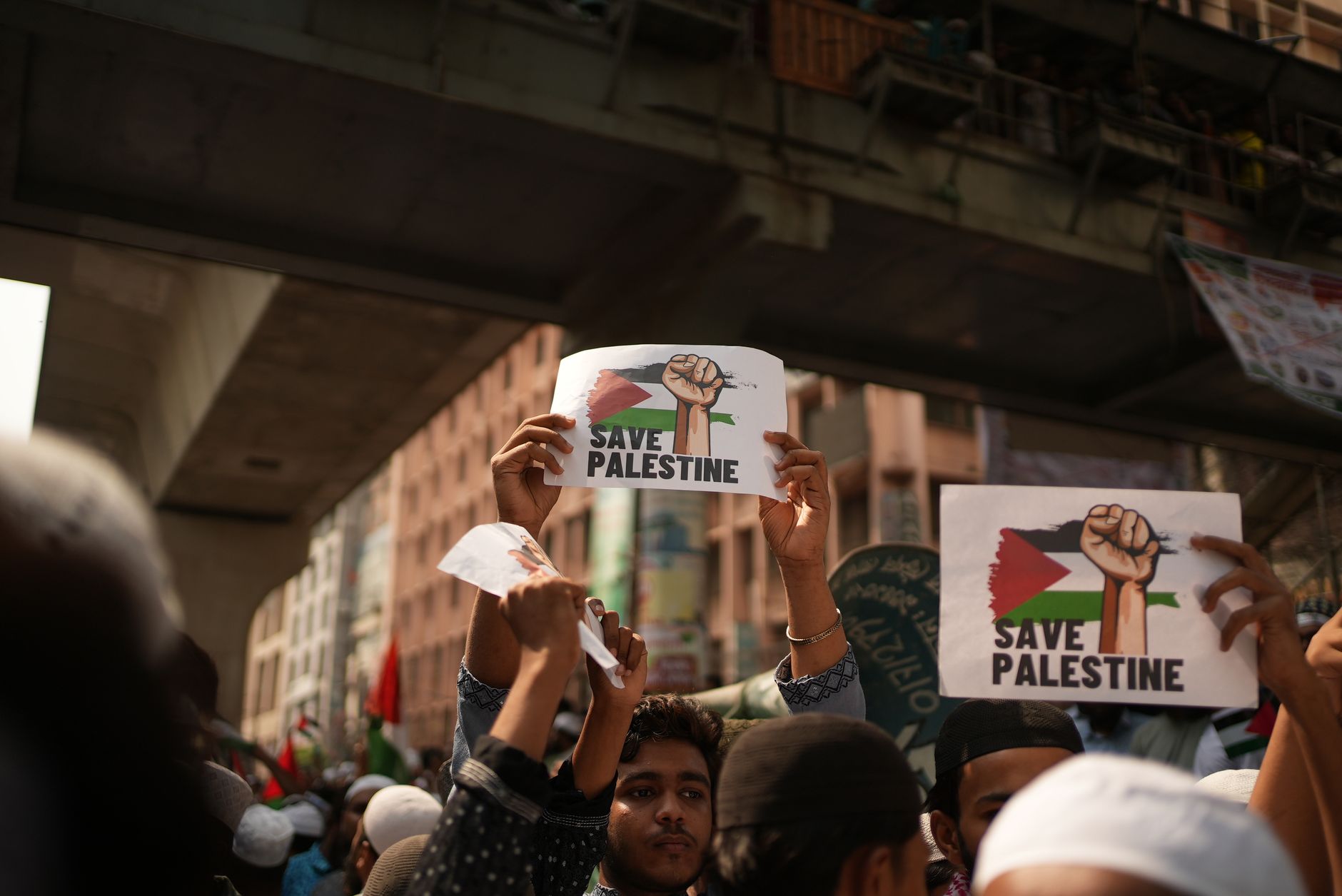
The backlash has been immediate and vocal. Political leaders and community activists have condemned what they describe as a war on Palestinian education. In a statement from Ramallah, officials highlighted the existential threat posed by these educational policies, calling for international intervention and support.
While Israeli officials claim that the curriculum changes are intended to provide a more 'unified' educational framework, critics argue that it selectively favours Jewish narratives, sidelining Palestinian history and achievements. The implications of such policies extend beyond the classroom, potentially influencing future generations' perceptions and understandings of their own identity.
As this educational conflict unfolds, the stakes are high. The outcome will likely shape not only the future of education in East Jerusalem but also the broader socio-political dynamics of the region. For now, the classrooms of East Jerusalem remain a microcosm of the larger struggle for identity, sovereignty, and self-determination.