Parliament Urges NGT to Wield Its Powers More Assertively
The verdant cover of India’s landscapes, already under siege from rapid urbanisation and industrial expansion, now finds an unlikely ally in the corridors of Parliament. A parliamentary committee has delivered a robust call to action, urging the National Green Tribunal (NGT) to wield its suo motu powers with greater resolve. This appeal is part of a broader push towards preserving the nation's fragile ecosystems.
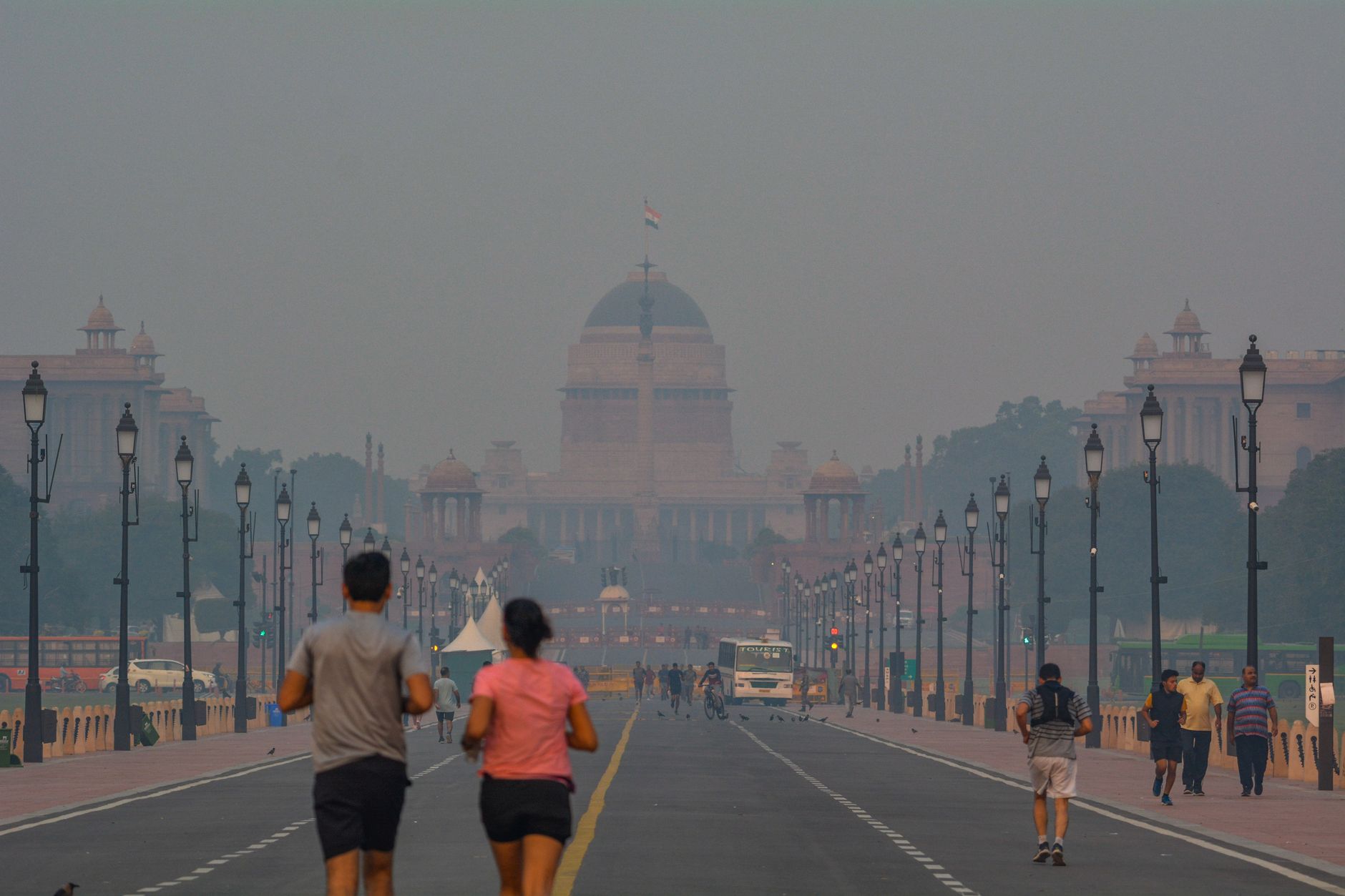
Central to the committee's concerns are the widespread felling of trees for highway projects, rampant illegal sand mining, and the suffocating air pollution that has become the bane of life in Delhi and its surrounding regions. These issues, they argue, require not just attention but a proactive stance from the NGT, which has the authority to initiate action on its own accord.
Environmental Vigilance
The tribunal, established in 2010 to expedite environmental justice, has often been seen as reactive, stepping in only when matters are brought before it. The committee's report suggests a shift in this paradigm, advocating for a more anticipatory approach. The NGT is encouraged to take spontaneous cognisance of violations and enforce compliance with environmental norms more stringently.
The urgency of this recommendation cannot be overstated. Illegal sand mining continues to devastate riverine ecosystems, while unchecked construction projects threaten biodiversity. Air quality in the capital, meanwhile, routinely exceeds hazardous levels, posing severe health risks to its residents.
A Broader Mandate
While the NGT has been instrumental in several landmark verdicts, the committee believes its potential remains underutilised. The panel has called for a systematic follow-up on its rulings to ensure compliance, suggesting that the tribunal could play a pivotal role in shaping a sustainable future.
The committee’s recommendations come at a time when India is grappling with its environmental commitments, balancing economic growth with ecological preservation. As the world watches, the NGT’s response to this call for proactive engagement could well set a precedent for environmental governance.
This development highlights a growing recognition within the political sphere of the need for decisive environmental action. Whether the NGT rises to the occasion remains to be seen, but the stakes, undoubtedly, are high.