Pennsylvania's Environmental Challenges: A Closer Look
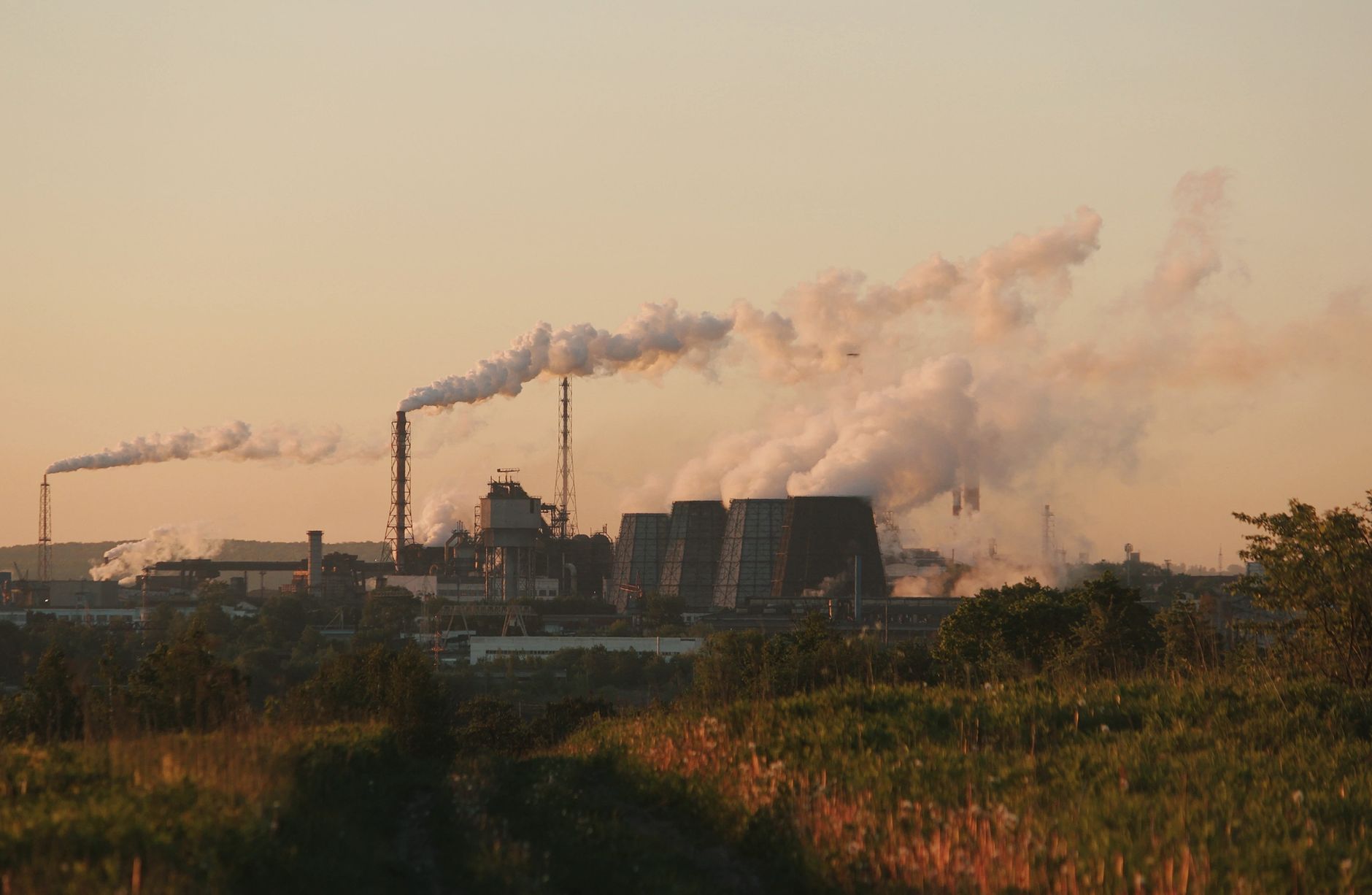
Pennsylvania, a state renowned for its rich natural resources and industrial prowess, is grappling with a slew of environmental challenges that demand urgent attention. As climate change continues to alter weather patterns, the state's reliance on fossil fuels and its historical legacy of industrial pollution pose significant threats to its natural ecosystems.
Addressing these issues requires a concerted effort from both state authorities and local communities. The Environmental Council of the States has been vocal about the necessity of adopting sustainable energy practices. With the state's energy consumption heavily skewed towards non-renewable sources, transitioning to cleaner energy forms is not just an environmental imperative but also a strategic necessity.
The Energy Dilemma
Pennsylvania's energy sector remains one of the largest in the United States, with natural gas and coal contributing substantially to its economy. However, this dependence has led to increased emissions, impacting air quality and contributing to climate change. The state has initiated several programmes aimed at reducing its carbon footprint, yet the path to sustainability is fraught with economic and political challenges.
Recent legislative efforts have focused on incentivising renewable energy projects and improving energy efficiency. Despite these measures, the pace of change remains slow, hindered by entrenched interests and regulatory hurdles.
Community and Conservation
On the ground, local communities are increasingly engaging in conservation efforts. Grassroots initiatives aimed at preserving Pennsylvania's forests and waterways are gaining momentum. These efforts are crucial, not only for maintaining biodiversity but also for safeguarding water resources that are vital for both rural and urban populations.
Moreover, educational programmes, such as those hosted by Penn State Extension, are playing a pivotal role in raising awareness and providing the necessary tools for effective environmental stewardship. The upcoming webinar on oil impact mitigation is just one example of how knowledge dissemination can empower communities to take proactive steps.
The road ahead is undoubtedly challenging, but with sustained effort and collaboration, Pennsylvania can address its environmental issues effectively, ensuring a healthier future for its residents and ecosystems.