Pennsylvania's Environmental Pledge: A Hopeful Yet Challenging Path
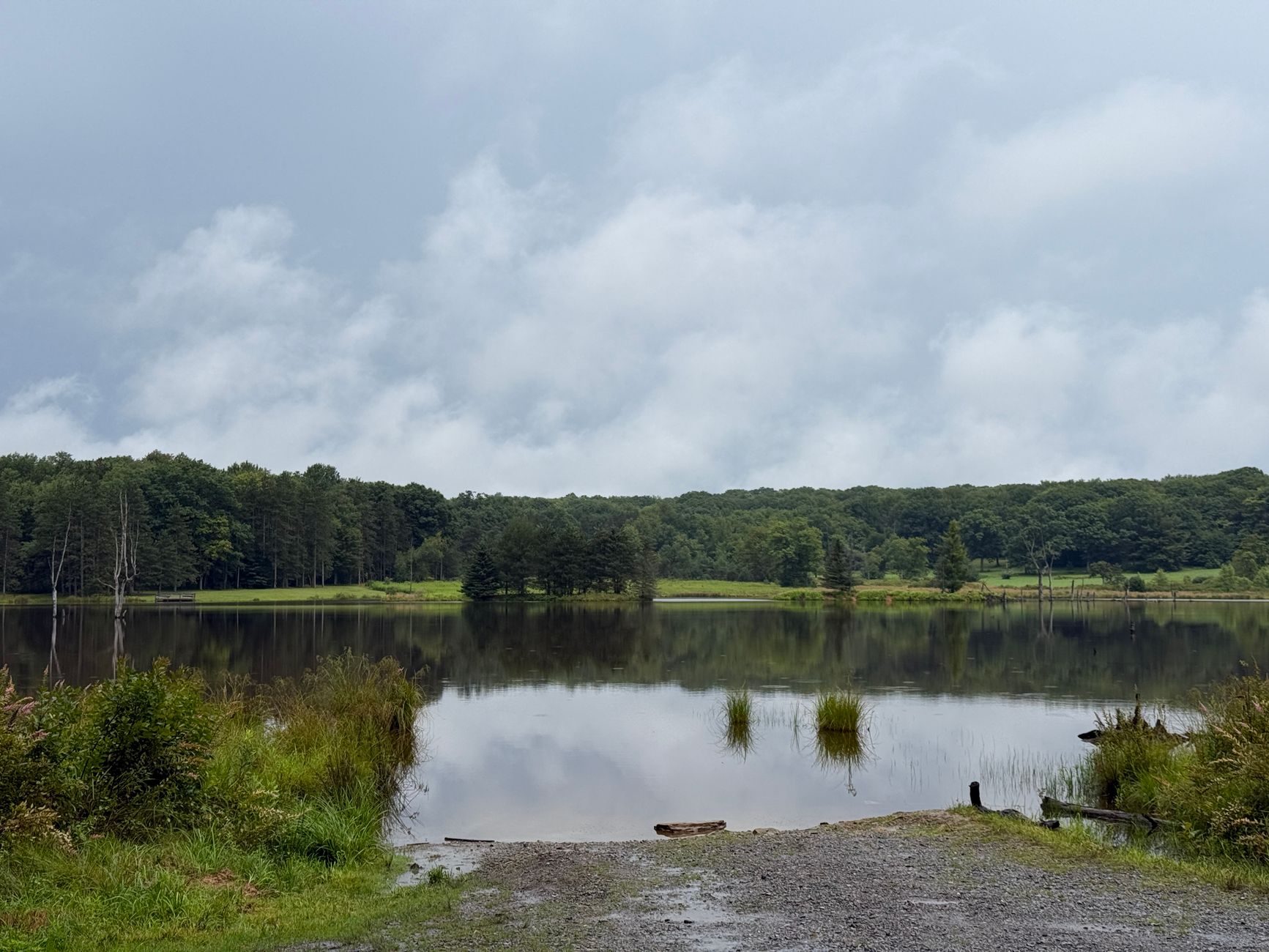
In the heart of Pennsylvania, a state renowned for its sprawling forests and rolling hills, the commitment to environmental integrity endures as a beacon of hope and a persistent challenge. The state's constitution enshrines the right to clean air and pure water, yet translating this noble aspiration into reality is fraught with complexities.
Recent discussions in environmental circles have brought these issues to the fore, particularly in light of the region's industrial ambitions. While economic development is crucial, it often clashes with the imperative to safeguard natural resources. The tension between these two priorities is palpable, as evidenced by a series of articles and news clippings highlighting the state's ongoing environmental struggles.
Striking a Balance
The Pennsylvania Department of Environmental Protection (DEP) is at the forefront of this battle, tasked with the herculean job of enforcing regulations designed to protect the environment. However, the agency often finds itself caught in a web of bureaucratic red tape and political pressure, which complicates its mission. Critics argue that while the laws are robust, their implementation is inconsistent, allowing some industries to sidestep crucial regulations.
The challenges are not merely administrative. Public sentiment swings between supporting economic growth initiatives that promise jobs and prosperity, and advocating for stricter environmental controls that ensure long-term ecological health. This dichotomy is reflected in the public discourse, where voices from both sides of the debate are increasingly vocal.
The Road Ahead
Despite these hurdles, there is a glimmer of optimism. Community groups and environmental advocates are rallying to push for more stringent enforcement of existing laws and the introduction of new measures that would better align industrial practices with environmental goals. Their efforts are bolstered by a growing awareness of the climate crisis and its potential impact on the state's natural beauty and human health.
Ultimately, the path forward for Pennsylvania involves a delicate balancing act. It requires not only strong leadership and clear policy direction but also a collective willingness to prioritise the environment alongside economic ambitions. As the state navigates these challenges, its commitment to environmental stewardship remains a crucial aspect of its identity, offering a template for other regions grappling with similar issues.