Petition Urges Modi to Address Youth on Education and Jobs
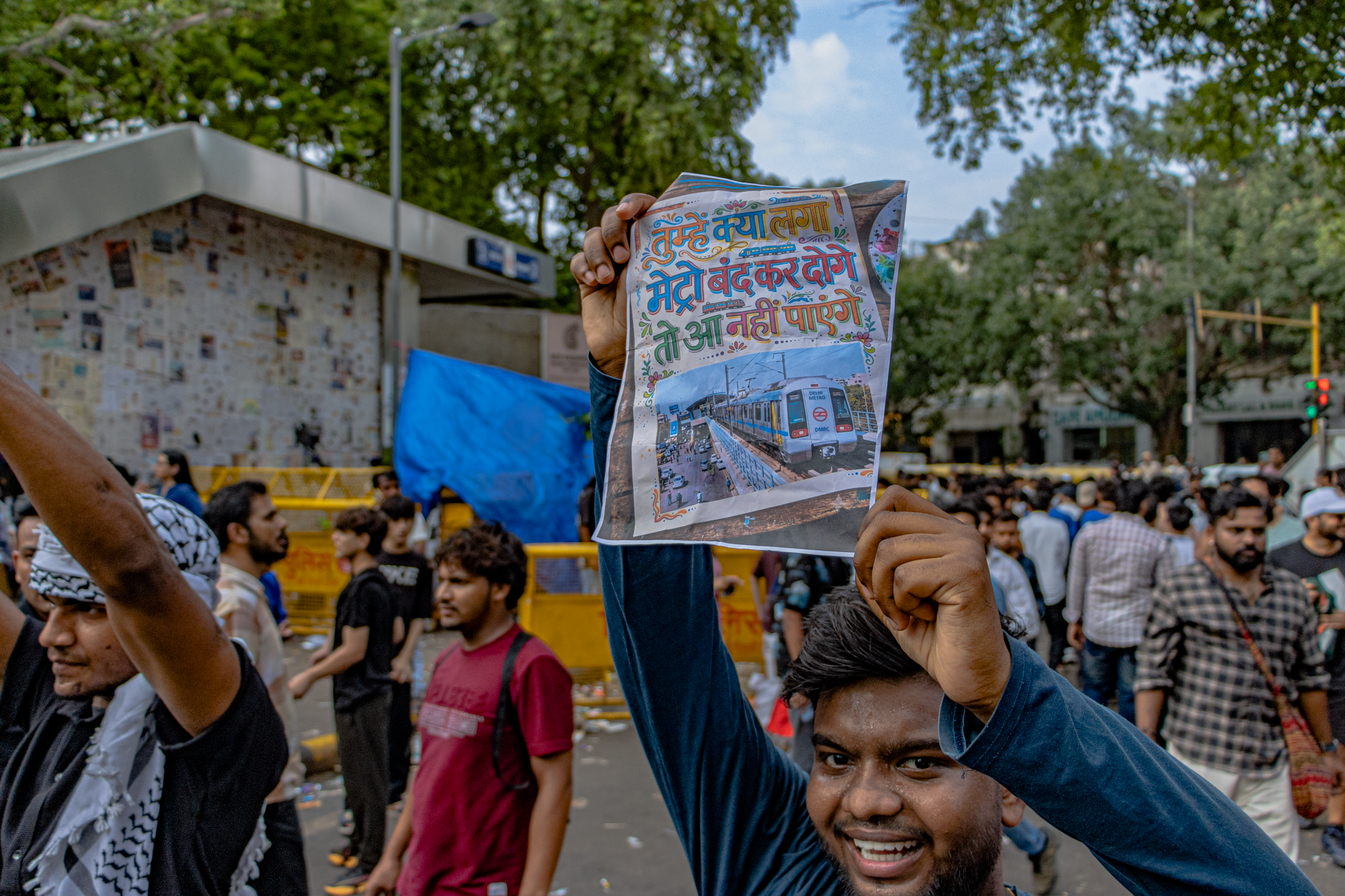
In a move that underscores the mounting anxiety among India's younger population, the Cockroach Janta Party (CJP) has taken an unprecedented step by launching an online petition. The petition, orchestrated by the party's founder, Abhijeet Dipke, calls upon Prime Minister Narendra Modi to address the nation on Independence Day, focusing particularly on issues that resonate deeply with the youth — education, employment, and the ever-pressing spectre of inflation.
This call for dialogue comes on the heels of a 36-day protest led by the CJP, targeting irregularities in the NEET examinations and broader grievances with the education system. The protest, which garnered significant attention, highlighted frustrations over perceived systemic failures that many feel are hampering the prospects of India's youth. The CJP is now planning a national listening tour, a bold initiative to gather insights and concerns directly from young Indians, aiming to present these findings to policymakers.
Education and Employment: Twin Pillars of Concern
Education and employment remain at the forefront of the CJP's agenda. With the education system under scrutiny following the NEET exam debacle, there is an urgent call for reforms that align educational outcomes with the realities of the job market. The petition reflects a growing sentiment that the current system is out of step with the needs of modern India, leaving many young people in a precarious position.
Unemployment, too, looms large. Despite India's burgeoning economy, job creation has not kept pace with the aspirations of its young populace. The petition argues that without strategic interventions, this disconnect could lead to broader social unrest.
Inflation: The Silent Strain
Inflation, often regarded as the silent strain on household budgets, is another area of concern. The rising cost of living, coupled with stagnant wages, has tightened the financial noose around many families, forcing difficult decisions about spending priorities. Addressing this issue, the CJP argues, is crucial to ensuring a stable future for India's youth.
As Independence Day approaches, the ball is now in the Prime Minister's court. Whether he will heed the call and address these pressing challenges remains to be seen. What is clear, however, is that the youth of India, championed by the likes of Abhijeet Dipke and the CJP, are increasingly demanding a seat at the table where decisions about their future are made.