Petronas' Gentari Considers Sale of Indian EV Charging Network
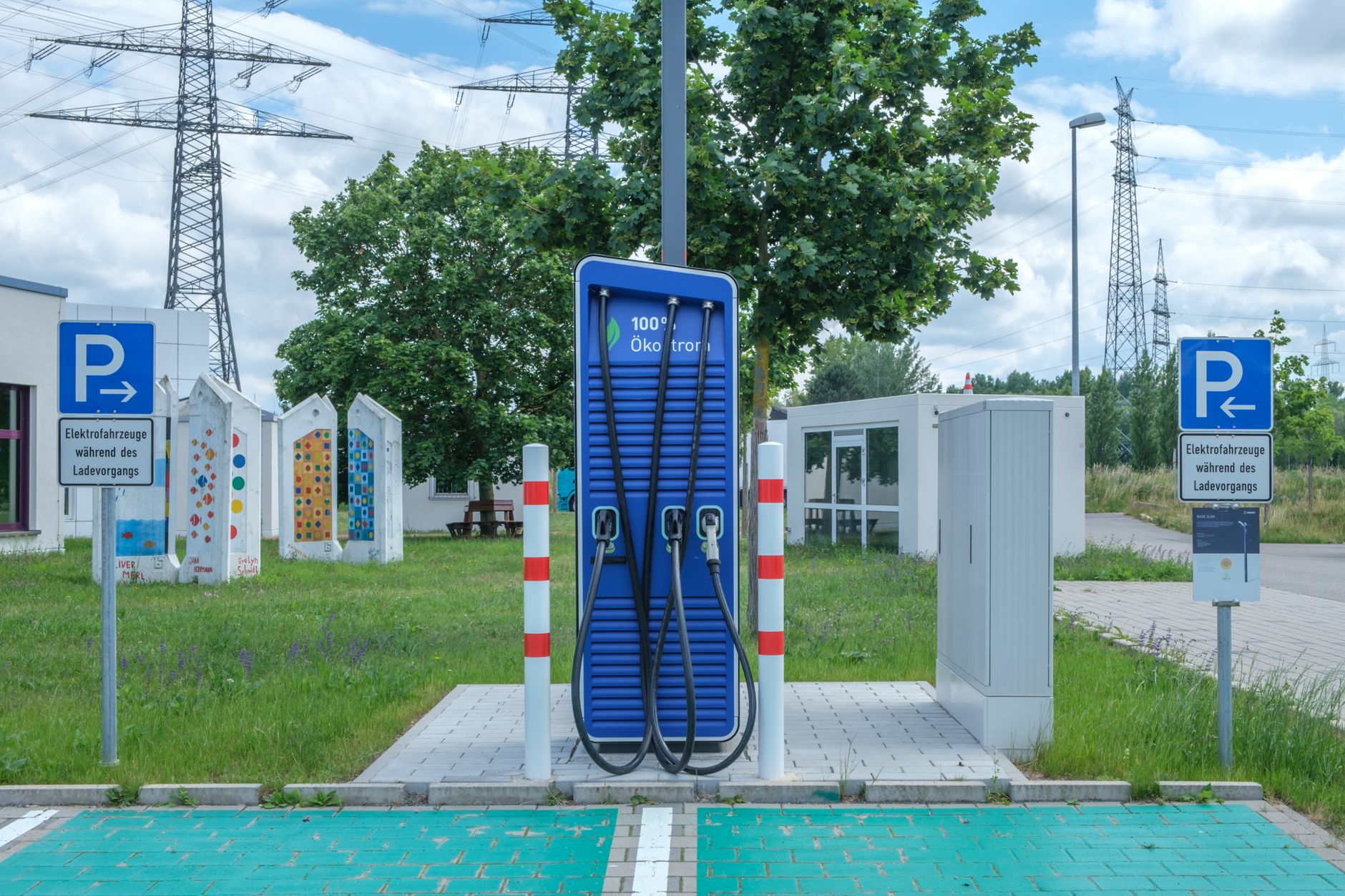
In a move that has stirred the waters of the electric vehicle (EV) sector, Malaysia's Petronas-linked entity, Gentari, is reportedly weighing up the sale of its Indian green mobility unit, Gentari Green Mobility India. With an expansive network of approximately 3,000 charging points spread across 11 Indian states, this potential disinvestment could reshape the contours of India's burgeoning EV landscape.
The decision comes on the heels of a previously thwarted effort by Gentari to offload a minority stake in its Indian renewable energy generation business. Industry insiders suggest this latest manoeuvre may reflect a recalibration of priorities within Gentari, as it seeks to streamline operations and perhaps concentrate resources elsewhere.
Implications for the EV Market
The sale of such a substantial network is likely to attract considerable interest from both domestic and international players eager to cement their place in India's rapidly expanding EV market. The country, which has been aggressively promoting electric mobility as a part of its climate change commitments, offers fertile ground for companies looking to capitalise on the shift towards sustainable transportation.
For Gentari, the decision to sell could be driven by the desire to realign its investment focus. While the company has established a solid footing in India's green mobility sector, the challenges of scaling in a diverse and complex market like India might have prompted this strategic rethink.
Potential Buyers and Market Dynamics
Potential suitors for Gentari's EV charging business are likely to include established automotive giants, energy companies, and tech firms eager to enhance their green credentials. The Indian government's supportive policies and incentives for renewable energy and electric vehicles add an extra layer of allure to the prospect.
As the story unfolds, it will be intriguing to observe how Gentari's decision impacts the strategic calculations of other players in the sector. Whether this move signals a broader trend of consolidation or simply a unique case of strategic realignment remains to be seen.