PGIMER to Pioneer Japanese 3D Imaging for Surgical Precision
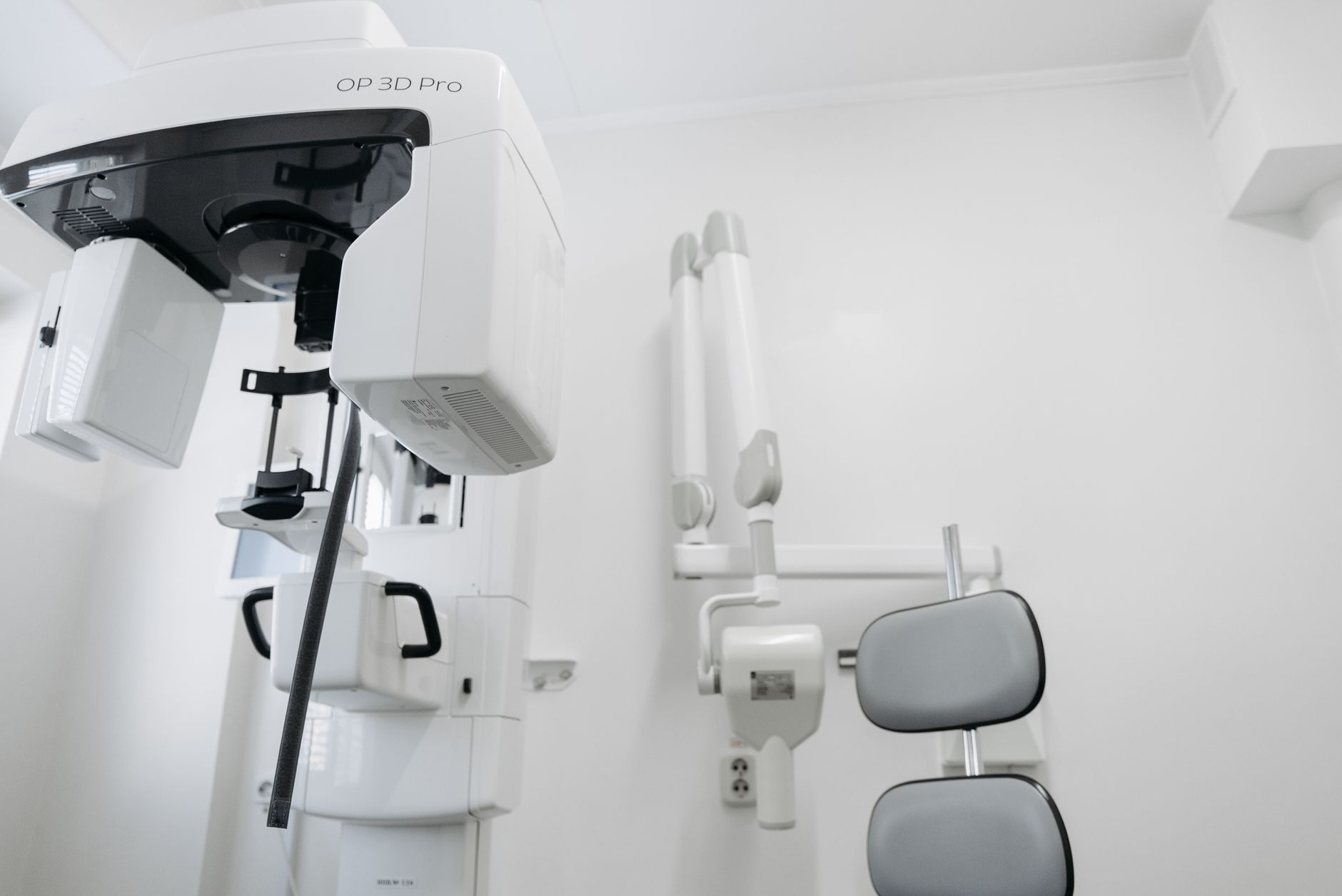
In a move that could redefine surgical precision, PGIMER Chandigarh is poised to adopt Japanese 3D imaging technology, promising to enhance the accuracy and safety of complex surgeries. This cutting-edge technology is expected to transform how surgeons approach intricate procedures, particularly in the field of facial reconstruction and post-traumatic deformities.
The decision to integrate this technology comes on the heels of successful trials and increasing evidence supporting 3D imaging's efficacy in medical procedures. Over the past year, the use of digital exoscopes, which project ultra-high-definition 3D images on large monitors, has become a pivotal tool in surgical theatres worldwide. Japanese developers have been at the forefront of this innovation, moving from traditional optical eyepieces to digital platforms that offer unprecedented clarity and detail.
This development aligns with PGIMER's ongoing commitment to integrating the latest medical technologies to improve patient care. The institute's director, Prof. R K Dhiman, highlighted the potential of such advancements to reduce surgical errors and enhance recovery times. 'Visualisation defines surgical safety,' he noted, underscoring the critical role of advanced imaging in contemporary medical practice.
The planned adoption of Japanese 3D imaging is not an isolated endeavour. It forms part of a broader strategy to incorporate advanced technology across PGIMER's departments. Just last month, the institute inaugurated a state-of-the-art head-and-neck operation theatre equipped with a robotic 3D digital microscope and 4K endoscopy, aiming to streamline procedures and cut waiting times.
While the integration of new technology always comes with challenges, such as training staff and ensuring compatibility with existing systems, the benefits are expected to far outweigh these hurdles. Surgeons at PGIMER anticipate that this innovation will not only enhance surgical outcomes but also set a precedent for hospitals across India to follow suit.
As the medical community continues to embrace digital solutions, PGIMER's initiative may well serve as a blueprint for future advancements in surgical care, promising a new era of precision and patient-centric treatment.