Pioneering DNA Computer Performs Calculations in a Water Droplet
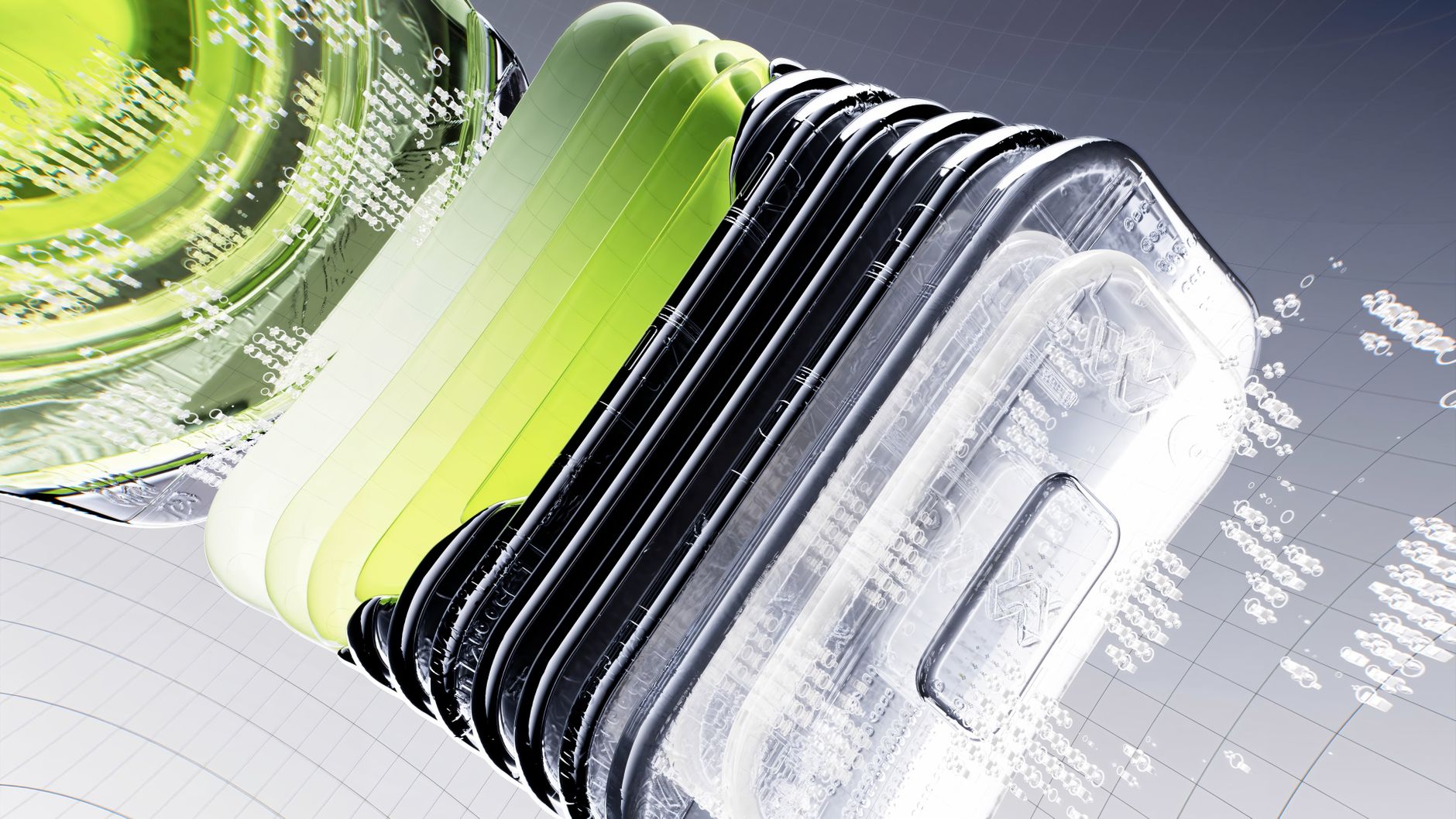
In a laboratory at Maynooth University, a tiny droplet of water is performing feats that were once confined to the realm of science fiction. Here, researchers have developed a DNA computer that utilises molecular reactions to carry out calculations, all within the confines of a saline solution. This breakthrough signifies a promising frontier in computing, where DNA molecules replace silicon chips, potentially reshaping the future of data processing.
The innovative device, published in Nature, operates without electrical power. Instead, it leverages the natural properties of DNA to perform arithmetic and 100-bit calculations. A simple mixture of water, salt, and DNA strands forms the basis of this computer, which can complete up to 25 calculations consecutively. The process is both robust and reusable, illustrating the potential for DNA computing to offer sustainable and efficient alternatives to conventional electronic systems.
At the heart of this technology is a longer DNA scaffold, around which shorter DNA pieces are organised. This structure facilitates complex computational tasks by enabling specific molecular interactions. The researchers' approach is akin to assembling a jigsaw puzzle, where each piece, or molecule, plays a critical role in the overall computation.
A New Paradigm in Computing
DNA computing represents a significant departure from traditional methods. It offers a glimpse into a future where computing is not only significantly miniaturised but also vastly more efficient in terms of energy consumption. The implications for industries ranging from pharmaceuticals to information technology could be profound, enabling computations that are currently impractical with existing technologies.
Despite its promise, DNA computing is in its nascent stages. Challenges remain in scaling this technology and integrating it with existing systems. Yet, the potential applications are vast. From developing new drugs to solving complex logistical problems, DNA computers could provide solutions that are both innovative and environmentally friendly.
As researchers continue to refine this technology, the world watches with bated breath. The prospect of harnessing the power of DNA for everyday computing tasks suggests a future where the boundaries of what is possible are continually redrawn, one droplet at a time.