
Pioneers in Chemistry: Kagan and Soai's Nobel Triumph
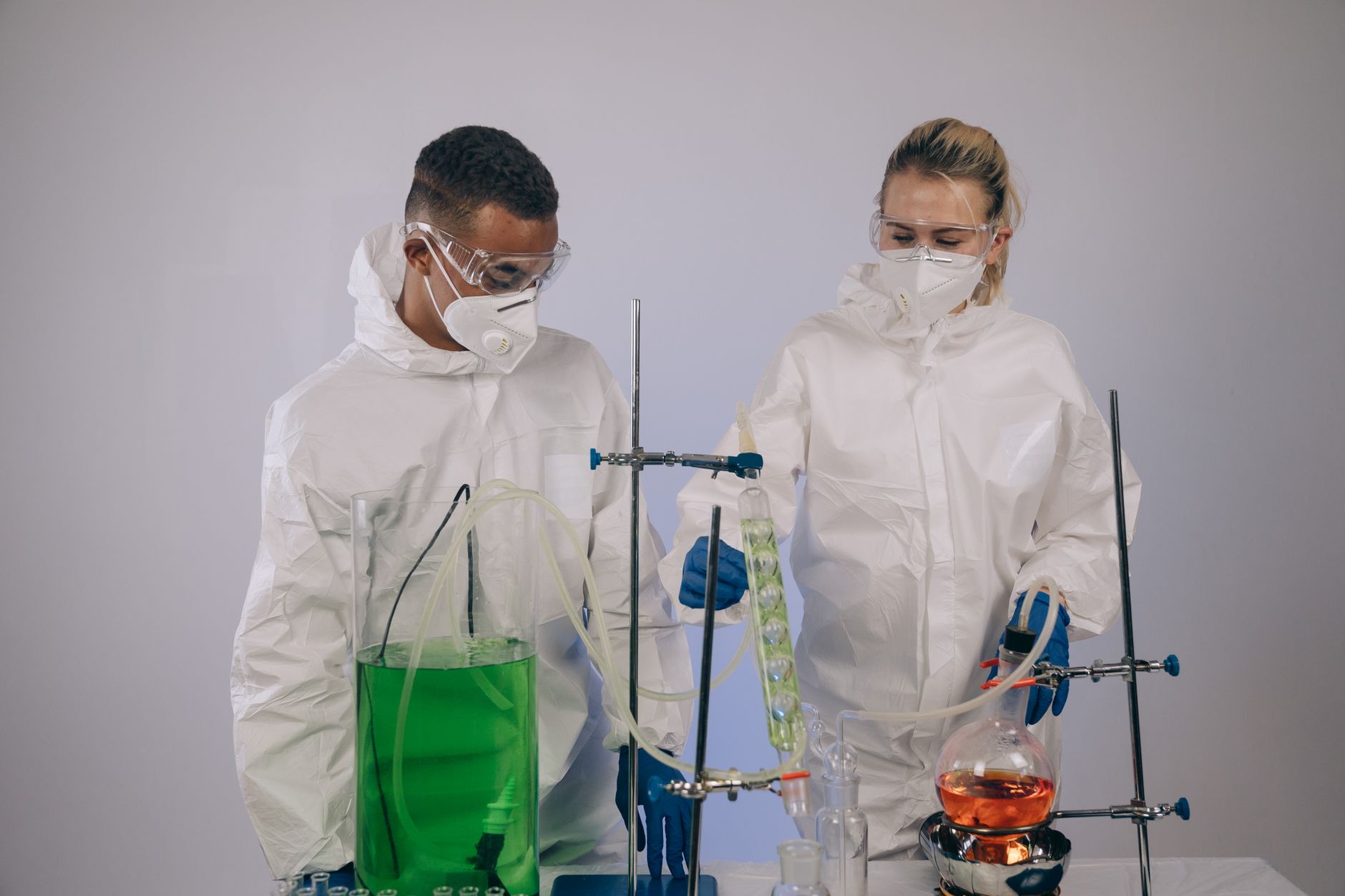
In a striking announcement from Stockholm, the 2026 Nobel Prize in Chemistry has been awarded to Henri B. Kagan of Université Paris-Sud and Kenso Soai of the Tokyo University of Science. Their groundbreaking work on non-linear effects and autocatalysis in asymmetric organic synthesis has paved the way for significant advancements in the field of chemistry, particularly in the pharmaceutical sector.
Their research delves into the complexities of molecular chirality, a concept that describes how molecules with the same chemical formula can exist as mirror images, much like left and right hands. This discovery is not merely academic; it has practical implications that resonate across industries reliant on chemical synthesis.
Implications for the Pharmaceutical Industry
The work of Kagan and Soai has enabled a more precise control over chemical reactions that produce chiral molecules—those that exist in two non-superimposable forms. This is especially crucial in drug development, where the efficacy and safety of a drug can differ dramatically between its chiral forms. By harnessing asymmetric synthesis, chemists can now produce drugs that are more effective and have fewer side effects, ultimately benefiting patients worldwide.
Asymmetric synthesis has been at the forefront of creating enantiomerically pure compounds, which are vital in the creation of pharmaceuticals, agrochemicals, and other complex organic molecules. The ability to influence the directionality of chemical reactions through non-linear effects and autocatalysis represents a leap forward in synthetic chemistry.
A Legacy of Innovation
Henri B. Kagan and Kenso Soai are not newcomers to accolades. Their collaborative efforts have long been recognised in academic circles, but this Nobel Prize cements their legacy as pioneers who have fundamentally altered the landscape of chemical synthesis. The duo's work has not only enriched our understanding of molecular interactions but has also provided tools that chemists will employ for generations to come.
The Nobel Committee's decision not only celebrates the duo's past achievements but also points to a future where asymmetric synthesis could unlock new possibilities in chemistry and beyond. With this recognition, Kagan and Soai join an illustrious list of laureates who have pushed the boundaries of human knowledge and capability.


