PISA 2025: Unearthing AI's Role in Modern Education
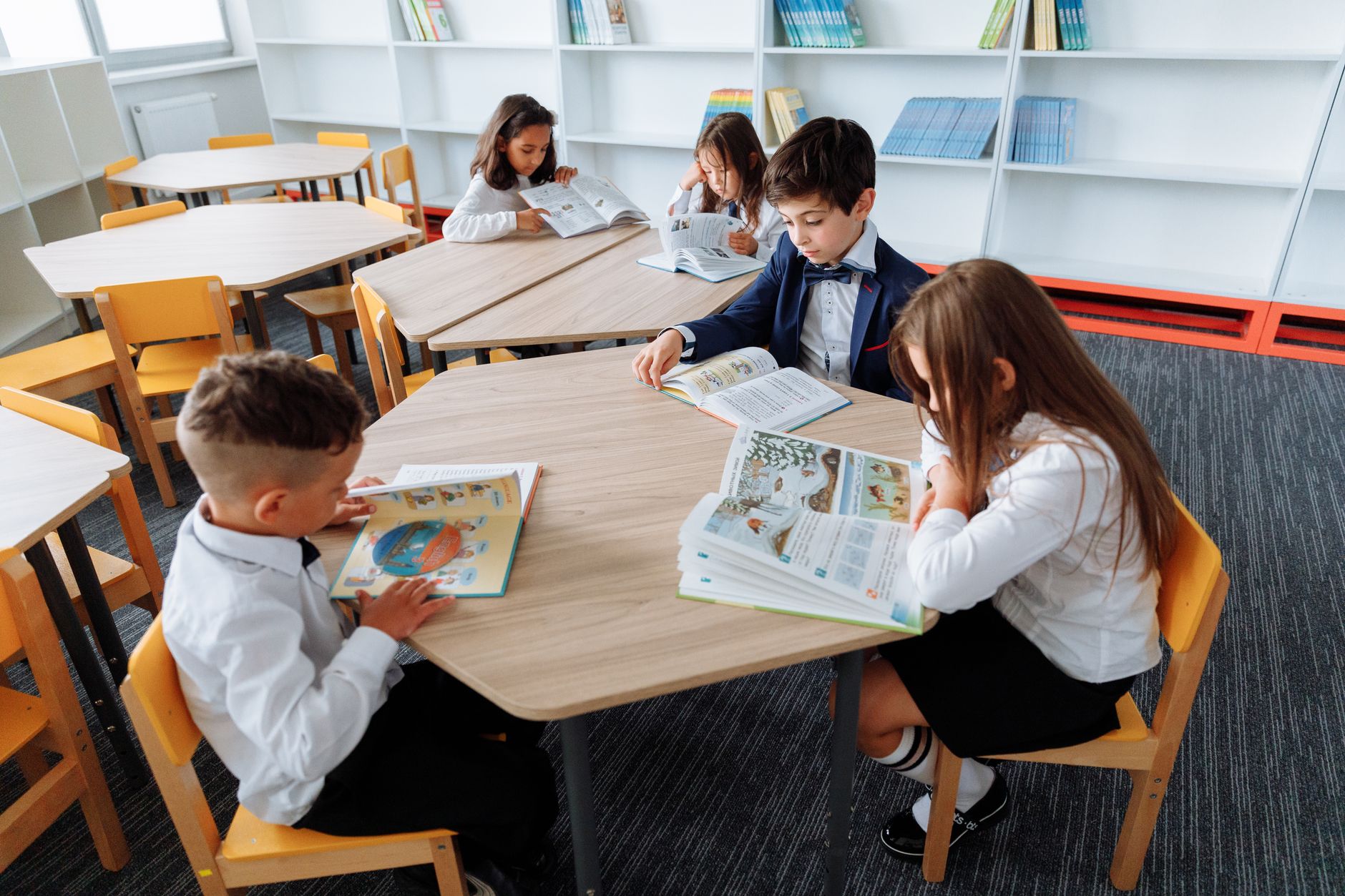
The Programme for International Student Assessment (PISA) 2025 results have once again thrust the spotlight on the pivotal role of Artificial Intelligence in the realm of education. In an era where technology permeates every aspect of our lives, the findings reveal that approximately six out of ten students across OECD countries are now engaging with AI literacy as part of their curriculum.
This statistic is not merely a number; it is a reflection of the shifting educational paradigms worldwide. As AI continues to evolve, the ability of young learners to critically assess AI-generated information becomes increasingly crucial. The question that looms large is whether current educational systems are adequately preparing students for this digital age.
For instance, the PISA results have prompted a fresh wave of concern in Australia, where academic performance has been under scrutiny. Critics argue that despite technological advancements, the education system may not be equipping students with the necessary critical thinking skills to evaluate AI content effectively.
The implications of these findings are far-reaching. As AI becomes more integrated into educational settings, schools must adapt by incorporating AI literacy into their teaching strategies. This involves not just understanding AI's potential but also recognising its limitations and biases. Moreover, educators must be trained to guide students in navigating the complex digital landscape.
AI: A Double-Edged Sword
While AI presents opportunities for personalised learning and innovative teaching methods, it also poses challenges. The risk of misinformation and the need for ethical guidelines in AI deployment are critical issues that educators and policymakers must address.
In Wales, where PISA assessed over 3,400 learners, there is an acknowledgment that the results offer more insight into the education experienced rather than recent initiatives. This suggests a need for long-term strategies rather than quick fixes.
Ultimately, the PISA 2025 findings underscore the urgency of rethinking educational frameworks. As AI continues to shape the future, ensuring that students are not just passive consumers of technology but active, informed participants is paramount. The journey from AI literacy to AI fluency is one that education systems must embark upon, lest they risk being left behind in an increasingly digital world.