Piyush Goyal Urges Japanese Firms to Bolster India Ties with $30 Trillion Vision
In the bustling heart of Tokyo, Union Minister Piyush Goyal set forth an ambitious vision for economic collaboration between India and Japan. Addressing Japanese industry leaders, Goyal painted a picture of a future where India's economy swells to $30 trillion by 2047, urging Japanese firms to significantly enhance their footprint in the Indian market.
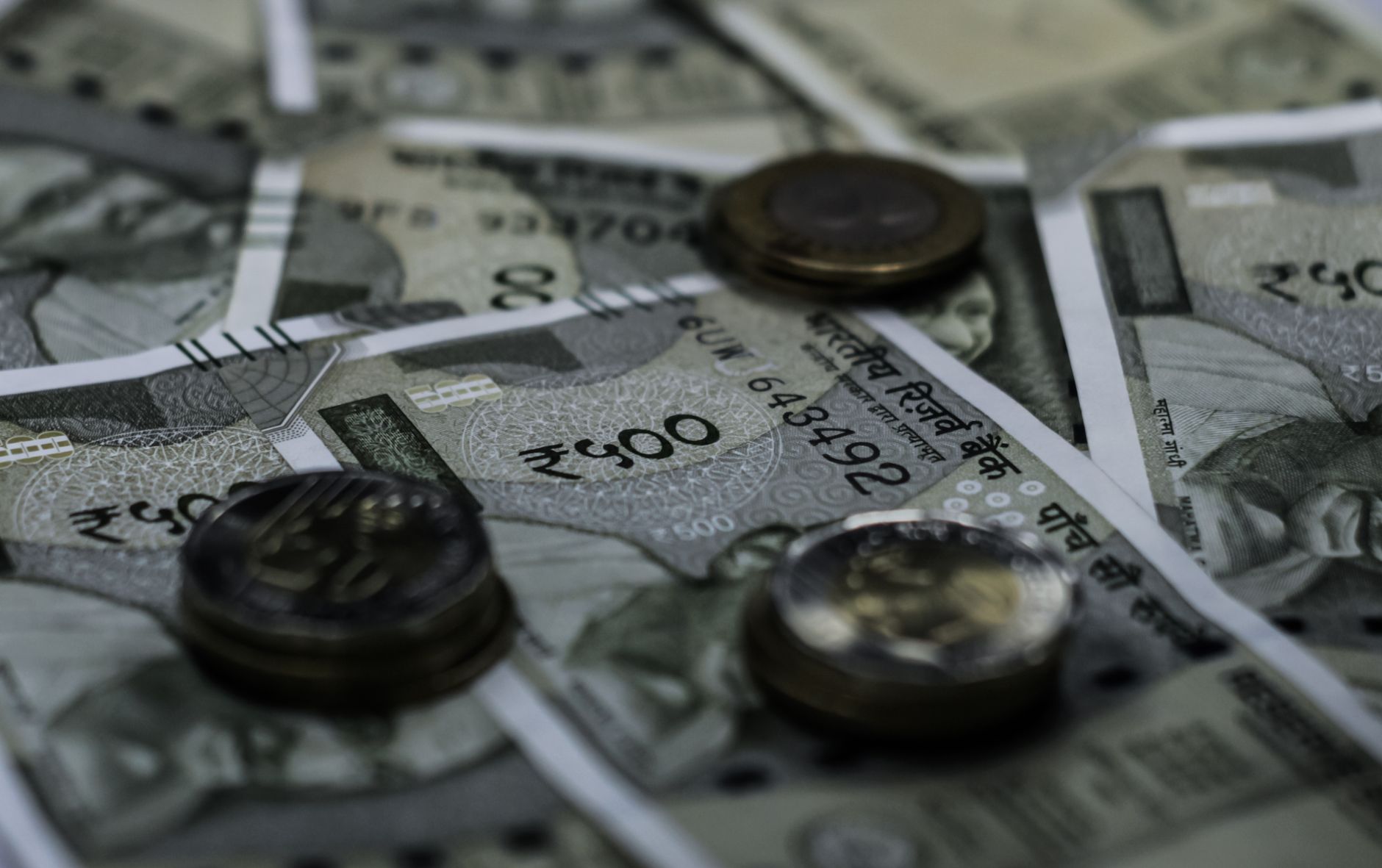
At the roundtable discussion, which included key figures from the capital goods, machinery, and automotive sectors, Goyal underscored the existing trade figures between the two countries. Japanese exports to India stand at $21.43 billion, while Indian exports to Japan lag at $6.04 billion. These numbers, Goyal argued, barely scratch the surface of potential economic synergy.
Envisioning a Shared Future
Goyal's proposition is not merely about boosting numbers. He alluded to successful models such as Suzuki's operations in India, which have seen remarkable growth and market value. "The market cap of Suzuki in India speaks volumes," he noted, suggesting that other Japanese firms could replicate such success by investing in the subcontinent's burgeoning market.
The minister's visit to Japan, accompanied by nearly 200 business delegates, is one of the largest Indian business delegations to the country. This move signifies India's earnest intention to foster deeper ties in areas like infrastructure, energy, and frontier technologies.
Beyond Borders: Opportunities and Challenges
As India sets sights on becoming a $30 trillion economy, the role of Japanese investment is seen as crucial. The proposed doubling of Japanese business presence is not without its challenges, with concerns around regulatory hurdles and market adaptability. However, the potential benefits seem to outweigh the risks, as India offers a vast consumer base and a rapidly improving business climate.
Goyal's visit, marked by high-level meetings and strategic discussions, aims to position India as a prime destination for Japanese investment. The message is clear: the future of Indo-Japanese relations lies in robust business partnerships and shared economic aspirations.